
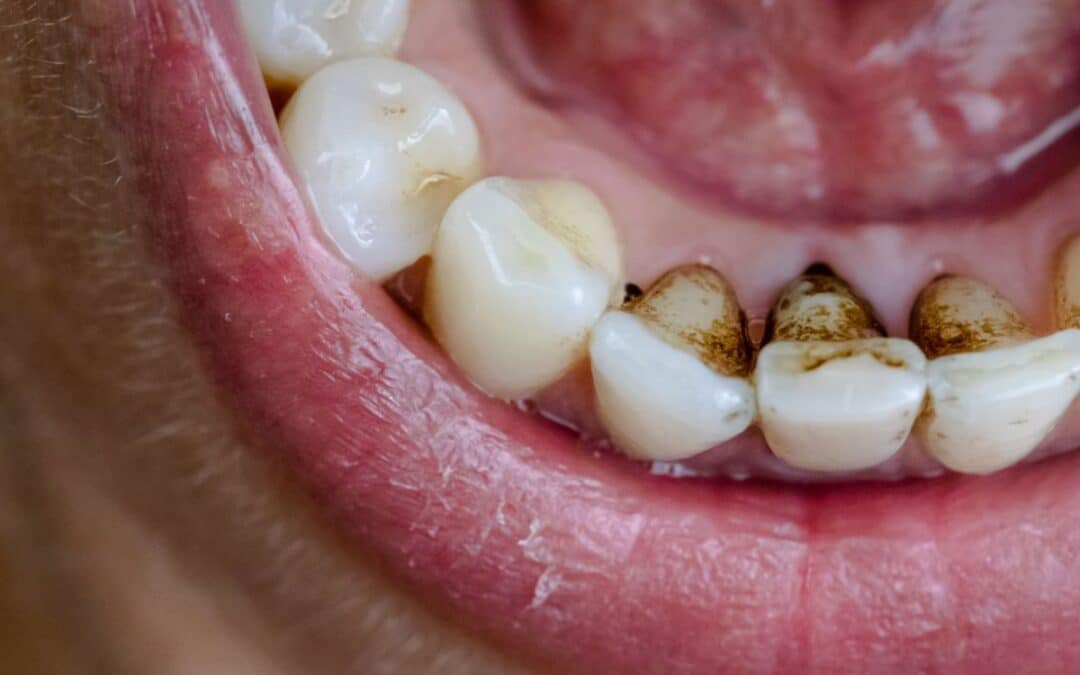
Have you ever noticed brown stains on your teeth and wondered where they came from? Many people experience discoloration over time, often from everyday habits like drinking coffee, tea, soda, or enjoying richly flavored foods. Tobacco use, inconsistent brushing, and certain beverages can also leave stains that slowly dull the natural brightness of your smile.
Around Shreveport and Bossier City, social life often revolves around gatherings, festivals, and nights out with friends. Whether you’re walking along the Red River, enjoying Mudbug Madness, or heading to a show at Horseshoe Casino, feeling confident about your smile can make those moments even better.
What many people don’t realize is that tooth discoloration is extremely common. According to the American Academy of Cosmetic Dentistry, over 90% of adults want whiter teeth, and staining is among the most common concerns dentists address. Fortunately, several natural approaches can help reduce mild staining while protecting your enamel.
How To Remove Tooth Stains From Teeth Naturally?
Brown stains on teeth can sometimes be reduced using gentle home remedies such as baking soda brushing, hydrogen peroxide rinses, and improved oral hygiene habits. However, deeper stains often require professional dental cleaning or whitening treatments for safe and effective results.
What Causes Brown Stains On Teeth?
Understanding the cause is the first step toward improving tooth color. In most cases, discoloration develops when food and beverage pigments attach to the enamel.
Common causes include:
- Frequent coffee, tea, or soda consumption
- Tobacco use
- Poor brushing habits
- Certain medications
- Aging enamel that becomes thinner
Here’s something many people don’t know: enamel is slightly porous. This means pigments from foods and drinks can settle into microscopic grooves on the tooth surface. Over time, these pigments accumulate, forming darker spots.
This is why many people search online for how to safely remove brown stains from teeth at home when they first notice discoloration.
What Are The Types Of Tooth Stains You Might Be Dealing With?
Many people assume all stains are the same, but dentists categorize them into two different types:
- Extrinsic Stains
These appear on the outer enamel surface and are usually caused by coffee, tea, wine, or smoking. They are the easiest to treat with professional cleanings or whitening.
- Intrinsic Stains
These occur beneath the enamel and may be caused by medications, trauma, or aging. Natural remedies typically do not effectively treat intrinsic stains.
What Are The Natural Ways To Reduce Brown Stains At Home?
If discoloration is mild, a few simple home practices may help improve the appearance of your teeth. These methods should always be used gently to avoid damaging enamel.
1. Baking Soda Brushing
Baking soda acts as a mild abrasive that can help polish the enamel surface. Brushing occasionally with a small amount of baking soda may help reduce surface discoloration caused by coffee or tea.
2. Hydrogen Peroxide Rinse
Hydrogen peroxide has mild whitening properties and can help reduce bacteria in the mouth. Using a diluted rinse occasionally may support brighter enamel when combined with proper oral hygiene.
3. Oil Pulling
Oil pulling involves swishing coconut oil in the mouth for several minutes. Some people use this technique to reduce oral bacteria and support cleaner teeth. It works best alongside brushing and flossing.
Habits That Help Prevent Future Tooth Staining
While natural remedies may improve mild discoloration, daily habits play a bigger role in preventing stains. Simple lifestyle changes can protect your enamel and maintain a brighter smile:
- Brush twice daily using fluoride toothpaste.
- Floss daily to remove plaque between teeth.
- Rinse your mouth after drinking coffee or tea.
- Use a straw when drinking dark beverages.
- Avoid tobacco products.
Preventive habits are often more effective than trying to correct heavy staining later.
When Should You Seek Professional Dental Care?
Some stains cannot be treated with home remedies alone. Deeper discoloration can occur beneath the enamel and may require professional dental treatment. A dentist can evaluate the type of staining and determine the most effective solution.
Professional approaches often include polishing procedures that remove stubborn plaque and surface stains. If discoloration is severe, specialized teeth whitening solutions are usually recommended.
How Professional Cleanings Improve Tooth Appearance?
Professional cleanings play a major role in improving the appearance of your smile. During your visit to our dental office, our dental professionals will thoroughly evaluate your concerns. Then, the process will continue by removing hardened plaque and tartar that regular brushing cannot eliminate. They also polish the enamel surface, helping reduce surface stains caused by everyday foods and beverages.
Benefits of professional cleanings include:
- Brighter smile appearance.
- Healthier gums.
- Reduced plaque buildup.
- Early detection of oral health issues.
A Brighter Smile Starts With The Right Care
Tooth discoloration is common, but it does not have to affect your confidence. Natural methods may help reduce mild staining, while professional care offers reliable solutions for more severe discoloration. Healthy habits combined with our dental guidance can help protect your smile for a lifetime. If you are concerned about tooth discoloration, book an appointment with Dr. Chris A. Mott DDS to explore safe options for a healthier, brighter smile.
Frequently Asked Questions
Q. Can tartar cause brown stains on teeth?
At times, tartar buildup can trap food and drink pigments, leading to brown discoloration. Once tartar forms, it cannot be removed by brushing alone and usually requires professional dental cleaning.
Q. Why do my teeth turn brown even if I brush regularly?
Brushing helps control plaque, but some stains develop from deeply pigmented foods, tobacco, or enamel thinning. These stains may settle into enamel pores and gradually darken over time.
Q. Can certain foods make teeth turn brown?
Yes, foods and beverages with strong pigments, such as coffee, tea, cola, soy sauce, and berries, can contribute to staining. Frequent exposure allows these pigments to accumulate on the enamel surface.
Q. Does enamel wear make stains appear darker?
Yes, as enamel thins with age or from acidic foods, the darker dentin layer underneath becomes more visible. This can make teeth appear yellowish or brown, even without heavy staining.
Q. Can mouthwash help prevent brown stains on teeth?
Some antibacterial mouthwashes help reduce plaque buildup, which may limit staining over time. However, maintaining proper brushing, flossing, and regular dental visits remains the most effective way to prevent discoloration.