
Losing one or more teeth does more than change your smile—it alters how you chew, speak, and carry yourself through the day. That gap can quietly chip away at your confidence and comfort, affecting both function and self‑image. Partial dentures offer a thoughtful solution: restoring appearance while bringing back natural biting and speaking ability. Many patients wonder how these removable appliances stay secure enough for real‑life moments.
The answer lies in how they are anchored to your remaining teeth and shaped to your unique mouth. With modern materials and techniques, today’s partial dentures are designed to feel stable, comfortable, and remarkably natural.
What Are Partial Dentures?
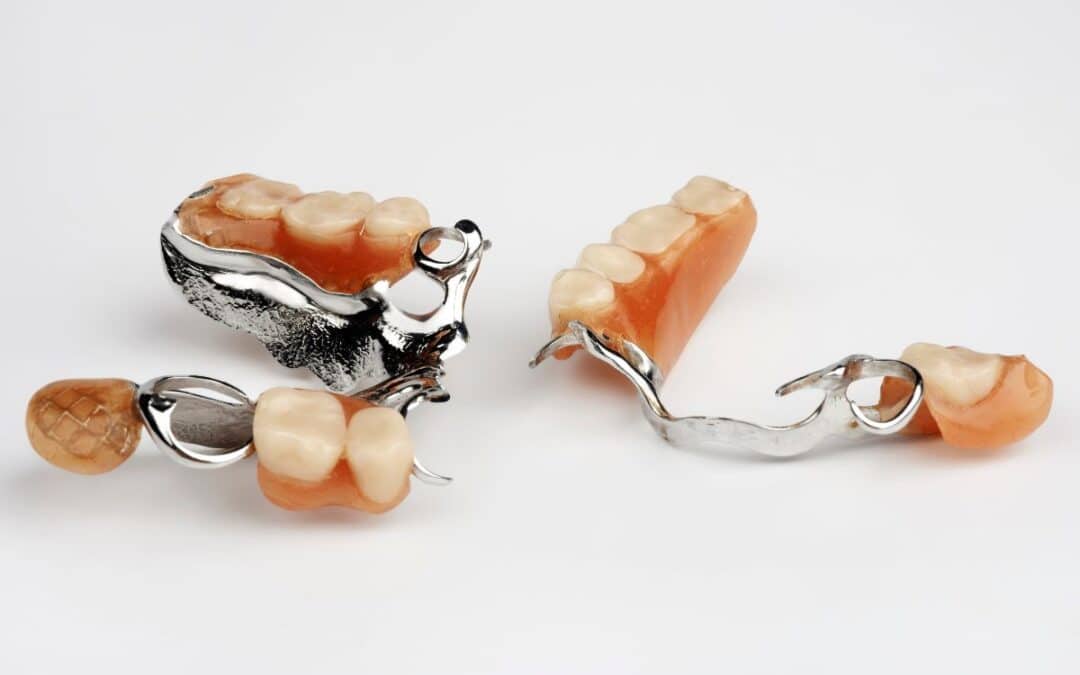
These dental appliances are made to replace missing teeth while also helping to support the surrounding natural teeth. Unlike full dentures, which replace an entire set of teeth, these are used when you have one or more natural teeth remaining. They consist of replacement teeth attached to a gum-colored base, usually made of acrylic or metal. The goal is to restore both the functionality of your mouth and the aesthetics of your smile, all while ensuring comfort and stability.
How To Choose The Right Dental Plates For Your Needs?
Not all dental plates are created equal. The right type for you will depend on the number of missing teeth, the condition of your remaining teeth, and your lifestyle preferences. A dental care provider will help you decide between a metal and a plastic frame. The key to selecting the right one lies in balancing comfort, functionality, and aesthetics. Whether you’re looking for a more discreet look or a sturdy design, they will help you find the best solution.
How Do Removable Partial Dentures Stay In Place Without Slipping?
The stability of these partials comes down to a combination of design, material, and careful fitting. Several key features ensure that they stay securely in place:
1. Precision Fit
The most important factor is the fit of the dentures. When you visit our dental office, our dentist will take detailed impressions of your mouth to ensure the appliance is custom-made to match the contours of your gums and remaining teeth. This precision helps the dentures fit snugly, reducing the chance of slipping.
2. Clasps and Hooks
Most dentures are equipped with metal clasps or hooks that attach to the adjacent natural teeth, anchoring the dentures securely in place. These clasps are designed to be discreet and comfortable, but their primary function is to prevent the dentures from shifting.
3. Gum Coverage
The acrylic or gum-colored base of the dental plates also contributes to their stability. The gum-colored base rests along your gums, providing an additional form of support to hold the dentures in place.
4. Soft Reline Or Adjustment
Over time, your mouth changes due to age, weight loss, or the natural shifting of your teeth. This can cause the partials to loosen. However, they can be easily adjusted or relined to maintain a secure fit, ensuring they stay comfortably in place.
5. Proper Care
Regular cleaning and care of your removable partial dentures (RPD) also helps prevent them from slipping. Properly cleaning them helps prevent plaque and food particles from building up, which could affect their fit and comfort.
What To Expect When Wearing RPD?
While dentures are made to be comfortable, it’s important to understand that there may be an adjustment period. Your gums and remaining teeth may need some time to adapt to the new appliance. During the first few days or weeks of wearing your dentures, you might feel slight discomfort or have difficulty speaking or chewing. However, these issues usually resolve once you get used to the dentures.
Common Issues With Flippers And How To Fix Them
While flippers are an excellent solution for many, a few common issues may arise. These include:
- Loose fit – Over time, the shape of your mouth may change, which can cause the dentures to become loose.
- Discomfort – If the dentures are not well-fitted, you may experience gum irritation or pain.
- Difficulty chewing – Certain foods may be more difficult to chew, especially during the adjustment phase.
Do Partial Prostheses Require Special Maintenance?
Yes, like all oral appliances, these also require regular care to ensure they remain in good condition. To keep your RPD in top shape, you should:
- Clean them daily with a soft brush and a mild cleanser to remove food particles and plaque.
- Remove them at night to allow your gums to rest and maintain oral hygiene.
- Visit your dentist regularly to check for any needed adjustments or changes.
Why Is It Important To Seek Professional Care?
For long-term success, it’s essential to work with a trusted dentist to ensure your dental plates fit properly and function effectively. If they are slipping or causing discomfort, the professional can make the necessary adjustments to ensure a more secure, comfortable fit. Additionally, checkups are crucial for monitoring your oral health, preventing gum disease, and ensuring that your dentures remain in optimal condition.
Embrace Your Confidence With A Secure Smile
Whether you’re attending the Denver Greek Festival, enjoying a day at the Cherry Creek Arts Festival, or simply meeting friends, partial dentures can help restore your smile and confidence. The key to success is ensuring that these partials fit securely, feel comfortable, and are properly maintained over time. With professional care, these dentures can function just like your natural teeth, giving you the freedom to eat, speak, and smile without worry. If you’re considering partial dentures or have any dental concerns, don’t hesitate to book an appointment with Dr. Chris A Mott DDS, today. Our team is ready to provide you with the care you deserve and help you achieve the smile you’ve always wanted.
Frequently Asked Questions
1. How long does it take to get used to partial dentures?
It may take a few weeks to adjust to wearing partial dentures. You might experience mild discomfort or pressure, but your mouth will adapt to the new appliance over time.
2. Can partial dentures be repaired if they break?
Yes, dental plates can be repaired if they break, but it’s crucial to visit your dentist immediately. Attempting repairs at home could cause further damage, so professional care is necessary.
3. Are partial dentures comfortable to wear?
When properly fitted, removable partial dentures should be comfortable and stable. However, if discomfort persists, it’s essential to visit your dentist for adjustments to ensure a perfect fit.
4. Can partial dentures improve my ability to eat and speak?
Yes, flippers can significantly improve your ability to chew and speak. By filling in missing gaps, they help restore functionality and support better communication and eating efficiency.
5. How often should I visit the dentist for partial dentures?
It’s essential to visit your dentist regularly for check-ups and adjustments to ensure your dental appliance fits well. Regular visits also help maintain your oral health and prevent any issues with your dentures.