
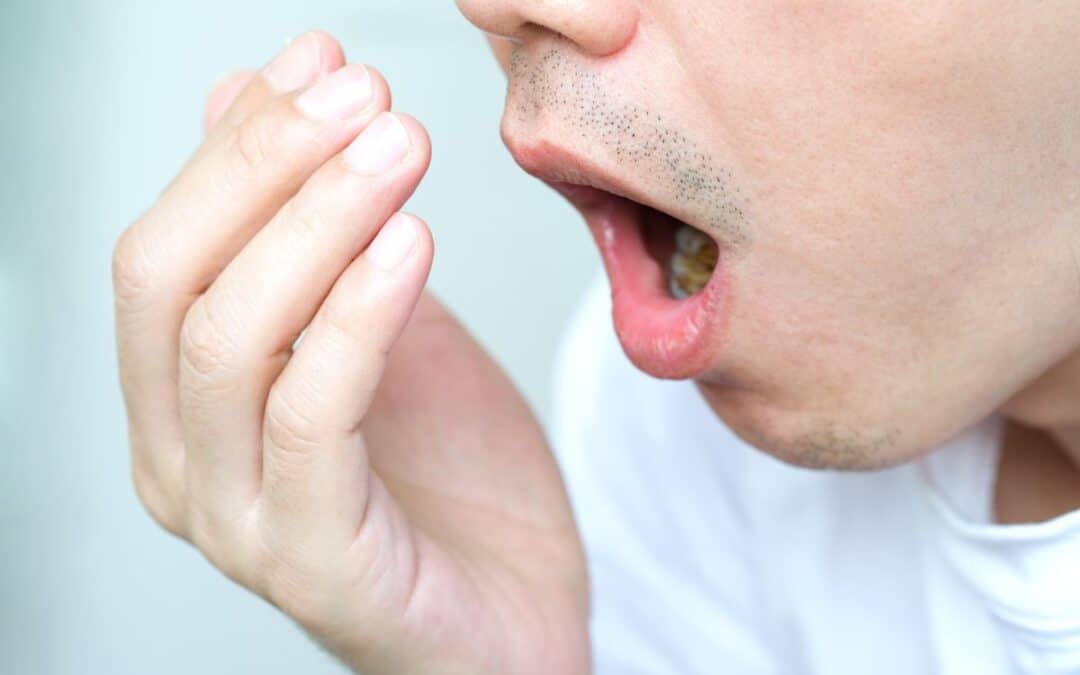
Waking up with stale breath is a universal human experience, but persistent malodor that resists brushing, flossing, and mouthwash is a distinct clinical concern. When bad breath becomes a permanent fixture in your daily life, it ceases to be a minor hygiene inconvenience and becomes an indicator of an underlying oral health issue. Living in a region celebrated for rich, flavorful culinary staples, from garlic-laden gumbos to spicy crawfish boils enjoyed near the Red River, makes it easy to blame last night’s dinner. However, when breath odor remains strong days later, food choice is rarely the primary culprit.
Chronic bad breath, known medically as halitosis, affects millions of adults nationwide. It can quietly chip away at your personal confidence, professional interactions, and overall sense of well-being. At Dr. Chris A Mott DDS, our experienced dentist in Shreveport provides precise diagnostic evaluations to identify the biological root causes of persistent malodor. If you are ready to stop masking the problem and achieve true, long-lasting oral freshness, visit our dental office today for personalized, expert dental care.
What Is Chronic Bad Breath (Halitosis)?
Chronic bad breath is a persistent oral malodor caused by the continuous accumulation and metabolic activity of specialized bacteria within the mouth. Unlike temporary food-related odors, chronic halitosis does not resolve with standard tooth brushing, chewing gum, or commercial cosmetic mouthwashes. It is primarily driven by the release of volatile sulfur compounds (VSCs) produced when anaerobic microbes break down proteins in the oral cavity.
While many people assume bad breath originates in the stomach, clinical gastroenterology and dental studies confirm that over 85% to 90% of halitosis cases stem directly from the oral cavity. According to public health data from the Centers for Disease Control and Prevention (CDC), adult oral health conditions like untreated cavities and periodontal disease remain widespread across the nation. These conditions create ideal, oxygen-deprived environments where odor-producing bacteria thrive.
When these anaerobic bacteria digest cellular debris, blood components, and microscopic food residue, they excrete volatile sulfur compounds, specifically hydrogen sulfide, methyl mercaptan, and dimethyl sulfide. These chemical compounds produce distinct, pungent smells akin to rotten eggs or sulfur. Without clinical intervention to disrupt these bacterial colonies, the production of VSCs continues unabated regardless of how many mints you consume.
Key Differences Between Temporary and Chronic Halitosis
Understanding whether your breath issues are transient or chronic is the first step toward effective treatment. The comparison chart below highlights how these two conditions differ across etiology, duration, and management strategies.
|
Feature
|
Temporary Bad Breath (Acute)
|
Chronic Bad Breath (Halitosis)
|
|
Primary Cause
|
Aromatic foods (garlic, onions), morning dryness, tobacco use | Deep bacterial buildup, gum disease, decaying teeth, dry mouth |
|
Duration
|
Lasts a few hours to 24 hours | Persists for weeks, months, or years without targeted treatment |
|
Impact of Mouthwash
|
Temporarily masks odor effectively | Ineffective; provides brief masking without treating the cause |
|
Salivary Flow Role
|
Temporarily reduced during sleep or light dehydration | Chronically diminished or blocked by systemic/medication factors |
|
Required Action
|
Routine brushing, hydration, and natural time passage |
Specialized dental treatment, deep cleaning, and infection control
|
What Are the Primary Causes of Chronic Bad Breath?
Chronic bad breath is primarily caused by microbial accumulation in the deep grooves of the tongue, untreated periodontal disease, structural tooth decay, and chronic dry mouth (xerostomia). These conditions create low-oxygen environments where volatile sulfur-producing bacteria proliferate rapidly.
Periodontal (Gum) Disease
Gingivitis and advanced periodontitis are among the leading catalysts for severe halitosis. As gum disease progresses, the tissue pulls away from the teeth, forming deep periodontal pockets. These dark, oxygen-starved pockets are impossible to reach with a standard toothbrush or dental floss. Anaerobic bacteria multiply inside these spaces, destroying soft tissue and bone while emitting potent sulfur gases. Undergoing targeted dental treatment to clean these deep pockets is essential to eliminate the infection and its accompanying odor.
Deep Tongue Biofilm
The dorsal surface of the human tongue features thousands of tiny papillae, creating a cavernous landscape of micro-fissures. Dead epithelial cells, post-nasal drip, and microscopic food particles collect in these crevices. When sulfur-producing bacteria colonize the back third of the tongue, they form a dense, whitish film that continuously emits foul odors every time you exhale or speak.
Chronic Dry Mouth (Xerostomia)
Saliva is your mouth’s primary natural defense mechanism. It actively rinses away food particles, neutralizes acidic bacterial byproducts, and contains enzymes that keep microbial populations balanced. During hot Southern summers, spending time outdoors around local parks or along the riverfront can trigger mild dehydration, reducing salivary flow. When chronic medical conditions, prescriptions, or habitual mouth-breathing diminish saliva production permanently, dead cells accumulate on the gums and tongue, decomposing rapidly and causing persistent odor.
Defective Restorations and Tooth Decay
Untreated cavities, fractured teeth, cracked fillings, and ill-fitting bridge work act as physical traps for debris. Standard home brushing cannot penetrate leaky restoration margins or deep carious lesions. Over time, trapped organic material decays beneath the surface, feeding bacterial colonies that generate localized, foul-smelling infections.
How Can Your Dentist Help Eliminate Chronic Bad Breath?
A trusted dentist in Shreveport like ours eliminates chronic bad breath by performing detailed clinical diagnostic testing, removing calcified biofilm deposits, and repairing underlying bacterial infections like gum pockets or decay. Professional dental therapies neutralize volatile sulfur compounds by eradicating the microbial ecosystems where they originate.
Comprehensive Diagnostic Evaluations
Eliminating halitosis requires pinpointing its exact origin. During an evaluation, your dental provider performs a thorough periodontal screening to measure tissue depth, checks for hidden decay, and assesses salivary flow rates. Identifying whether the odor stems from localized gum pockets, tongue coating, or restorative defects ensures your treatment plan targets the actual biological trigger rather than wasting time on temporary rinses.
Advanced Periodontal Therapy & Deep Cleaning
When gum disease is the primary source of malodor, routine cleaning is insufficient. Professional scaling and root planing gently remove hardened plaque (calculus) and bacterial toxins from beneath the gumline. By smoothing the root surfaces, your dental team eliminates the microscopic harborages where anaerobic bacteria thrive, allowing gum tissues to heal and attach tightly back to the teeth. Receiving specialized dental treatment tailored to your specific infection level restores long-term tissue health and fresh breath.
Restorative Repair and Salivary Management
If leaky crowns or cavities are trapping food and bacteria, replacing old restorations eliminates those micro-environments completely. For patients suffering from medication-induced xerostomia, your dental practitioner can recommend therapeutic oral rinses, artificial saliva substitutes, or prescription sialogogues to stimulate natural moisture, protecting your teeth and keeping your breath naturally fresh throughout the day.
Daily Habits to Maintain Fresh Breath
- Clean Your Tongue Daily: Use a dedicated metallic or silicone tongue scraper every morning, pulling gently from the back of the tongue forward to strip away anaerobic bacterial film.
- Master Interdental Hygiene: Clean between teeth daily with dental floss or an interdental brush to remove decaying food particles that toothbrushes cannot reach.
- Prioritize Optimal Hydration: Drink plenty of water throughout the day, especially when indulging in heavy, seasoned local dishes at favorite dining spots like Strawn’s Eat Shop or local barbecue venues.
- Choose Alcohol-Free Rinses: Avoid commercial mouthwashes containing high alcohol content, as alcohol dries out oral tissues and accelerates VSC production over time.
- Maintain Professional Checkups: Schedule professional cleanings every six months so your dental hygienist can remove calcified plaque before it transforms into chronic halitosis.
Take the First Step Toward Lasting Fresh Breath
Chronic bad breath is a manageable medical condition, not a personal flaw or something you must live with. Masking persistent odor with mints or scented rinses only delays essential care while allowing underlying oral infections to progress. By addressing the root causes of halitosis, such as subgingival plaque, deep tongue biofilm, or xerostomia, you can restore your oral health and regain your daily confidence.
Our compassionate clinical team is dedicated to helping you achieve a healthy, vibrant smile in a comfortable environment. Visit our dental office today for a comprehensive diagnostic evaluation today.
Don’t let chronic bad breath hold you back from living fully. Book an appointment with our experienced clinical team today for a personalized evaluation!
Frequently Asked Questions
1. Why does my bad breath persist even after I brush my teeth?
Brushing cleans tooth surfaces but cannot reach deep periodontal pockets or micro-fissures on the back of your tongue. Anaerobic bacteria residing in these hidden areas continuously emit sulfur gases despite brushing.
2. Can chronic bad breath be a sign of a serious health issue?
Yes, while most halitosis originates in the mouth, persistent bad breath can occasionally signal medical concerns like sinus infections, gastrointestinal reflux, diabetes, or renal disorders that require professional evaluation.
3. How does dry mouth contribute to chronic bad breath?
Saliva washes away food particles and neutralizes odor-causing bacterial byproducts naturally. When salivary flow drops, dead cells accumulate and decompose rapidly, generating high concentrations of foul-smelling volatile sulfur compounds.
4. Will commercial mouthwash cure my chronic bad breath?
No, commercial mouthwashes merely mask bad breath temporarily with strong fragrances. High-alcohol formulas can actually worsen halitosis by drying out soft tissues and encouraging anaerobic bacterial growth over time.
5. How do dentists diagnose the exact cause of halitosis?
Dentists diagnose halitosis by measuring periodontal pocket depths, evaluating salivary flow, inspecting tooth restorations for leakage, and examining the dorsal tongue surface to locate the precise source of bacterial accumulation.
6. Does tongue scraping really help eliminate bad breath?
Yes, tongue scraping physically removes the dense layer of debris, dead cells, and sulfur-producing anaerobic bacteria trapped on the tongue’s surface, significantly reducing volatile sulfur compound production when done daily.
7. How long does it take to cure chronic bad breath with dental care?
Breath improvement often begins immediately after professional deep cleaning or cavity repair. Complete resolution occurs as your gum tissue heals and you maintain prescribed home care routines over several weeks.