
Losing a tooth, or multiple teeth, can change how you live your daily life. From thinking twice before biting into your favorite crisp apple to feeling a bit self-conscious when laughing out loud with friends, missing teeth impact both your confidence and your oral health. When exploring various tooth replacement options, it is completely natural to look for a solution that feels, functions, and looks just like your natural teeth.
For decades, patients have turned to modern restorative dentistry to bridge the gaps in their smiles. Among all the choices available today, dental implants have quickly become the gold standard. But a common question we hear from patients walking into our clinic is: Are dental implants permanent?
Let’s take an in-depth look at how dental implants work, what makes them so durable, what you can expect throughout the restoration process, and how you can care for your new smile for decades to come.
Understanding Dental Implants: The Gold Standard of Tooth Replacement
To understand longevity, it helps to look at what a dental implant actually is. Unlike traditional dentures or dental bridges—which rest on top of the gums or rely on neighboring teeth for support—a dental implant replaces the entire structure of the tooth, right down to the root.
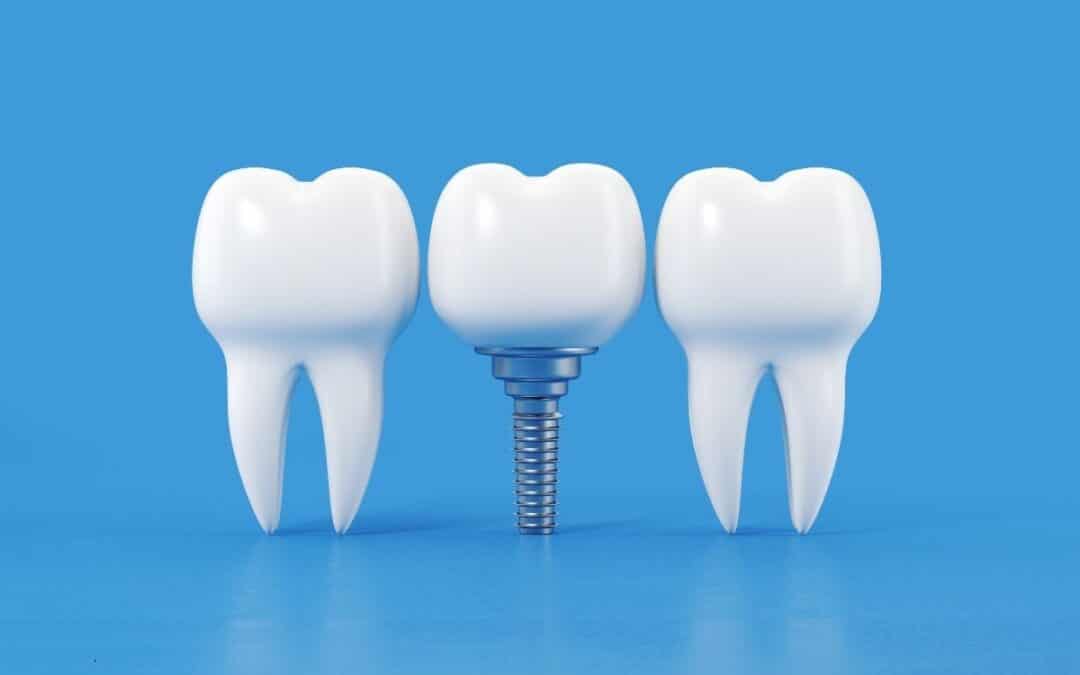
An implant consists of three main components:
- The Implant Fixture (Post): A tiny, biocompatible titanium or zirconia screw that an experienced implant dentist surgically places into your jawbone.
- The Abutment: A small connector piece that sits on top of the post, just above the gumline, holding the final restoration in place.
- The Restoration (Crown, Bridge, or Denture): The custom-crafted artificial tooth (or teeth) that is visible when you smile.
The magic behind the permanence of dental implants lies in a natural biological process called osseointegration. Over a span of a few months, your living jawbone fuses directly to the titanium post. This creates a rock-solid, artificial root anchor that mimics the stability of a natural tooth root.
So, Are Dental Implants Truly Permanent?
The short answer is yes, dental implants are designed to be a permanent, lifelong solution. Because the implant post fuses with your jawbone, it becomes a permanent part of your anatomy. Statistically, dental implants boast a phenomenal success rate of over 95%, making them one of the most reliable procedures in modern medicine.
However, it is helpful to make an important distinction between the implant post and the visible crown:
- The Implant Post: Once osseointegration successfully occurs, the post almost never fails and typically lasts a lifetime.
- The Visible Restoration (Crown): While the titanium root is permanent, the crown on top experiences normal daily wear and tear from chewing and speaking. On average, a dental crown lasts anywhere from 10 to 15 years (or longer with exceptional care) before it might need minor adjustment or replacement.
While nothing in medicine is guaranteed for life without proper maintenance, treating your implants with the same care as your natural teeth gives them the best possible chance of lasting forever.
What to Expect: Your Dental Implant Journey
If you are considering reclaiming your complete smile, knowing what lies ahead can ease any anxieties. The implant process is a journey of restoration, precision, and patience. Here is a step-by-step look at what you can expect when you begin your treatment.
1. The Comprehensive Consultation
Every successful smile transformation starts with a thorough evaluation. During your initial visit, your dental care team will review your medical and dental history, take digital imaging or 3D scans of your jaw, and check your bone density. This step ensures that you are a good candidate for implants and allows for a customized treatment plan tailored specifically to your mouth.
2. Preparation and Bone Grafting (If Needed)
Because implants rely heavily on surrounding bone for support, your jawbone needs to be strong enough to hold the post. If you have experienced bone loss due to a missing tooth that was left empty for a long time, a minor bone grafting procedure may be recommended first to build up the area.
3. Placing the Implant Post
Once your jaw is ready, the minor surgical placement of the titanium post takes place. Local anesthesia ensures you stay completely comfortable and pain-free throughout the procedure. After placement, the healing phase begins. Over the next 3 to 6 months, your bone heals tightly around the post, creating that sturdy foundation we talked about earlier.
4. Abutment and Custom Crown Placement
Once the site is fully healed and integrated, an abutment is attached to the post. Next, impressions or digital scans are taken so a dental lab can craft a custom crown that matches the exact color, shape, and size of your surrounding teeth. Once ready, the crown is secured securely onto the abutment, completing your transformation.
Why Choose Dental Implants Over Other Options?
While traditional bridges and removable dentures have their place in dentistry, implants offer distinct long-term advantages:
- Bone Health Preservation: When you lose a tooth, the underlying jawbone begins to resorb (shrink) because it lacks stimulation. Implants act like natural roots, providing the stimulation necessary to keep your jawbone strong and prevent the sunken-cheek appearance often associated with missing teeth.
- No Impact on Neighboring Teeth: Traditional bridges require shaving down healthy adjacent teeth to anchor the bridge. Implants stand entirely on their own, leaving your healthy teeth completely untouched.
- Unmatched Stability: Say goodbye to slipping dentures, messy adhesives, or food particles getting trapped underneath removable appliances. Implants let you eat, speak, and smile with absolute confidence.
How to Care for Your Permanent Implants
Even though artificial teeth cannot get cavities, the gum tissues and bone surrounding them still require diligent care to remain healthy. Failing to maintain good hygiene can lead to peri-implantitis—a form of gum disease that can compromise the bone supporting the implant.
Protecting your investment is simple:
- Brush and Floss Daily: Treat your implants just like natural teeth. Brush twice a day and floss daily (or use specialized interdental brushes) to remove plaque buildup.
- Keep Regular Dental Checkups: Routine professional cleanings and examinations allow your dental team to monitor your bite, gum health, and the condition of the crown.
- Avoid Damaging Habits: Refrain from using your teeth as tools to open packages, bite fingernails, or chew ice, which can chip the restoration.
Take the Next Step Toward Your Dream Smile
Are you ready to leave missing teeth in the past and step into a future filled with uninhibited smiles, comfortable chewing, and total confidence? You don’t have to navigate your tooth replacement options alone.
Experience compassionate, expert dental care tailored to your unique needs. We invite you to visit our dental office and discover how modern restorative solutions can change your life.
If you are ready to get started, book an appointment with Dr. Chris A. Mott, DDS, today and let our friendly team help you achieve the healthy, beautiful smile you deserve!
Frequently Asked Questions
1. Does the dental implant procedure hurt?
Most patients report feeling surprisingly little discomfort during the procedure. Because local anesthesia is used to numb the treatment area completely, you won’t feel pain while the implant is placed. Mild soreness or swelling is normal for a few days following surgery, but it is easily managed with over-the-counter pain relievers and cold compresses.
2. Am I too old to get dental implants?
Age is rarely a limiting factor for dental implants. Overall health and adequate bone density matter much more than your age. Many older adults successfully receive dental implants, greatly improving their daily comfort, nutrition, and quality of life.
3. How long does the entire implant process take?
Because healing and bone integration take time, the entire process can span anywhere from 3 to 9 months, depending on your individual healing speed and whether you need preliminary procedures like bone grafting. While it requires patience, the lifelong outcome is well worth the wait.