
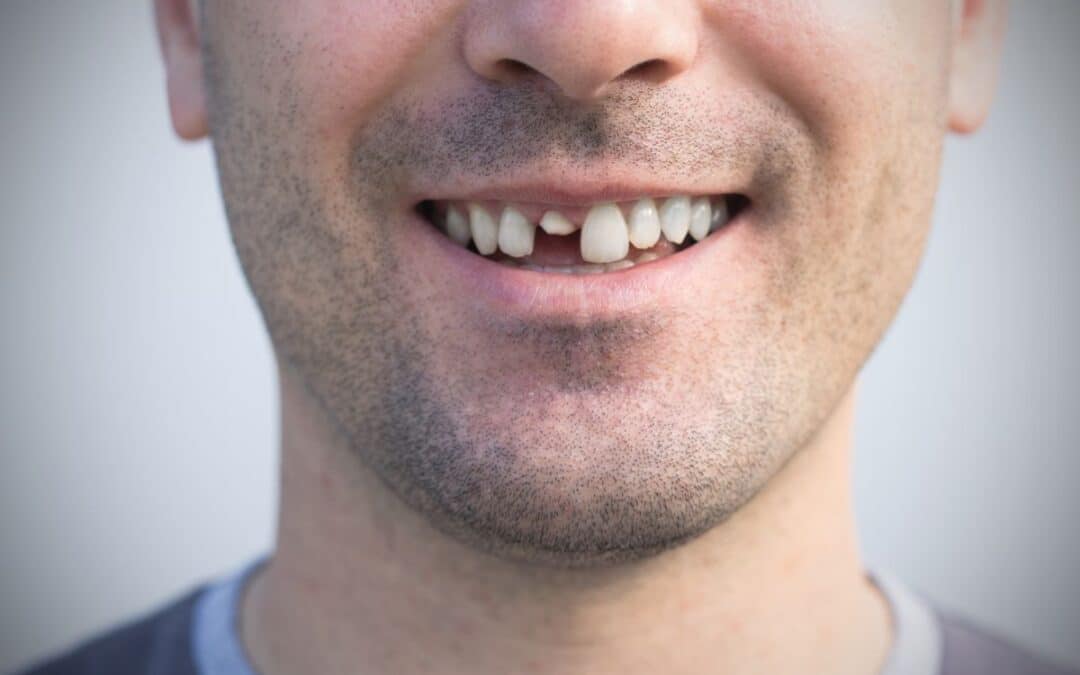
A chipped tooth can happen in an instant. You may bite down on ice, fall during a game, or notice that an old filling has left a tooth weak. Even a small rough edge deserves attention because tooth damage can worsen with pressure, bacteria, and daily chewing.
At Dr. Chris A. Mott, DDS, Dr. Mott helps patients understand the condition of the tooth and the next practical step. If you are looking for a trusted dentist, prompt care can protect your comfort, function, and smile.
What Should You Do When You Chip or Break a Tooth?
First, stay calm and protect the area. Do not chew on the damaged side. Rinse gently with warm water to clear away debris, and apply a cold compress to the outside of the cheek if there is swelling. If you can find a broken piece of tooth, place it in milk or saliva and bring it with you.
Call for prompt care if you have severe pain, bleeding that does not stop, swelling, a loose tooth, or a tooth that has been knocked out. A dentist can examine the break, take X-rays when needed, and determine whether the enamel, dentin, or inner pulp has been affected.
Why Do Teeth Become Chipped, Broken, or Damaged?
Tooth damage has many causes. Some are sudden, while others develop slowly over time.
Common causes include:
- Biting hard foods, ice, hard candy, or nonfood objects
- Falls, sports injuries, or other facial trauma
- Cavities that weaken the tooth from the inside
- Worn or failing fillings
- Teeth grinding or clenching during sleep
- Large fillings that leave thin tooth walls
- Uneven bite pressure
- Using teeth to open packages
A crack may not always be visible. Pain when biting, sensitivity to hot or cold foods, a sharp edge, or intermittent discomfort can all signal a problem. A dentist in Shreveport can identify the depth of damage before it becomes more difficult to repair.
How Is a Damaged Tooth Evaluated?
The first goal is to save as much healthy tooth structure as possible. During an examination, the dental team checks the size and location of the chip or fracture, the condition of the surrounding gums, your bite, and whether the tooth nerve is irritated or infected.
A dentist may use X-rays and bite testing to detect damage beneath the surface. This step matters because a tiny chip and a deep crack can look similar from the outside but need very different care.
Treatment Options for Broken and Chipped Teeth
The right broken tooth repair depends on how much of the tooth remains and whether the damage reaches the nerve.
Smoothing or Recontouring
A very small chip may only need gentle smoothing and polishing. This removes a rough edge that could irritate the tongue or cheek and helps restore a more natural feel.
Tooth-Colored Bonding and Fillings
Dental bonding uses composite resin to rebuild small chips, worn edges, and minor fractures. The material is shaped to blend with the tooth and hardened with a curing light. It can also be used as a tooth-colored filling when decay or an old filling has damaged part of the tooth.
Veneers and Laminates
A veneer or laminate may be considered for a visible front tooth with a larger chip, uneven edge, or cosmetic concern. This restoration covers the front surface and can improve the tooth’s shape and appearance while preserving a natural-looking smile.
Dental Crowns
When a tooth has a large break, a weakened chewing surface, or significant loss of structure, a dental crown can cover and protect what remains. Crowns help restore biting strength and reduce the risk of further fracture.
Root Canal Treatment
If a crack or fracture reaches the pulp, the tooth may become painful or infected. Root canal treatment removes the damaged tissue inside the tooth, allowing the tooth to be restored, often with a crown afterward.
Extraction and Tooth Replacement
Some fractures extend too far below the gumline to save the tooth. In these cases, removal may be necessary. Tooth replacement options, including dental implants or dentures, can help restore chewing ability and prevent nearby teeth from shifting.
Why Waiting Can Make Tooth Damage Worse
A chipped tooth will not repair itself. A crack can deepen, bacteria can enter the tooth, and an avoidable repair may become a more involved treatment. Early care can also help prevent pain, infection, and changes in how your teeth fit together.
If a damaged tooth is affecting your comfort or confidence, visit our dental office for an evaluation. Addressing the issue now can help you get back to eating, speaking, and smiling without worry.
How to Help Prevent Future Damage
After treatment, simple habits can reduce the chance of another broken tooth:
- Avoid chewing ice, popcorn kernels, and hard candy
- Wear a sports guard during contact activities
- Use an occlusal guard if you grind or clench
- Do not use teeth as tools
- Keep up with hygiene visits so small cavities and worn restorations are found early
- Seek care quickly if a filling, crown, or tooth begins to feel different
Restore Your Smile With Prompt Care in Shreveport
You do not have to live with a sharp, painful, or damaged tooth. Dr. Chris A. Mott, DDS, has provided dental care for more than 30 years and serves Shreveport, Greenwood, Bossier City, Caddo Parish, Hyde Park, and Sibley. If you need a dentist in Shreveport for broken-tooth repair, chipped-tooth treatment, or damaged restoration, book an appointment with us today and take the next step toward a stronger, more comfortable smile.
FAQs
Can a chipped tooth be fixed in one visit?
Many minor chips can be repaired with bonding or smoothing in one visit. Larger fractures may need a crown, veneer, or additional treatment to protect the tooth over time.
Is a broken tooth always painful?
No. Some cracks cause little or no pain at first. Even without discomfort, damage can expose the tooth to further fracture or bacteria, so an evaluation is still important.
Can I use a temporary repair kit from the store?
Temporary kits may temporarily cover a sharp edge, but they do not address the cause of the damage. A professional evaluation is needed to prevent pain, infection, or worsening fracture.
How do I know if my broken tooth is an emergency?
Seek urgent care for severe pain, swelling, bleeding, a loose tooth, facial trauma, or a knocked-out tooth. These signs may indicate deeper injury that needs prompt treatment.
Will a crown look like a natural tooth?
Modern crowns can be made to blend with neighboring teeth in shape and color. The final material and design depend on the tooth’s location, bite forces, and restoration needs.
Can teeth grinding cause chips and cracks?
Yes. Repeated clenching and grinding place heavy force on teeth and restorations. A protective guard may help reduce this pressure and protect repaired teeth from future damage.