
Do you often feel excessively tired during the day despite getting a full night’s sleep? Does your partner complain about your loud snoring or sudden gasps for air at night? If so, you may be one of the millions of people suffering from sleep apnea. This common sleep disorder can have a significant impact on your daily life and overall health. Fortunately, there are effective treatments available to alleviate its symptoms and improve your quality of life. In this blog post, we will explore five of the best treatment options for sleep apnea that you need to know about!
What is Sleep Apnea?
Sleep apnea is a common sleep disorder that affects many people around the world. It occurs when your breathing is interrupted during sleep, causing you to wake up briefly multiple times throughout the night. There are two main types of sleep apnea: obstructive and central.
Obstructive sleep apnea (OSA) is the most common type and occurs when your airway becomes blocked by relaxed throat muscles or excess tissue in the back of your throat. This can result in loud snoring, gasping for air, and disrupted breathing patterns.
Central sleep apnea (CSA), on the other hand, is less common and occurs when there is a failure in communication between your brain and respiratory system. This can cause pauses in breathing without any apparent blockages or obstructions in your airway.
Sleep apnea can have several negative effects on your daily life such as excessive daytime fatigue, difficulty concentrating, high blood pressure, heart disease, and stroke risk factors among others. Therefore it’s important to seek treatment options that work best for you!
How Sleep Apnea Affects Your Life
Sleep apnea is a sleep disorder that affects millions of people around the world. It occurs when your breathing is interrupted during sleep, causing you to stop breathing for short periods of time. This can happen multiple times throughout the night and can lead to serious health problems if left untreated.
One of the most significant ways that sleep apnea affects your life is by impacting your energy levels. When you have interrupted sleep, you are likely to feel fatigued and sluggish during the day. You may also experience mood swings, irritability, and difficulty concentrating.
Sleep apnea can also affect your physical health in numerous ways. It has been linked to an increased risk of high blood pressure, heart disease, stroke, diabetes, and obesity. This means that getting treatment for sleep apnea is not only essential for improving your quality of life but also for protecting yourself from serious medical conditions.
Having untreated sleep apnea can take a toll on your relationships with loved ones as well. Snoring loudly or gasping for air during the night can disrupt their sleep as well as yours which might cause stress between partners or family members sharing bedrooms.
It’s important to understand how much impact Sleep Apnea could have on someone’s life before exploring potential treatments available out there.
5 Best Treatment Options for Sleep Apnea
For people suffering from sleep apnea, finding effective treatment options is crucial to improve their quality of life. Here are five of the best treatments for sleep apnea that you need to know about.
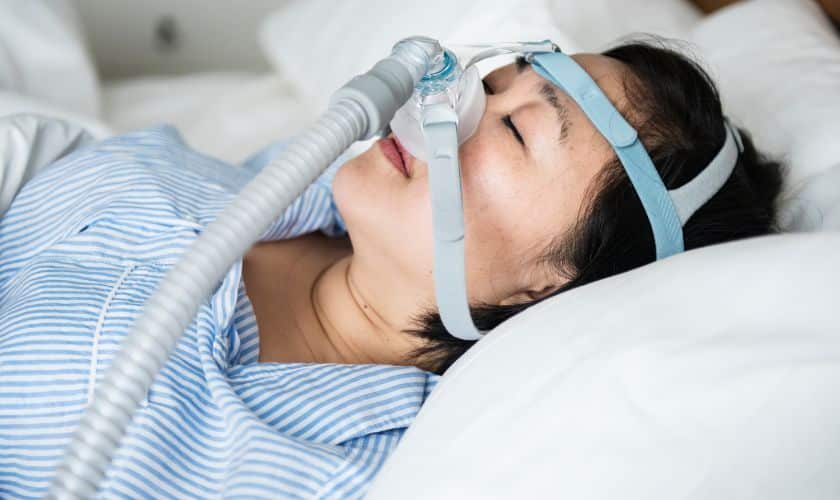
1. Continuous Positive Airway Pressure (CPAP) Therapy: This is one of the most common and effective treatments for sleep apnea. A CPAP machine delivers a constant flow of air through a mask that covers your nose or mouth, keeping your airway open during sleep.
2. Oral Appliances: Oral appliances are a non-invasive and effective treatment option for sleep apnea these devices fit in your mouth like a sports mouthguard, positioning the jaw forward to help keep the airway open while you sleep. There is a tongue-retaining device which is a type of oral appliance used to treat sleep apnea. It holds the tongue in a forward position, preventing it from obstructing the airway during sleep and improving breathing.
3. Weight Loss: Losing weight can significantly reduce symptoms of sleep apnea because excess fat around the neck can block airways and cause breathing difficulties during sleep.
4. Positional Therapy: Sleeping on your back may worsen snoring and obstructive sleep apnea symptoms; positional therapy involves training yourself to avoid sleeping on your back by using special pillows or alarms that vibrate when you roll onto your back during the night.
5. Surgery: For severe cases of obstructive sleep apnea, surgery may be an option where doctors remove tissue from different parts of the throat or nasal passages which cause obstruction while sleeping.
Consult with a qualified healthcare professional before deciding which treatment option is right for you as each person’s response varies depending upon various factors such as age, severity etcetera
Conclusion
Sleep apnea is a serious condition that can lead to various health issues and negatively affect your quality of life. It affects millions of people worldwide, but fortunately, there are several effective treatment options available.
From lifestyle changes such as losing weight and quitting smoking to using continuous positive airway pressure (CPAP) machines or undergoing surgery, there is no shortage of methods for treating sleep apnea. The key is finding the right one that works for you. Don’t let untreated sleep apnea continue to impact your life negatively – take action today!