
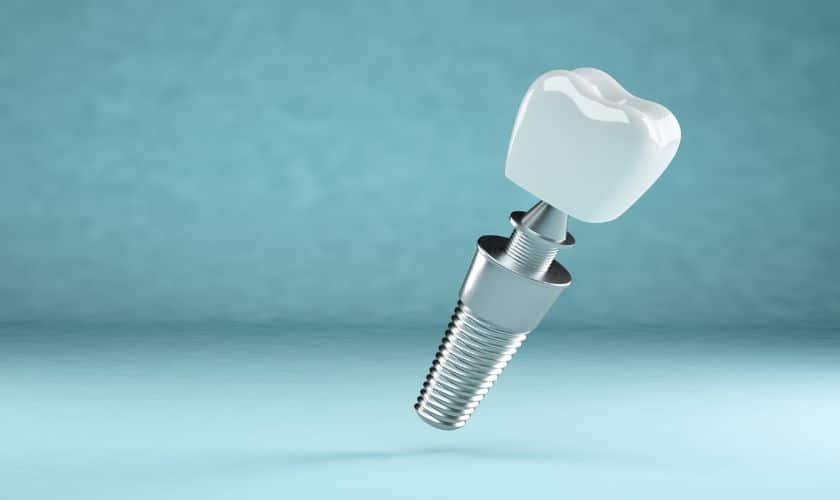
In recent years, advancements in dental technology have revolutionized the field of implant dentistry, making it more accessible and efficient for patients. One such innovation that has significantly contributed to the success of implant procedures is 3D dental imaging. This technology allows dentists to visualize the oral anatomy in three dimensions, providing detailed information that enhances treatment planning and outcomes. In this blog, we’ll explore the role of 3D dental imaging in making implant dentistry more accessible and affordable for patients.
Enhanced Treatment Planning:
Traditional two-dimensional dental X-rays have limitations in accurately assessing the bone structure and anatomy of the jaw. In contrast, 3D dental imaging, such as cone beam computed tomography (CBCT), provides detailed three-dimensional images of the oral and maxillofacial region. This advanced imaging technology allows dentists to:
- Precisely measure bone density and volume.
- Identify anatomical structures such as nerves and sinuses.
- Evaluate the quality and quantity of available bone for implant placement.
By gaining a comprehensive understanding of the patient’s oral anatomy, dentists can develop personalized treatment plans tailored to their unique needs, ensuring the success and longevity of dental implants.
Improved Surgical Precision:
One of the key benefits of 3D dental imaging in implant dentistry is its ability to enhance surgical precision. With detailed three-dimensional images at their disposal, dentists can:
- Virtually plan implant placement in advance, taking into account factors such as bone density, angulation, and proximity to vital structures.
- Simulate the implant surgery using specialized software, allowing for precise positioning and optimal outcomes.
- Minimize the risk of complications such as nerve damage or implant failure by accurately assessing the anatomical landscape.
By incorporating 3D imaging into the surgical workflow, dentists can perform implant procedures with greater confidence and accuracy, resulting in improved patient outcomes and satisfaction.
Reduced Treatment Costs:
While advanced dental technologies often come with associated costs, the long-term benefits of 3D dental imaging in implant dentistry can lead to overall cost savings for patients. By optimizing treatment planning and surgical outcomes, 3D imaging can:
- Minimize the need for additional procedures or revisions, reducing the overall treatment time and associated expenses.
- Enhance the predictability and success rate of implant procedures, reducing the risk of complications and costly revisions.
- Improve the longevity of dental implants, reducing the likelihood of future replacements or repairs.
By streamlining the implant process and maximizing treatment efficiency, 3D dental imaging contributes to making implant dentistry more accessible and affordable for a broader range of patients.
Conclusion:
The role of 3D dental imaging in accessible implant dentistry cannot be overstated. By providing detailed anatomical information, enhancing treatment planning, improving surgical precision, and reducing treatment costs, this advanced imaging technology has transformed the landscape of implant dentistry. Patients can now benefit from more predictable outcomes, reduced risks, and enhanced affordability, making dental implants a viable option for restoring oral health and function.
As 3D dental imaging continues to evolve and become more widely available, the future of implant dentistry looks promising, with even greater accessibility and affordability for patients seeking long-term solutions for missing teeth.