
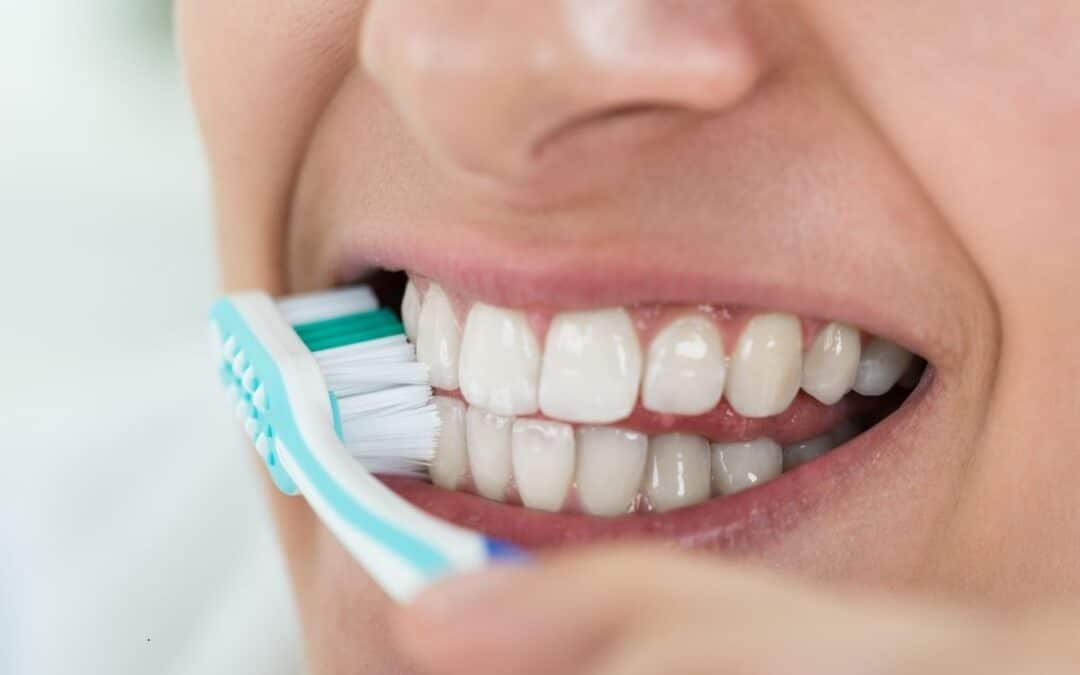
A healthy smile is vital to your overall health. Brushing your teeth regularly is a cornerstone of maintaining healthy teeth and gums. But with so much conflicting information, you might wonder, “How often should I be brushing my teeth?” We believe in empowering patients with knowledge at Dr. Chris A Mott DDS, your trusted dentist in Shreveport. This blog post delves into the optimal frequency of brushing for a healthy, confident smile.
Brushing Basics: The Science Behind Plaque Removal
Brushing your teeth removes plaque, a sticky film that forms on your teeth throughout the day. Plaque harbors bacteria that feed on sugar and produce acid. This acid erodes tooth enamel, leading to cavities and gum disease. Brushing removes plaque before it can harden into tartar (calculus), which requires professional cleaning to remove.
The Ideal Brushing Frequency: Twice a Day is the Standard
The American Dental Association (ADA) recommends brushing your teeth twice a day for at least two minutes each time. Here’s a breakdown of this standard:
- Twice a Day: Brushing twice a day, once in the morning and once before bed, ensures you remove plaque buildup throughout the day. Overnight, saliva production decreases, allowing plaque to build up more readily.
- Two Minutes Per Session: Two minutes might seem like a long time, but it’s necessary to thoroughly clean all tooth surfaces. Consider using a timer or playing a song that lasts two minutes to ensure proper brushing duration.
Beyond the Basics: When Might You Need to Brush More Often?
While twice a day is the gold standard, certain situations might call for additional brushing:
- After Meals and Snacks: If you frequently consume sugary or starchy foods, brushing after meals and snacks can help remove food particles and reduce plaque buildup.
- Dry Mouth: Certain medications or medical conditions can cause dry mouth, reducing saliva’s natural cleansing action. More frequent brushing might be necessary to compensate.
- Orthodontic Appliances: Braces and retainers can trap food particles, increasing the risk of plaque buildup. Brushing after meals and snacks is crucial in this case.
- Morning Breath: Brushing your tongue and rinsing with mouthwash can help combat morning breath caused by bacteria buildup overnight.
The Importance of Technique: Quality Over Quantity
The brushing technique matters just as much as brushing frequency. Here are some key points for effective brushing:
- Use a Soft-Bristled Toothbrush: Soft bristles are gentle on gums while effectively removing plaque.
- Use Fluoride Toothpaste: Fluoride strengthens tooth enamel and helps prevent cavities.
- Brush Gently at an Angle: Use short, gentle strokes at a 45-degree angle to the gum line, brushing the front, back, and chewing surfaces of each tooth.
- Don’t Forget Your Tongue: Brushing your tongue helps remove bacteria that contribute to bad breath.
Keeping Your Smile Healthy: Partner with Your Shreveport Dentist
At Dr. Chris A Mott DDS, we are committed to helping you achieve optimal oral health. Regular dental checkups and cleanings are essential for removing plaque buildup that brushing alone can’t reach. Your dentist in Shreveport can also identify potential problems early on and provide personalized advice on oral hygiene practices.
Brushing for a Lifetime of Smiles
By brushing your teeth twice a day for two minutes each time, using proper technique, and scheduling regular dental checkups, you can maintain a healthy smile for years to come. Remember, a healthy smile not only enhances your appearance but also contributes to overall well-being.
Schedule an appointment with Dr. Chris A Mott DDS today! We offer comprehensive dental care for patients of all ages in the Shreveport area.