
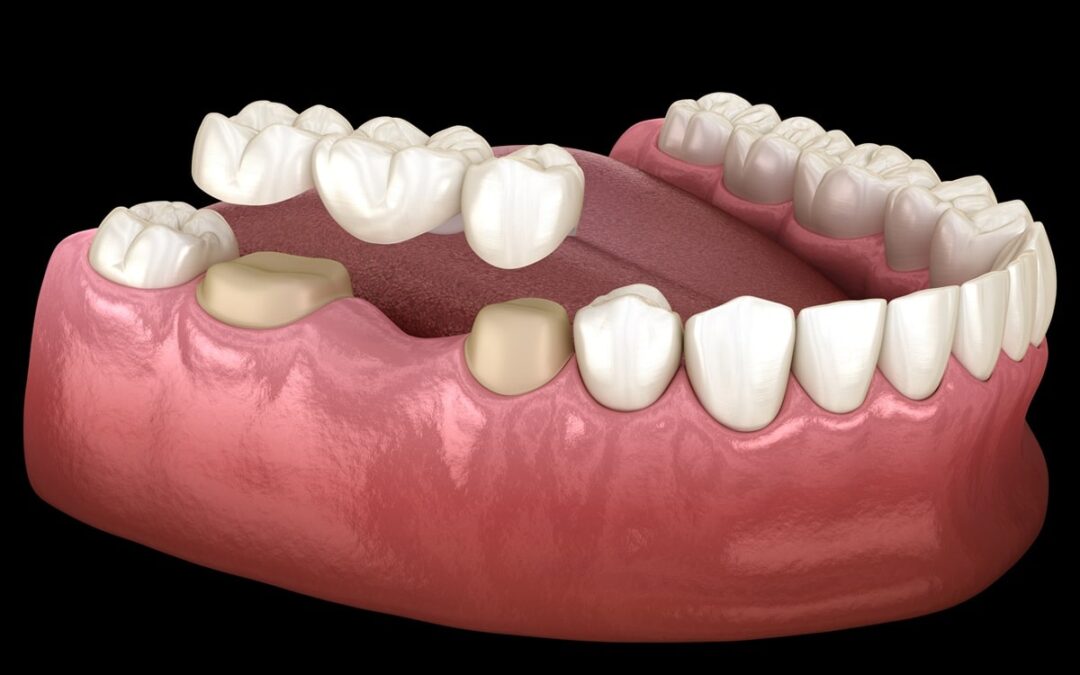
Tooth restoration is a crucial component of maintaining good oral health, particularly when teeth are damaged by decay, wear, or fractures. Traditionally, fillings and crowns have been used to restore teeth; however, a more advanced option is gaining popularity among dentists—onlays.
If you’ve ever wondered why a dentist might recommend onlays for your tooth restoration, you’re not alone. They provide a highly effective, durable, and aesthetically pleasing way to repair and restore teeth that may be beyond simple fillings but don’t require the full coverage of a crown.
This blog will explore what onlays are, their benefits, and why they are often the right choice for restoring your smile.
What Are Onlays and How Do They Work?
They are a type of dental restoration that covers the entire biting surface of a tooth, often extending to one or more cusps (the pointed parts of the tooth). Unlike fillings, which fill in cavities, or crowns that cover an entire tooth, these restorations are designed to be more conservative in their coverage. They provide a perfect balance between fillings and crowns.
Dentists often recommend ceramic tooth fillings when a tooth is too damaged for a simple filling but not so severely damaged that a full crown is necessary. These tooth fillings are custom-made to fit your tooth perfectly, often utilizing advanced materials such as porcelain or composite resin. These materials are not only strong and durable but also blend seamlessly with your natural teeth, resulting in an aesthetically pleasing outcome.
Why Do Dentists Choose Onlays for Tooth Restoration?
There are several reasons why they are becoming the go-to solution for tooth restoration:
1. Durability and Strength
These restorations are highly durable and often last for many years with proper care and maintenance. They are more resilient than traditional fillings and can withstand the forces of chewing and biting. Because onlays cover a larger portion of the tooth’s surface, they provide superior protection against further damage or decay.
2. Conservative Treatment Option
One of the key benefits of these dental restorations is their conservative nature. Unlike crowns, which require the removal of a significant amount of healthy tooth structure, they require minimal tooth reduction. This means more of your natural tooth is preserved, which is ideal for maintaining the tooth’s strength and integrity.
3. Aesthetically Pleasing Results
Onlays are made from materials that can be custom-shaded to match the color of your natural teeth. This makes them an excellent option for those who want a more natural-looking restoration. Unlike silver amalgam fillings, which can be quite noticeable, these fillings are virtually undetectable and blend seamlessly with your smile.
4. Custom Fit for Your Tooth
Because onlays are custom-made for each patient, they fit perfectly on the tooth, ensuring the restoration is both functional and comfortable. The dentist will take an impression of your tooth, which is then sent to a dental lab where the onlay is crafted to match the exact shape of your tooth.
How Long Do Onlays Last?
When properly cared for, these ceramic tooth fillings can last between 10 and 20 years. Their durability and ability to withstand daily wear and tear make them a long-term solution for many patients. Regular dental checkups are essential to ensure that the onlay remains in good condition and the underlying tooth stays healthy.
What Precautions Should You Take After Getting Onlays?
After receiving these restorations, it’s essential to follow your dentist’s aftercare instructions to ensure proper healing and longevity of the restoration. Here are a few things to keep in mind:
- Maintain Good Oral Hygiene: Brush and floss regularly to prevent plaque buildup around the onlay.
- Avoid Hard Foods: While fillings are durable, it’s a good idea to avoid chewing on very hard foods, such as ice or hard candies, to prevent any potential damage.
- Follow-Up Visits: Make sure to attend your follow-up appointments to ensure that your onlay is properly fitted and functioning well.
Restore Your Smile with Onlays
If you’re looking for an effective and long-lasting way to restore your smile, onlays might be the perfect solution for you. They provide a durable, aesthetically pleasing alternative to fillings and crowns, offering a conservative yet highly effective treatment for damaged teeth.
If you’re considering onlays for your dental restoration needs, visit our dental office at Dr. Chris A Mott DDS. Our team is here to provide you with personalized care and answer all of your questions about this advanced dental treatment. Book an appointment today to discover how these tooth restorations can restore both the health and beauty of your smile.
FAQs
1. How are onlays different from fillings?
Onlays are custom-made to fit the entire surface of a tooth, whereas fillings only fill the cavity. Onlays provide more coverage and are ideal for larger areas of damage.
2. Are onlays a permanent solution?
Yes, onlays are durable and can last for many years with proper care, making them a long-term solution for tooth restoration.
3. Can onlays be used for front teeth?
Yes, onlays can be used for both front and back teeth. They are often made from materials like porcelain, making them ideal for use in visible areas because they blend in with natural teeth.
4. Do onlays require a special diet after placement?
It’s recommended to avoid very hard foods immediately after placement to allow the onlay to settle. Regular eating habits can resume after a few days.
5. How long does it take to get onlays placed?
The process typically requires two visits: one to prepare the tooth and take impressions, and another to place the final onlay once it’s been created in a dental lab.
6. Are onlays safe for everyone?
Onlays are generally safe for most patients, but it’s important to discuss any underlying health conditions with your dentist to determine if they’re the right option for you.