
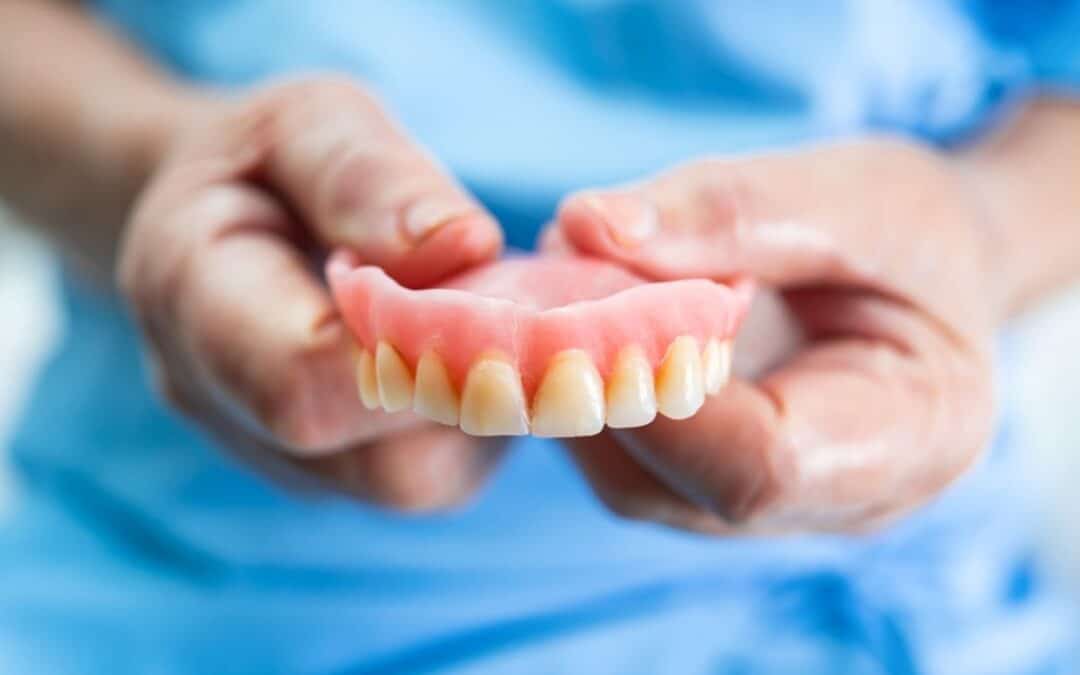
If your dentures have started to emit an unpleasant odor, don’t worry, as this is a common issue, but it is also preventable. Understanding why your false teeth smell and knowing how to address the problem can make a difference in your comfort and confidence. Ready to keep your treatment on track. Read the blog to learn more.
What Causes Dentures To Smell?
Foul odors from dental prosthetics usually stem from food particles and bacteria that accumulate in the small crevices of your appliance. These particles can create a breeding ground for harmful bacteria, leading to unpleasant smells. The issue may also arise from poor cleaning habits, dry mouth, or an ill-fitting appliance that traps bacteria and food debris. Keeping your dental appliance clean is essential, but proper fit and hydration also play important roles in odor prevention.
Prosthetic Hygiene Tips For A Fresh Smile
Maintaining a fresh-smelling denture involves more than just brushing. Here is how to ensure your prosthetic remains odor-free:
- Rinse After Meals: Always remove your dental prosthetics after eating and rinse them with water to clear away food particles.
- Brush Daily: Use a soft-bristled brush and non-abrasive cleaner to scrub all surfaces of your dental appliance. Do not forget to clean the areas where your plates touch your gums.
- Soak Overnight: Soaking them in a cleaning solution or water overnight helps to remove bacteria and prevent odors.
- Clean Your Gums: It is crucial to brush your gums, tongue, and the roof of your mouth to keep your mouth free of odor-causing bacteria.
To prevent the buildup of bacteria and food particles, which are the main causes of odor, follow these prosthetic hygiene tips. In order to keep your dentures fresh and comfortable, you need to take good care of them.
How Dry Mouth Affects Your Dental Prosthetics?
A common cause of the stink is dry mouth. When your mouth produces insufficient saliva, bacteria can thrive and cause odors. Without sufficient moisture, removable teeth also have trouble staying clean, as saliva helps wash away food particles and bacteria. If you suffer from dry mouth, try increasing your water intake, chewing sugar-free gum, or using a saliva substitute. Managing this issue will not only reduce odor but also improve your overall comfort.
The other potential causes can be as follows:
Check The Fit Of Your Removable Teeth
One overlooked cause of denture odor is an improper fit. Loose or poorly fittings can trap food and bacteria, leading to a persistent stink. If your removable teeth do not fit properly, it is time to schedule an appointment with a professional to make adjustments. A proper fit ensures that food particles do not get stuck, and bacteria cannot flourish in hard-to-reach areas. Addressing their fit and odor is essential to providing comfort and easy continuity of your treatment.
Cleaning False Teeth Effectively
One of the most effective ways to prevent odor is to ensure that your oral prosthetics are thoroughly cleaned. Cleaning false teeth effectively requires more than just brushing. It is vital to remove your dentures after meals, rinse them thoroughly to eliminate any loose particles, and brush them using a specialized cleaner or mild soap.
Additionally, consider soaking your dental plates in a denture-cleaning solution to disinfect and freshen them. With the proper routine, you can keep your treatment odor-free and comfortable.
Professional Denture Care For Long-Lasting Freshness
Dealing with denture odor does not have to be a constant struggle. By following proper hygiene practices, staying hydrated, and ensuring your oral prosthetics fit correctly, you can prevent foul odors and keep them comfortable. If you are still experiencing odor despite your best efforts, visit our dental office for a professional assessment. We can evaluate your appliance fit, assess your oral soft‑tissues, and provide targeted care for long‑term comfort.
Having a busy schedule? Book an appointment today. Our caring team at Dr. Chris A Mott DDS is here to help restore confidence in your smile and bring comfort to your routine, at your convenience.
Frequently Asked Questions
1. Why does my oral prosthetic develop a persistent odor even though I clean it daily?
Food debris and bacterial biofilm can accumulate in microscopic gaps along your appliance’s base, both overnight and after meals. Even daily brushing may miss these crevices, so comprehensive cleaning and professional check‑ups are essential.
2. Could my dry mouth be causing my denture plates to smell bad?
Absolutely! When saliva production drops, odor‑causing bacteria thrive in the warm, dark space beneath your prosthetic. Addressing dry mouth and improving hydration helps control bacterial growth and maintain freshness.
3. How much does a poor fit contribute to artificial teeth odor?
Loose or warped dental plates create hidden pockets where food particles and bacteria gather, leading to foul smells and potential infections. Ensuring proper alignment and fit is critical to eliminate odor and protect your soft tissues.
4. I soak my appliance overnight—why does it still stink in the morning?
Soaking removes many surface bacteria, but if you skip cleaning your gums, tongue, or palate, residual plaque can continue to produce odor. Complete hygiene includes both prosthetic care and soft‑tissue treatment.
5. When should I consult a specialist about malodor from dentures?
If the bad breath persists despite rigorous cleaning and fit adjustments, it may signal underlying tissue inflammation or infection that needs professional attention. Early evaluation can prevent more serious complications and restore comfort.