
A confident smile is often the first thing people notice. For many patients, dental implants provide a permanent solution to missing teeth, restoring both appearance and function. They are designed to be durable, but how long do they really last? The answer depends on your oral health, habits, and the care you provide after treatment. With the right approach, implants can serve you well for decades, and possibly for life.
Understanding the Durability of the Implant Procedure
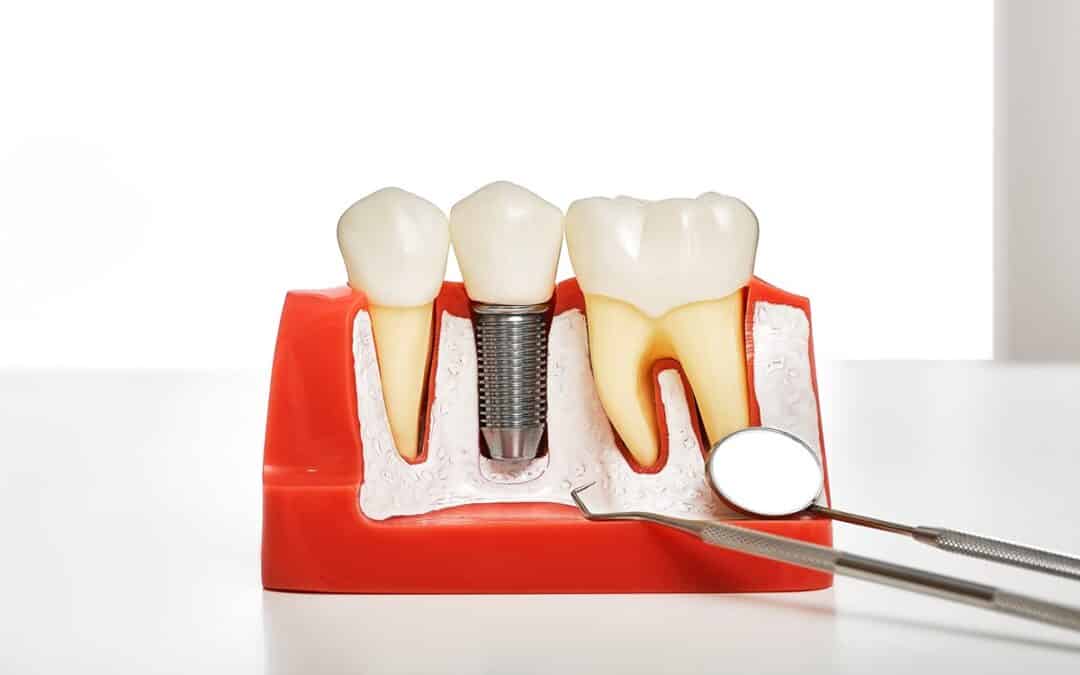
Implants differ from other tooth replacement options because they fuse with the jawbone. This process, known as osseointegration, creates a strong foundation for chewing and speaking. Unlike dentures or bridges, implants don’t rely on adjacent teeth for support, which helps preserve surrounding structures.
For people with missing teeth considering dental implants in Shreveport or in other parts of the United States, it’s important to know that success rates are extremely high, often above 95%. However, longevity depends on a mix of professional care and personal responsibility.
Which Factors Influence the Lifespan of Implants?
In order to maximize the span of your implanted tooth, here are the factors you need to consider:
Oral Hygiene Habits
Daily brushing and flossing are critical. Bacteria and plaque buildup can lead to peri-implantitis, a gum condition that threatens the stability of your implants. Using antimicrobial rinses also protects your gums.
Professional Dental Care
Regular visits to your implant dentist ensure that the implanted tooth remains healthy. Routine exams and cleanings help detect early warning signs, giving patients the best chance to maintain their dental implants in Shreveport for life.
Lifestyle Choices
Habits like smoking, excessive alcohol consumption, and teeth grinding can shorten implant lifespan. Patients who avoid these risk factors often see longer-lasting results.
Bone and Gum Health
Strong jawbone density and healthy gums are essential. Conditions such as untreated gum disease can compromise the implant site, making long-term success more difficult.
What are the Best Practices for Long-Term Implant Care?
Some of the most significant practices that you can follow for long-term implant care are as follows:
Consistency Is Key
Consistency in oral hygiene is the most effective way to protect your investment. Use a soft-bristle toothbrush, non-abrasive toothpaste, and interdental brushes to reach tight spaces.
Monitor Overall Health
Medical conditions like diabetes can impact healing and gum health. Managing systemic health plays a role in implant success.
Schedule Regular Follow-Ups
Your implant specialist may recommend yearly X-rays or digital scans to evaluate bone support. These appointments are opportunities to address small issues before they become major problems.
FAQs
1. How long do dental implants usually last?
With proper care, implants can last 20–30 years, and many last a lifetime.
2. What can cause implants to fail early?
Poor oral hygiene, smoking, gum disease, and untreated medical conditions are the most common causes.
3. Do dental implants require special cleaning tools?
Yes, interdental brushes and water flossers help clean areas that traditional brushing may miss.
4. Can older patients get implants?
Age alone is not a limitation. As long as bone and gum health are stable, implants are viable.
5. How frequently should I visit my dentist following implant placement?
Twice a year for checkups and cleanings is standard, though some patients may need more frequent visits.
6. What is the success rate of dental implants?
The success rate is over 95% when placed by an experienced provider and maintained properly.
Protect Your Dental Implants for a Lifetime
Implants are a remarkable investment in both oral health and confidence. While many can last a lifetime, success depends on daily care, lifestyle choices, and consistent professional support. If you are considering implants or want to ensure the longevity of your current ones, our implant specialist, Dr. Chris A Mott DDS, is here to guide you every step of the way.
Your next step? Visit our dental office and book an Appointment today to protect your smile for years to come.