
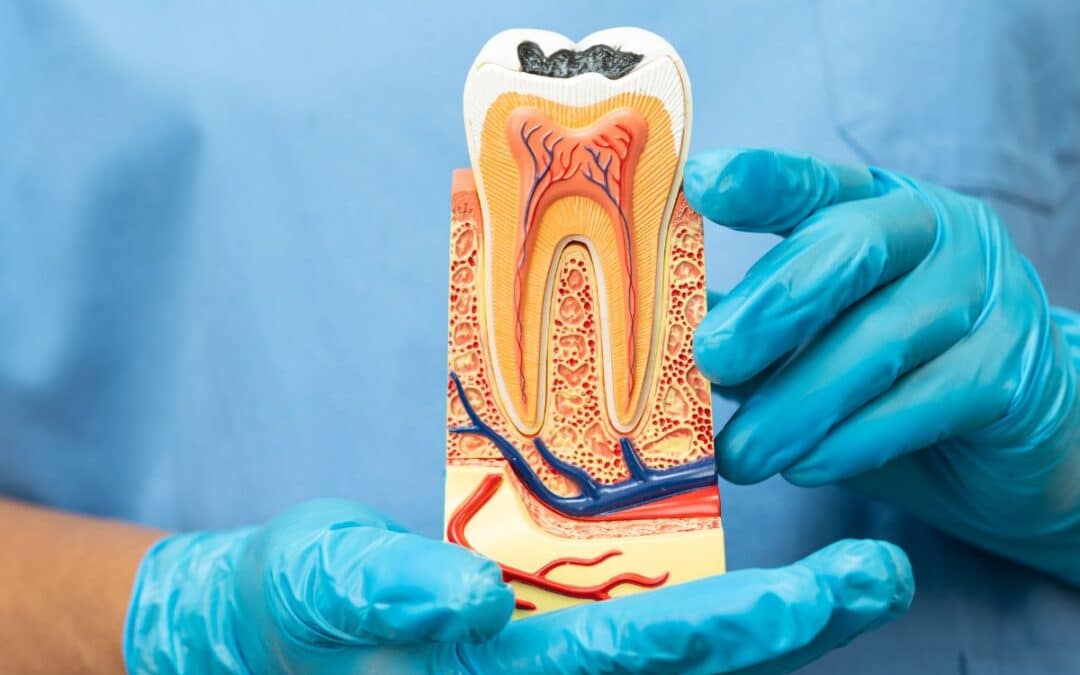
Many people believe a tooth that has undergone a root canal is impervious to further decay. After all, the nerve is gone, right? While a root canal procedure saves a tooth from extraction, it doesn’t make it invincible. Let’s delve into the specifics of root canal teeth and their susceptibility to cavities.
Understanding Root Canals: A Quick Recap
Before we address the cavity question, let’s briefly review what a root canal entails. When decay or infection reaches the tooth’s pulp (the inner chamber containing nerves and blood vessels), a root canal is necessary. During the procedure:
- The infected pulp is removed.
- The inside of the tooth is cleaned and disinfected.
- The space is filled with a biocompatible material (gutta-percha).
- The tooth is typically sealed with a crown.
This process eliminates the nerve, thereby eliminating pain and preventing further infection. However, it also means the tooth loses its ability to sense temperature and some of its inherent moisture.
The Short Answer: Yes, Cavities Are Still Possible
Despite the absence of a nerve, a root canal-treated tooth can still develop a cavity. Here’s why:
- The Outer Structure Remains: The enamel and dentin, the outer layers of the tooth, are still present. These layers are susceptible to decay-causing bacteria, just like any other tooth.
- Existing Fillings and Crowns Can Fail: Fillings and crowns, while durable, can crack, chip, or loosen over time. This creates openings for bacteria to enter and cause decay.
- Gum Recession: As gums recede, the root surface of the tooth becomes exposed. This root surface is softer than enamel and more prone to decay.
- Secondary Caries: Decay can occur at the margins of existing restorations (fillings or crowns), known as secondary caries.
How Does Decay Happen in a Root Canal Tooth?
The process of decay in a root canal tooth is similar to that of a natural tooth:
- Bacteria and Sugar: Bacteria in the mouth feed on sugars and carbohydrates, producing acids that erode tooth enamel.
- Enamel Erosion: Over time, these acids weaken and break down the enamel, creating a cavity.
- Dentin Decay: If the decay progresses, it reaches the dentin, which is softer and decays more rapidly.
- No Pain Warning: Because the nerve is gone, you won’t experience the typical pain associated with a cavity. This can lead to delayed detection and more extensive damage.
Recognizing Potential Problems: Signs to Watch For
Since pain isn’t a reliable indicator, it’s crucial to be vigilant for other signs:
- Visible Discoloration: Dark spots or discoloration on the tooth’s surface, particularly near the gum line or around fillings and crowns.
- Rough or Jagged Edges: Feeling rough or sharp edges on the tooth, indicating potential enamel breakdown.
- Swelling or Redness: Swelling or redness in the gums surrounding the tooth, which could signify an infection.
- Bad Taste or Odor: An unpleasant taste or odor emanating from the tooth, potentially indicating decay or infection.
- Loose Crown or Filling: A noticeably loose crown or filling that moves when touched.
Preventing Cavities in Root Canal Teeth: Essential Tips
Prevention is key to maintaining the health of a root canal tooth:
- Maintain Excellent Oral Hygiene: Brush your teeth twice daily with fluoride toothpaste and floss once daily to remove plaque and bacteria.
- Regular Dental Checkups: Schedule regular dental checkups and cleanings. Your dentist can detect early signs of decay and address them promptly. If you are looking for a reliable Shreveport Dentist, ensure you schedule regular visits.
- Balanced Diet: Limit sugary and acidic foods and drinks, which contribute to enamel erosion.
- Use Fluoride Products: Use fluoride mouthwash or toothpaste to strengthen enamel and make it more resistant to decay.
- Consider Dental Sealants: Dental sealants can be applied to the chewing surfaces of teeth, including root canal teeth, to create a barrier against bacteria.
- Prompt Repair of Damaged Restorations: If you notice a chipped, cracked, or loose filling or crown, seek dental attention immediately.
The Importance of Professional Care
Root canal teeth require specialized care. Regular dental checkups and professional cleanings are essential for early detection and prevention of cavities. If you suspect a problem with your root canal tooth, don’t hesitate to visit our dental office for any concerns. Addressing issues promptly can help preserve your tooth and prevent more extensive and costly treatments.
In conclusion, while a root canal saves a tooth, it doesn’t make it immune to cavities. With proper care and attention, you can maintain the health and longevity of your root canal tooth for years to come. If you have a cavity or are experiencing tooth pain, don’t wait for it to get worse. Schedule an appointment with Dr. Chris A Mott for a checkup and treatment to keep your smile healthy and bright.