
If you’re considering teeth replacement options or simply want to learn more about this innovative procedure, you’ve come to the right place. Dental implants have revolutionized the field of dentistry, providing a long-lasting and natural-looking solution for those with missing teeth. In this blog post, we’ll take you through everything you need to know about dental implants, from understanding the procedure step by step to discussing their numerous benefits over other treatment options. We’ll also provide valuable insights into aftercare and maintenance tips for maintaining your beautiful smile. So let’s dive in and explore the world of dental implants together!
Understanding the Procedure: Step by Step
Dental implant surgery is a complex yet highly effective procedure that involves several steps. Here, we will walk you through the process step by step to give you a better understanding of what to expect.
Your dentist will thoroughly examine your oral health and take x-rays or CT scans to assess the condition of your jawbone and determine if you are suitable for dental implants. This initial evaluation is crucial in ensuring a successful outcome.
Once you are deemed eligible for dental implants, the next step involves numbing the area with local anesthesia or sedation dentistry to ensure comfort during the procedure. Your dentist will then make an incision in your gum tissue to expose the underlying bone.
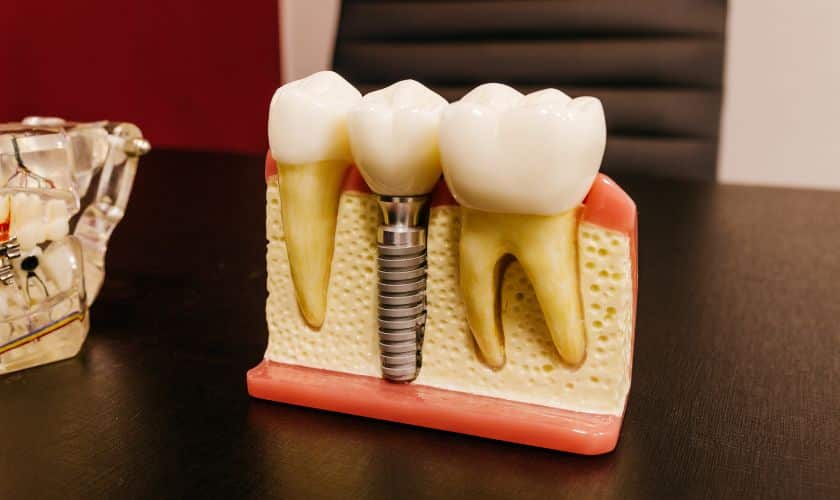
Afterward, using specialized tools, your dentist will carefully drill small holes into your jawbone where the dental implants will be placed. These titanium posts act as artificial tooth roots and provide a stable foundation for replacement teeth.
Once the implants are securely in place, temporary crowns may be attached while they heal. The healing process can take several months as osseointegration occurs – this is when the implant fuses with surrounding bone tissue.
Benefits of Dental Implants over Other Teeth Replacement Options
When it comes to replacing missing teeth, there are several options available. However, dental implants stand out as the superior choice for many reasons.
First and foremost, dental implants provide a permanent solution. Unlike dentures or bridges that may need to be replaced over time, implants are designed to last a lifetime with proper care and maintenance. This means you can enjoy the benefits of your new smile without worrying about future replacements.
Another major advantage of dental implants is their ability to preserve jawbone health. When a tooth is lost, the bone that once supported it begins to deteriorate due to lack of stimulation. Implants mimic natural tooth roots by anchoring securely into the jawbone, stimulating bone growth and preventing further deterioration.
In terms of aesthetics, dental implants offer unmatched naturalness. The replacement tooth is custom-made to match your existing teeth in color, shape, and size. This ensures a seamless integration with your smile so no one will even know you have an implant.
Aftercare and Maintenance Tips for Dental Implants
After investing in dental implants, taking proper care of them is essential to ensure their longevity and maintain your oral health. Here are some aftercare and maintenance tips for dental implants:
1. Regular Oral Hygiene: Just like your natural teeth, dental implants require regular brushing and flossing to remove plaque buildup. Use a soft-bristled toothbrush and non-abrasive toothpaste to gently clean around the implant area.
2. Be Mindful of Your Diet: Avoid hard or sticky foods that can put excessive pressure on the implants or cause damage. Opt for a balanced diet with plenty of fruits, vegetables, lean proteins, and dairy products that support overall oral health.
3. Quit Smoking: Smoking not only increases the risk of implant failure but also slows down the healing process. If you’re a smoker, quitting will significantly improve the success rate of your dental implants.
4. Regular Dental Check-ups: Schedule routine visits to your dentist for professional cleanings and check-ups. They will monitor the condition of your implants and identify any potential issues early on.
5. Wear Mouthguards if Necessary: If you participate in sports or grind your teeth while sleeping (bruxism), wearing appropriate mouthguards can protect both natural teeth and dental implants from trauma or excessive force.
Common Misconceptions about Dental Implants
There are several common misconceptions surrounding dental implants that can lead to unnecessary anxieties and misunderstandings. Let’s debunk some of these myths and set the record straight.
Dental implants are painful
Contrary to popular belief, dental implant procedures are not as painful as one might think. With modern anesthesia techniques, patients usually experience minimal discomfort during the procedure. Afterward, any post-operative pain can be easily managed with over-the-counter pain medications.
Dental implants are only for older adults
Age is not a determining factor when it comes to eligibility for dental implants. As long as you have good oral health and sufficient bone density in your jaw, you can benefit from this tooth replacement option at any age.
Dental implants require excessive maintenance
Maintaining dental implants is actually quite simple – just like caring for natural teeth! Regular brushing, flossing, and routine check-ups with your dentist will ensure their longevity. Unlike dentures or bridges, there is no need for messy adhesives or removal at night.
Dental implant surgery has a low success rate
Dental implant surgery boasts an impressive success rate of up to 98%. This high success rate is attributed to advancements in technology and improved surgical techniques. However, it’s essential to choose an experienced oral surgeon who specializes in implant dentistry to maximize your chances of a successful outcome.
Dental implants look fake
Modern dental implant materials closely mimic the appearance of natural teeth. Dentists work diligently to match the color, shape, and size of the prosthetic tooth so that it seamlessly blends in with your existing smile. No one will be able to tell that you have had an implant unless you tell them!
Conclusion:
Having a beautiful and healthy smile is essential for our overall well-being. Dental implants are an excellent option to restore missing teeth and regain confidence in your appearance. Throughout this comprehensive guide, we have explored the procedure, benefits, aftercare, and common misconceptions surrounding dental implants. The procedure itself involves several steps that may vary depending on individual circumstances. From initial consultation to implant placement and final restoration, it is crucial to work closely with your dentist or oral surgeon to ensure optimal results. One of the significant advantages of dental implants over other teeth replacement options is their durability and functionality. Unlike dentures or bridges, implants provide a permanent solution that mimics natural teeth both in appearance and performance. They allow you to eat your favorite foods without worry while maintaining proper oral health. Aftercare plays a vital role in the success of dental implant treatment. Following your dentist’s instructions regarding oral hygiene practices will help prevent complications such as infection or implant failure. Regular check-ups are also crucial for monitoring the condition of your implants and addressing any concerns promptly.