
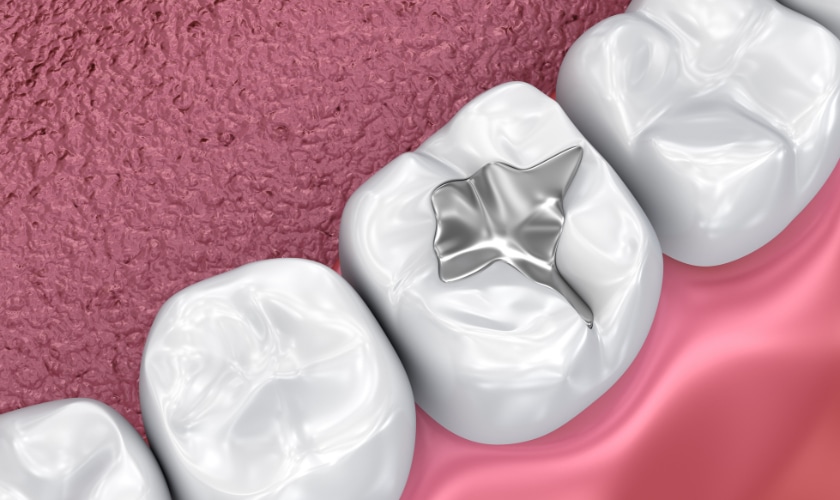
Welcome to our latest blog post all about dental fillings! If you’ve ever had a cavity, chances are you’re familiar with the process of getting a filling. But did you know that there are actually different types of fillings available? And do you know what steps to take after your filling is in place to ensure its longevity and effectiveness? In this post, we’ll cover everything you need to know about dental fillings – from the basics of how they work, to the various options available and how to care for them once they’re installed. So if you want to keep your teeth healthy and strong (and looking great!), read on for all the details!
What are Dental Fillings?
Dental fillings are used to restore damaged or decayed teeth. The most common type of filling is called a composite filling, which is made of a mix of plastic and glass. Other types of fillings include amalgam (silver), gold, and porcelain.
The procedure for getting a dental filling is pretty straightforward. First, your dentist will numb the area around your tooth with a local anesthetic. Then, they will use a drill to remove the damaged or decayed portion of your tooth. Once the area is prepared, your dentist will place the filling material into the hole and shape it to match your tooth. Finally, they will harden the material using a special light or laser.
After you get a dental filling, it’s important to practice good oral hygiene to prevent decay around the edges of the filling. This means brushing twice a day with fluoride toothpaste and flossing daily. Your dentist may also recommend that you avoid chewing hard foods or using tobacco products.
Types of Dental Fillings
There are several types of dental fillings that your dentist may recommend, depending on the location and extent of the cavity. The most common types of fillings are amalgam (silver) and composite (tooth-colored).
Amalgam fillings are made of a mixture of metals, including silver, tin, copper, and mercury. They are strong and durable, making them a good choice for large cavities or those in areas of high stress (such as molars). However, amalgam fillings are noticeable and can darken teeth over time.
Composite fillings are made of a plastic resin and glass mixture. They can be matched to the color of your tooth, making them less noticeable than amalgam fillings. Composite fillings are also used to repair cracked or chipped teeth. However, they may not be as durable as amalgam fillings and may require replacement sooner.
Other types of dental fillings include gold and ceramic. Gold fillings are strong and durable but are also expensive. Ceramic fillings are made to match the color of your tooth but may not be as strong as other types of filling materials.
Procedures for dental Fillings
The most common type of dental filling is an amalgam, which is made up of metals including silver, tin, and mercury. Amalgam fillings are strong and durable, but they can be noticeable because of their silver color.
Another type of dental filling is called a composite. Composites are made of plastic and glass particles, and they can be matched to the color of your teeth. composites are not as strong as amalgams, but they are less noticeable.
The third type of dental filling is called an inlay or onlay. Inlays and onlays are made from porcelain or gold, and they are custom-made to fit your tooth. Inlays and onlays are more expensive than other types of dental fillings, but they are also the strongest and most durable option.
The procedure for getting a dental filling is fairly straightforward. First, your dentist will remove the decay from your tooth. Next, he or she will clean the area around the tooth and prepare it for the filling. Then, the dentist will place the filling material into the cavity and shape it to fit your tooth. Finally, the dentist will harden the filling material using a special light or laser.
After you get a dental filling, it’s important to take care of your teeth to prevent further decay. Be sure to brush twice a day with fluoride toothpaste and floss once a day. You should also see your dentist regularly
Aftercare for Dental Fillings
After your dental filling procedure, it is important to take care of your teeth to ensure the longevity of your filling. Here are some aftercare tips:
- Brush and floss your teeth as usual, being careful not to dislodge the filling.
- Avoid chewing hard foods or crunching on ice, which can cause the filling to come out.
- If you have any sensitivity or pain around the filled tooth, contact your dentist.
- See your dentist for regular checkups and cleanings.
Pros and cons of Dental Fillings
When it comes to dental fillings, there are a few things you should know. First, there are different types of dental fillings that your dentist may recommend based on the location and severity of your tooth decay. The most common types of dental fillings are amalgam (silver) fillings, composite (tooth-colored) fillings, and gold fillings. Each type has its own set of pros and cons that you should discuss with your dentist before making a decision.
Amalgam (silver) fillings are the most affordable type of dental filling, but they are also the most noticeable. Composite (tooth-colored) fillings are more expensive than amalgam fillings, but they blend in better with your natural teeth. Gold fillings are the most expensive type of dental filling, but they last the longest.
Once you’ve decided on the type of dental filling you want, the next step is to have the procedure done. During the procedure, your dentist will remove the decayed portion of your tooth and then place the filling material in the cavity. The entire process usually takes less than an hour.
Aftercare for dental fillings is fairly simple. You’ll need to avoid chewing on hard foods for a few days while your tooth adjusts to the filling material. You should also brush and floss regularly to keep your teeth and gums healthy.
Conclusion
Dental fillings are a great way to restore teeth damaged by cavities and other issues. By understanding the different types of fillings, their procedures, and aftercare instructions you can make sure your smile stays healthy for years to come. Whether you’re looking for a tooth-colored filling or just need some extra protection from decay, your dentist will be able to discuss the best option for your unique needs. So don’t wait – take care of that cavity today!
FAQs
- What are the different types of dental fillings?
A. The most common types of dental fillings are made from composite resin, ceramic, or metal. Composite resin fillings are made from a mixture of plastic and glass particles, and they can be matched to the color of your natural teeth. Ceramic fillings are made from porcelain or another type of strong ceramic material, and they provide a more natural-looking option for front teeth. Metal fillings are usually made from amalgam (a mix of silver, mercury, copper, tin, and zinc), although gold and other metals can also be used. - How is a dental filling procedure performed?
A. After your dentist has determined that you need a dental filling, they will numb the area around the tooth with local anesthesia. Once the area is numb, your dentist will use a drill to remove any decay from the tooth. Once the decay has been removed, the filling material will be placed in the cavity and shaped to fit snugly. The material will then be hardened with a special light or laser. Finally, your dentist will check to make sure that the filling fits properly - What are some risks associated with dental fillings?
A. There are very few risks associated with dental fillings. In rare cases, an allergy to one of the materials used in the filling (such as mercury in silver amalgam) can cause problems.