
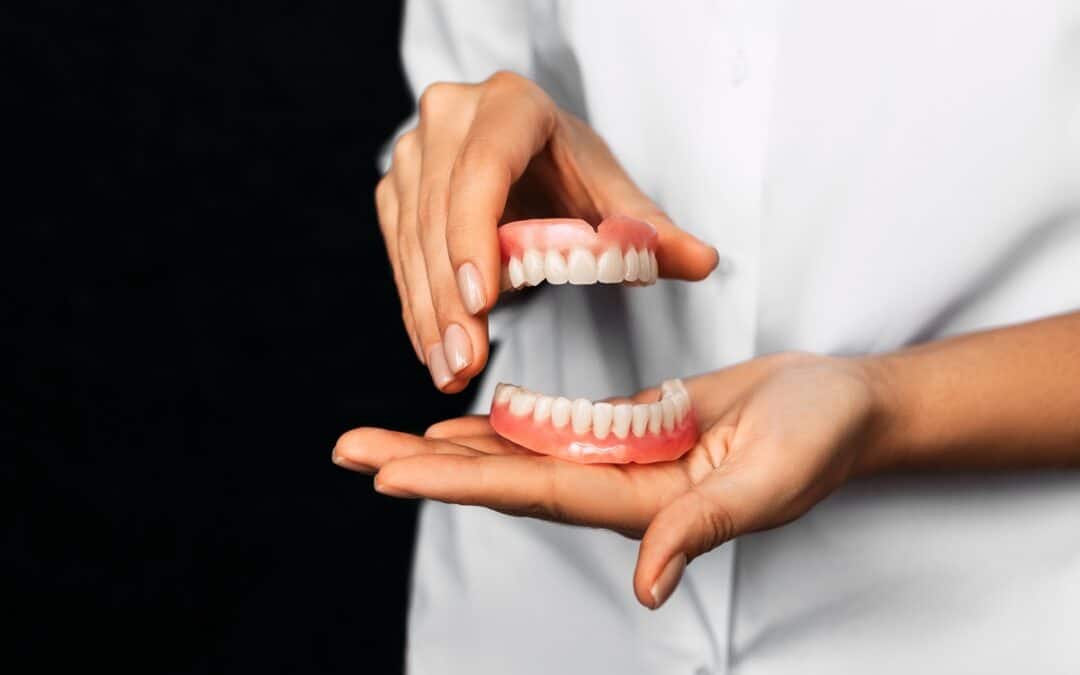
Dentures are often a popular solution when it comes to replacing missing teeth. But do these dental plates help with bone loss beyond restoring your smile? Bone loss in the jaw is a common issue for individuals who have lost teeth, and it can significantly impact their overall oral health. Understanding the connection between these oral appliances and bone preservation is crucial for making an informed decision about your dental care. This blog will dive deep into how this procedure works, its effect on bone health, and whether it can be an effective solution for preventing further bone loss.
Understanding Bone Loss and Its Impact
Bone loss, or resorption, typically occurs after teeth are lost due to injury, decay, or other dental conditions. The lack of stimulation from tooth roots causes the jawbone to weaken and shrink gradually over time. This can lead to various issues, including changes in facial appearance, difficulty chewing, and misalignment of remaining teeth. If left untreated, bone loss can affect the fit, causing discomfort and the need for adjustments.
One of the most significant concerns related to bone loss is that the jawbone will continue to shrink, especially if the missing teeth are not replaced. Dentures can provide an immediate and visible solution for individuals facing this issue. However, it’s important to understand how it can influence the bone structure over time.
How the Treatment Works and Its Effect on Bone Health?
These oral prostheses are designed to replace missing teeth, improving both function and appearance. Depending on the type of denture used, they sit on the gums and are held in place with a combination of suction, adhesives, or implants. While traditional options help restore chewing ability and prevent the remaining teeth from shifting, they do not prevent bone loss. This is because they don’t stimulate the jawbone in the same way natural tooth roots do.
However, some solutions may help mitigate the risk of bone loss while wearing them. Implant-supported dentures, for example, are a great option for individuals seeking to improve jawbone health. They are anchored to the jawbone with dental implants, which act as artificial tooth roots. Implant-supported ones can help slow down or even prevent further bone resorption by mimicking the natural stimulation provided by real teeth.
While traditional options are not as effective at halting bone loss, they can still provide significant benefits for patients who are looking for an affordable and non-invasive option to restore their smile. Additionally, regular visits to your dentist are essential to ensure that your dental plates continue to fit properly and maintain your oral health.
Can This Procedure Prevent Bone Loss?
Traditional dental prostheses offer significant benefits for individuals who have lost their teeth. While they don’t directly prevent bone loss, they play a crucial role in restoring your smile’s appearance and functionality. These oral appliances improve chewing ability, making it easier to enjoy a wider variety of foods. They also help maintain facial structure by filling in the gaps left by missing teeth. This can prevent further shifting of your remaining teeth, ensuring your bite stays aligned.
Moreover, these replacement teeth can provide a sense of confidence and normalcy, allowing patients to smile, speak, and eat with ease. While they don’t directly halt bone loss, they can help preserve the remaining bone structure by improving oral function and reducing the likelihood of further oral complications.
Implant-supported dentures can offer an additional benefit for those seeking a more permanent solution to preserve jawbone health. Integrating dental implants into the denture system provides the stimulation needed to maintain bone density. Regardless of the choice, these false teeth are a positive step toward regaining a healthy, functional smile.
How to Maintain Healthy Bones with Dentures?
While this treatment may not directly stop bone loss, there are several ways to manage and maintain a healthy mouth while using them:
- Choose implant-supported prosthetics: As mentioned, these oral appliances can provide the necessary stimulation for the jawbone, significantly reducing the risk of further bone loss.
- Regular dental check-ups: Routine visits to your dentist ensure proper fit and that your oral health is being monitored.
- Eat a healthy diet: A balanced diet rich in calcium and vitamin D can support overall bone health, which can be beneficial.
By adopting these practices, patients ensure that their replacement teeth work effectively and minimize the impact of bone loss over time.
Take the Next Step Towards a Healthier Smile
While traditional restorations offer valuable solutions for replacing missing teeth, they do not prevent bone loss on their own. For patients concerned about bone health, implant-supported dentures are a more advanced option that provides the dual benefit of tooth replacement and jawbone preservation. It’s crucial to consult with your dentist to determine the best solution based on your specific needs and condition.
If you’d like to learn more about dentures, book an appointment and visit our dental office to discuss your options and learn how we can help you maintain your smile and jawbone health.