
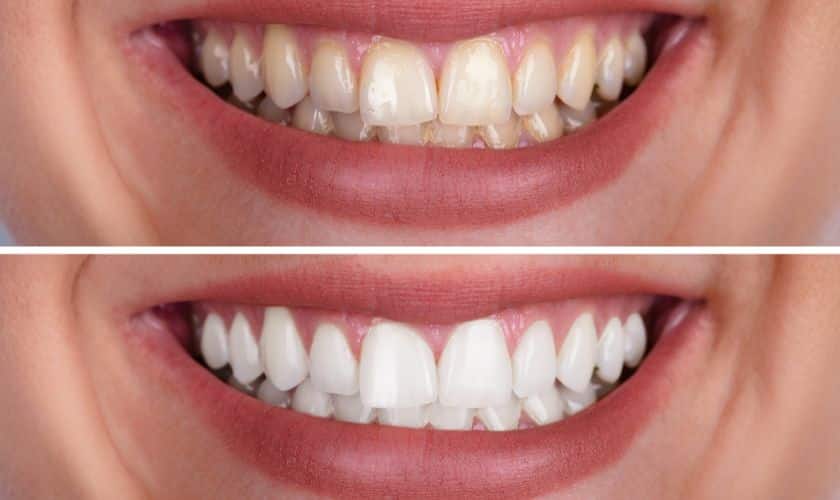
Are you dreaming of a picture-perfect, pearly-white smile? You’re not alone! A bright, white smile is one of the first things people notice about you, and teeth whitening promises to help you achieve that glow. But does it really work? Teeth whitening has become one of the most popular dental cosmetic procedures, with millions getting their teeth professionally bleached or using at-home whitening kits yearly. But skeptics wonder if the results live up to the hype. In this blog, we’ll explore whether professional and at-home teeth whitening actually makes a noticeable difference in your smile’s brightness. You’ll learn how teeth whitening works, what level of whitening you can expect, side effects to watch for, and tips to maximize your results from a dentist in Shreveport, LA.
The Science Behind Teeth Whitening
The Anatomy Of A Tooth
A gleaming, white smile has always been a symbol of attractiveness and good oral health. But how does teeth whitening work? To understand teeth whitening, we first need to understand the basic anatomy of a tooth. A tooth consists of several layers. The first is the enamel, the outermost layer of your tooth. It’s a hard, protective shell that covers the more sensitive inner layers. The second layer is called the dentin, which is a porous tissue. Dentin is naturally yellowish and becomes more visible when the enamel is thin or stained.
Causes Of Tooth Discoloration
Before we dive into whether teeth whitening works, it helps to understand what causes teeth to become dull and discolored in the first place. Several factors contribute to tooth staining and yellowing:
- Food and Drink: Coffee, tea, wine, and other dark-pigmented foods and beverages can stain tooth enamel over time.
- Tobacco Use: Smoking and chewing tobacco causes teeth discoloration.
- Trauma: Damage to the teeth from injury can result in graying.
- Medications: Some prescription drugs, like tetracycline, may cause tooth discoloration.
- Genetics: Some people naturally have yellowish tooth shades.
- Aging: As you age, the outer enamel layer of your teeth wears thin, exposing the yellow dentin underneath.
How Can Teeth Whitening Help You?
Professional teeth whitening uses carbamide or hydrogen peroxide gels to penetrate the enamel and break up deep stains. The oxygen molecules from the whitening gel act like bleach to lighten discoloration. Most professional teeth whitening is done in the dentist’s office, either in one longer session or multiple shorter visits.
Custom-fitted whitening trays loaded with bleaching gel are often made for at-home touch-ups. Over-the-counter whitening kits also use peroxide-based gels but at lower concentrations than professional treatments. Store-bought strips, toothpaste, and tray solutions help maintain brightness between in-office procedures.
What Level of Whitening Can I Expect?
Now that we know how teeth whitening works, how many shades lighter can you expect your smile to become? Here’s the deal:
Professional In-Office Whitening
In the dentist’s chair is where the magic happens! The powerful peroxide gels can penetrate deep below the enamel to lift away years of set-in stains. Most patients beam 4-8 shades brighter after a single in-office session. Now that’s something to smile about! While one visit may boost your brightness by up to 5 shades, a full treatment plan over 2-4 appointments is needed for that maximum wattage whitening worth sharing with the world. Time to post that toothy “After” selfie!
At-Home Whitening
DIY kits let you gradually transform your smile in the convenience of your own home. But with weaker bleaching gels, expect a more modest 2-3 shade boost. Nothing to scoff at! Daily use for 1-2 weeks is ideal for seeing a noticeable difference in your tooth color. Just stick with it! Maintenance touch-ups will keep your new white smile going strong for months.
Tips To Maximize Whitening Results
Brushing And Flossing
Brush and floss thoroughly before bleaching to remove surface stains from your teeth. Be diligent about your normal oral hygiene regimen. Scrubbing away built-up plaque, bacteria, and food debris provides the bleaching agents with a clean surface to work on for optimal results.
Avoid Foods That Cause Tooth Discoloration
Avoid dark foods and drinks that can re-stain your teeth for 48 hours after whitening. Stuff like coffee, tea, red wine, berries, tomato sauce, and dark sodas contain intense pigments that can seep into your freshly whitened enamel if indulged too soon after treatment. Wait two full days before enjoying your favorites again.
Finish The Prescribed Whitening Routine
Completely finish any prescribed whitening regimen for full effects. Whether using custom dental trays or strips for at-home bleaching, be sure to use them for the entire recommended treatment period for maximum whitening. Prematurely stopping your regimen can prevent you from reaching your optimum shade lightening.
Fluoride Toothpaste
Use fluoride toothpaste and oral rinses to strengthen enamel after treatment. The peroxide in whitening gels can cause temporary enamel sensitivity and weakening. Daily use of fluoride products helps re-mineralize and protect your enamel after whitening sessions.
Professional Checkup
Get periodic professional touch-up treatments as needed to maintain your new smile. In-office whitening from your dentist provides the highest level of stain removal. Schedule a visit every 6-12 months for a tune-up bleach to keep your teeth looking their brightest long-term.
Wear A Nightguard
Wear a custom night guard to protect your newly whitened teeth from grinding habits. If you clench or grind your teeth, the pressure and friction can damage the fresh, porous enamel post-whitening. Ask your dentist in Shreveport about getting fitted for a night guard to help preserve that just-brightened smile.
Does Teeth Whitening Work: The Verdict
While no toothpaste or bleaching treatment can make your teeth sparkling white overnight, professional teeth whitening does create visibly whiter, brighter smiles when done properly. Most people see noticeable 2-8 shade lightening results from in-office and at-home kits. As long as you have realistic expectations about the whitening possible for your teeth, employ safe whitening practices, and maintain your new smile with good oral hygiene, teeth bleaching can give you the dazzling smile you’ve always desired. Ready to put teeth whitening to the test? Contact your dentist in Shreveport today to schedule a consultation! We’ll help you determine the best teeth whitening options and procedures for your goals.
A brighter, whiter smile that turns heads is within your reach. While no product works magic, professional teeth whitening can safely lighten discoloration by several shades when maintained properly. Maximize your results by practicing good oral hygiene, avoiding teeth-staining foods and drinks after whitening, and getting periodic touch-up treatments, & by eating vegan foods that are good for teeth. If you’re considering teeth whitening, consulting with a Shreveport dentist is a wise step to ensure safety and effectiveness. Consult about maximizing your whitening options for a radiant, confidence-boosting smile.