
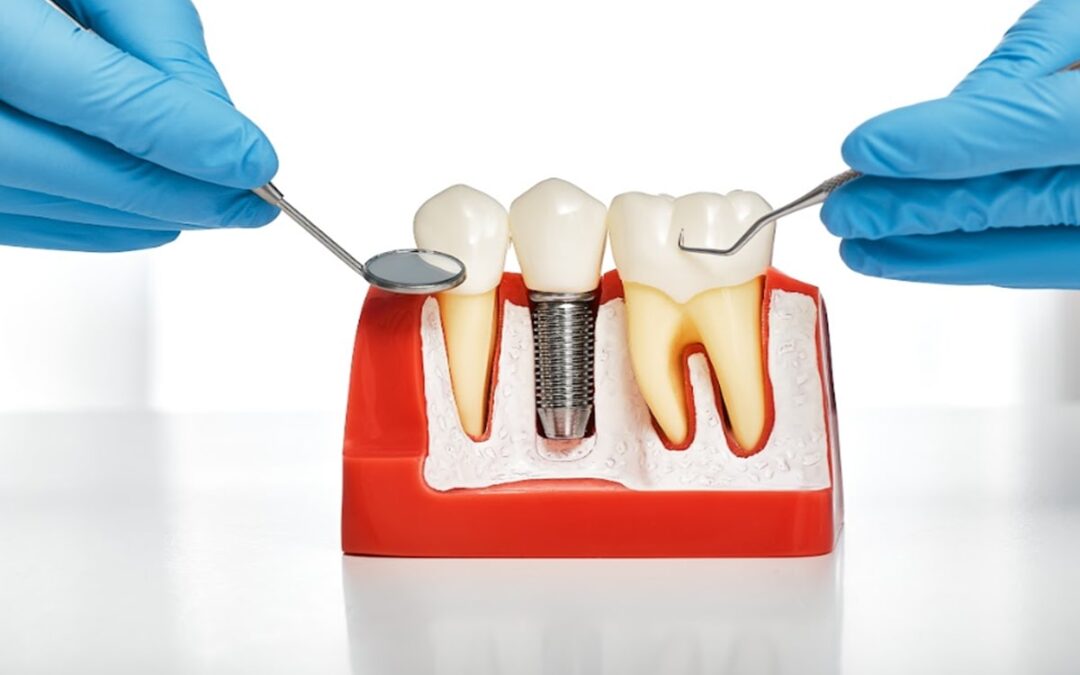
Dental implants offer a permanent solution to missing teeth, restoring both function and appearance. However, certain habits can shorten the lifespan of your permanent restoration. These actions may lead to complications that affect both the implant and the surrounding teeth. In Shreveport, where many are active in sports or enjoy local favorites like the Crawfish Festival, it’s essential to be aware of these habits to protect your investment in a healthy smile.
Habits That Can Threaten The Longevity Of Implanted Teeth
While prosthetic teeth are designed for durability, they require care to last as long as possible. Here are six everyday habits that can affect the longevity of your treatment:
1. Teeth Grinding: Stress On Your Prosthetics
One of the most damaging habits for your dental implants is teeth grinding, or bruxism. This puts immense pressure on your restoration, potentially loosening or cracking your implant. If you grind your teeth, especially at night, using a night guard can prevent significant damage. In Shreveport, where stress and active sports are part of life, a night guard is a simple, effective solution to protect your implant.
2. Smoking: A Major Threat To Implant Success
Smoking severely impacts the health of your gums and bones, increasing the risk of implant failure. It restricts blood flow to the gums, making it harder for your implant to bond properly with your jawbone. For residents of Shreveport and nearby areas, where outdoor activities such as fishing or hiking on Caddo Lake are common, quitting smoking can make a world of difference in the longevity of your implants and your overall oral health.
3. Poor Oral Hygiene: Preventing Gum Disease Around The Dental Work
Inadequate brushing and flossing can lead to plaque buildup around your implant, causing gum disease and infections. This not only compromises the health of your gums but can also affect the stability of your dental work. Regular cleaning with fluoride toothpaste, gentle brushing, and flossing daily will help keep your dental implants safe. Additionally, make sure to visit a dentist regularly for professional cleanings.
4. Eating Sticky Foods: Plaque Buildup Around Surgical Site
Hard foods like ice, nuts, and hard candy can put unnecessary stress on your implant, potentially causing cracks or damage. Similarly, sticky foods can dislodge the crown, leading to additional issues. Locals in these areas enjoy local favorites like BBQ and Crawfish Fest. Be mindful of what you eat to avoid risking your oral restoration. Opt for softer, healthier options that won’t strain your restoration.
5. Chewing Hard Objects: Don’t Risk Damage
It may seem harmless, but using your teeth as tools to open bottles or tear packaging can damage both your natural teeth and artificial tooth roots. This common habit can cause chips, cracks, or dislodge the crown of your implant. Always use proper tools for tasks like opening packages or biting into hard objects, and protect your smile from unnecessary damage. Whether you’re enjoying a Shreveport summer BBQ or just running errands, avoid using your teeth for anything other than eating.
6. Neglecting Regular Dental Visits: Preventive Care Is Key
Even if you’re taking care of your new dental implant, regular checkups with the hygienist are essential to maintaining your restoration’s condition. Skipping checkups can lead to unnoticed issues, like gum disease or implant instability, which may cause long-term problems. So, ensure to schedule regular visits with your dentist to monitor your prosthetic’s health and catch any issues early.
Quick Daily Routine For Fixture Longevity
- Brush soft, twice a day.
- Floss around posts daily.
- Hydrate hourly.
- Wear a guard at night.
- Rinse after meals.
- Check every 6 months.
Follow this routine to watch your dental implants last for decades without worry!
What To Do If You Experience Discomfort Despite Being Mindful?
Occasional discomfort after prosthetic teeth placement is standard, but persistent pain should not be ignored. If you experience pain or discomfort that doesn’t subside, it could indicate an infection or implant failure. In such cases, it’s essential to visit our dental office for an evaluation. Early intervention can prevent more serious issues and help preserve the success of your implants.
Why Broken Arrow Faces Extra Risks?
Broken Arrow’s hard water, dry winds, and holiday feasts can all increase the risks of complications with implanted teeth. However, awareness is the first step toward avoiding these issues. With the proper care, 95% of dental implants can last for decades.
Book An Appointment Today With Dr. Chris A Mott, DDS
It’s crucial to take care of your implanted teeth to ensure they last for many years. By avoiding these harmful habits and following the proper care routine, you can protect your smile for a lifetime. If you’ve noticed any of these habits affecting your treatment, or if it’s time for a check-up, reach out to our dental team for a comprehensive evaluation and personalized care plan. Book an appointment with Dr. Chris A Mott, DDS, today, and let us help you maintain your beautiful, healthy smile for a lifetime!
Frequently Asked Questions
1. Can bad habits cause my implanted teeth to fail?
Yes, habits like teeth grinding, smoking, and poor oral hygiene can significantly affect the health and longevity of your implants. Regular maintenance and avoiding harmful habits are essential to ensuring your implants last in the long term.
2. How can smoking affect my fixed dental prosthetics?
Smoking restricts blood flow to the gums, which impairs healing and increases the risk of infection around your implant. It can also delay bone integration, ultimately jeopardizing the success of your implant.
3. What are the signs that my restorative work is damaged?
Signs of damage include discomfort, swelling around the implant site, or a loose crown. If you notice any of these symptoms, visit our dentist immediately to assess the situation and prevent further damage.
4. How does poor oral hygiene affect oral implants?
Poor oral hygiene can lead to plaque buildup around the implant, causing gum disease and infection. If left untreated, this can damage both the gum tissue and the bone, leading to implant failure.
5. Are there foods I should avoid after getting artificial tooth roots?
Yes, sticky foods, hard candies, and ice can stress your dental work, potentially damaging the crown or the implant itself. Stick to soft foods, and avoid chewing on hard objects to protect your restoration.
6. How can I protect my dental implants from damage?
Protect your dental posts by avoiding harmful habits like smoking, grinding your teeth, or using your teeth as tools. Regular dental visits, proper brushing, and a night guard for grinding are all effective ways to maintain your implant’s health.