
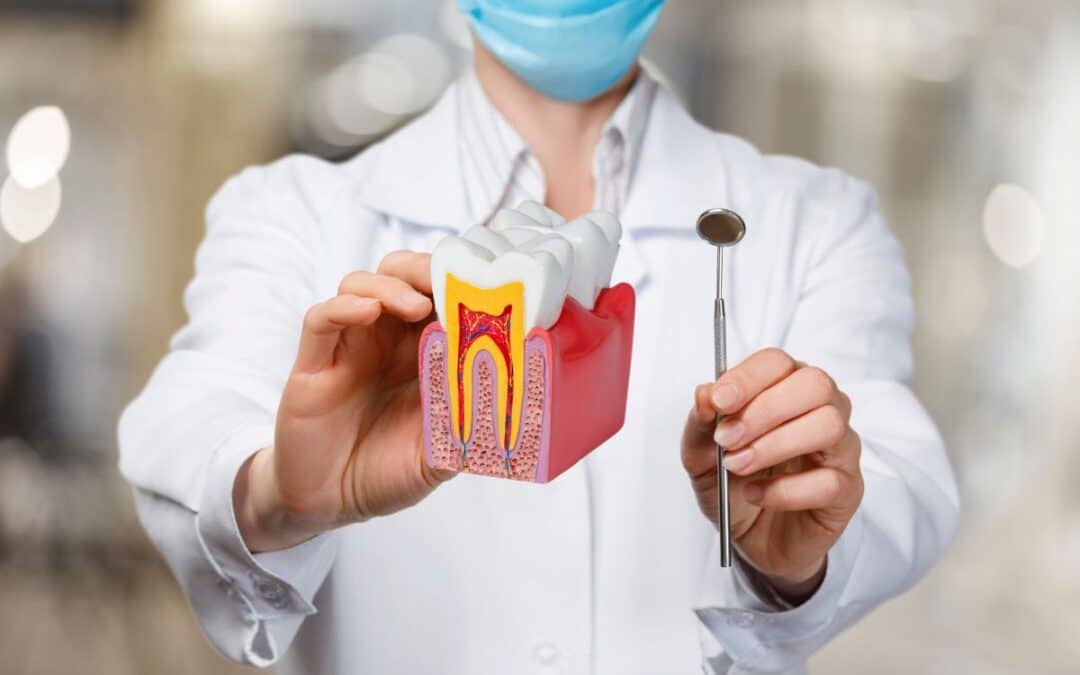
A root canal is a common dental procedure that can save a tooth that would otherwise need to be extracted. It involves removing the infected or damaged tissue inside the tooth and sealing it to prevent further infection. While this treatment is highly effective, many people wonder how long a tooth treated with a root canal can last.
Factors That Affect the Lifespan of a Root Canal-Treated Tooth
Quality of the Procedure:
The skill and experience of the dentist performing the root canal can significantly impact how long the tooth lasts. A well-executed root canal, combined with proper sealing, can keep the tooth intact for many years. On the other hand, improper treatment can lead to reinfection and the need for further procedures.
Restoration After Treatment:
After a root canal, the tooth will often require a crown or filling to restore its structure and function. A crown helps protect the tooth from fracture and wear, which is especially important for molars that endure a lot of pressure. Without proper restoration, the tooth may become brittle and more susceptible to damage.
Oral Hygiene:
Maintaining excellent oral hygiene is essential for prolonging the life of any tooth, including those treated with a root canal. Regular brushing, flossing, and professional cleanings help prevent further decay and infection. Additionally, avoiding harmful habits like grinding your teeth or chewing on hard objects can help keep the tooth intact.
General Oral Health:
The overall health of your teeth and gums plays a role in the longevity of root canal-treated teeth. Healthy gums support the treated tooth and help prevent complications, such as reinfection or gum disease, which can affect the tooth’s stability.
Can a Root Canal-Treated Tooth Last a Lifetime?
While there is no definitive answer, studies show that a tooth with a root canal can last anywhere from 10 to 15 years, with many lasting much longer if cared for properly. In some cases, root canal-treated teeth can even last a lifetime, especially if they are well-maintained with proper dental care and regular check-ups.
However, it’s important to remember that no tooth is invincible. Over time, the tooth may weaken, or the root canal treatment may need to be retreated. Factors such as the tooth’s location, the extent of the infection, and the quality of the initial treatment all play a role in how long the tooth can last.
What to Do for Long-Term Success
To maximize the lifespan of a root canal-treated tooth:
- Follow your dentist’s aftercare instructions carefully.
- Wear a crown or restoration to protect the tooth from wear and fracture.
- Maintain regular dental check-ups to monitor the health of the tooth.
- Keep up with good oral hygiene habits.
If you’re concerned about the longevity of your root canal-treated tooth or need an evaluation, it’s important to consult with a trusted dentist. At Dr. Chris A. Mott DDS, we specialize in providing top-quality root canal treatments and restorative care to help you maintain your oral health for the long term. Contact us today to schedule a consultation and learn more about how we can help keep your smile healthy and bright!