
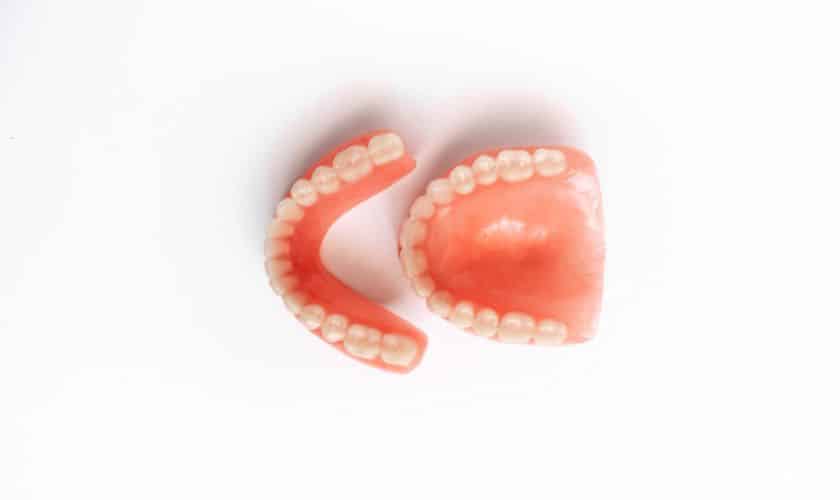
Dentures are a great solution for those who have lost their natural teeth, providing both functional and aesthetic benefits. However, like any dental appliance, dentures can face fit issues and potential damage over time. It’s essential to address these problems promptly to maintain comfort, functionality, and the health of your gums and mouth. In this blog, we’ll explore common denture fit issues and how to fix them, as well as how to prevent damage to your dentures in the long run.
Common Denture Fit Issues
- Loose or Unstable Dentures One of the most common issues with dentures is when they become loose or unstable. This can happen due to changes in the shape of your gums or jawbone over time. When dentures no longer fit properly, it can lead to discomfort, difficulty eating, and even sores inside your mouth.
- Sore Spots or Gum Irritation Poorly fitting dentures can cause sore spots or irritation on the gums. The friction between the dentures and gum tissue can result in painful blisters or ulcers, making it difficult to wear them comfortably.
- Difficulty Chewing or Speaking If your dentures aren’t fitting properly, you may notice difficulty chewing your food or speaking clearly. This is often due to dentures that don’t stay in place or don’t align properly with your natural bite.
How to Fix Denture Fit Issues
- Visit Your Dentist for Adjustments: The best solution to fix denture fit issues is to visit your dentist for professional adjustments. If your dentures are loose or causing discomfort, your dentist can reline, rebalance, or reshape them to ensure a snug and comfortable fit. This is especially important if you notice changes in your mouth over time due to gum or bone changes.
- Use Denture Adhesive as a Temporary Solution: In cases where your dentures feel loose but you’re unable to see your dentist immediately, using a denture adhesive can help temporarily hold them in place. Make sure to choose a high-quality, dentist-approved adhesive for the best results. However, remember that adhesives should not be relied upon long-term and only serve as a short-term solution until you can get professional help.
- Consider Replacement or Reline: Over time, dentures may need to be relined or replaced. If your dentures have become significantly worn or if your gum shape has changed, relining may be necessary to restore the fit. If this is the case, your dentist may suggest new dentures. For those who need dentures in Shreveport, visiting a local dental office ensures you get the right treatment and a proper fit tailored to your needs.
- Adjust Your Eating Habits: While you’re waiting for adjustments, try eating softer foods that are easier to chew, avoiding sticky or hard foods that can cause further discomfort. Taking smaller bites and chewing slowly can also help minimize the strain on your dentures.
How to Prevent Damage to Your Dentures
- Clean Your Dentures Regularly: Regular cleaning is key to preventing damage and maintaining the appearance of your dentures. Use a soft-bristled toothbrush or a denture brush to gently clean your dentures daily. Avoid using regular toothpaste, as it can be abrasive and damage the surface. Instead, opt for a denture cleaner specifically designed for cleaning dentures.
- Handle With Care: Dentures can be fragile, so always handle them carefully to avoid dropping or damaging them. When cleaning or removing your dentures, consider doing it over a soft surface, such as a towel or sink filled with water, to minimize the risk of breakage.
- Store Your Dentures Properly: When you’re not wearing your dentures, always store them in a clean, dry container. Make sure they’re completely dry before storing them to avoid bacterial growth. Additionally, always keep your dentures moist when not in use by soaking them in a denture solution or clean water to prevent them from drying out and losing shape.
- Avoid Hot Water: Never rinse or soak your dentures in hot water, as this can cause them to warp or lose their fit. Stick to lukewarm water to clean and soak your dentures to keep them in optimal condition.
- Regular Check-Ups: Even if your dentures seem to fit well, regular check-ups with your dentist are essential to monitor their condition and your oral health. Your dentist can assess any wear and tear and make adjustments or replacements as needed.
Conclusion
Fixing denture fit issues and preventing damage is crucial to maintaining comfort and function. Whether you’re dealing with loose dentures, sore spots, or difficulty chewing, professional adjustments and regular care can help keep your dentures in top shape. For those seeking dentures in Shreveport, it’s important to work with a skilled dental team who can provide personalized solutions for all your denture needs. By following proper care practices and seeking professional help when necessary, you can enjoy a confident, comfortable smile for years to come.