
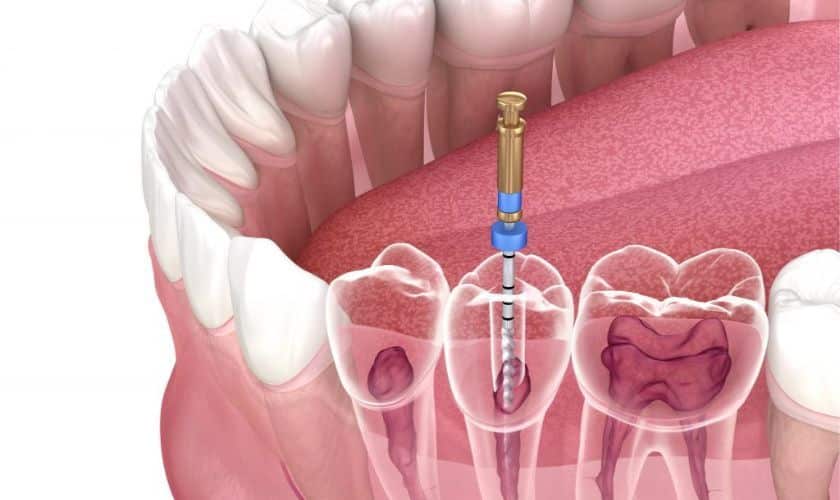
Are you experiencing persistent tooth pain or sensitivity? If so, you may need a root canal. While this phrase can make some people cringe, the truth is that root canals are a common dental treatment that can save your tooth and eliminate discomfort. In this comprehensive overview of root canals, we’ll take a closer look at what they are, how they’re performed, and what to expect during and after the procedure. Whether you’ve never had a root canal before or just want to learn more about them, keep reading for all the information you need!
What is a Root Canal?
A root canal is a dental procedure that involves removing the pulp from inside a tooth’s roots. The pulp contains nerves and blood vessels that help keep the tooth alive, but when it becomes infected or inflamed, it can cause severe pain and even abscesses.
During a root canal, your dentist will remove the damaged or infected pulp using special tools. They’ll then clean out the inside of your tooth to ensure all bacteria are removed before filling in the space with a biocompatible material.
Once this part of the process is complete, you may need additional dental work – such as getting a crown – to restore proper function and appearance to your tooth. While many people dread getting root canals due to their reputation for being painful, most patients experience only minor discomfort during and after the procedure thanks to modern anesthetics.
Root canals are an effective way to save damaged teeth while preserving natural functionality and aesthetics for years to come.
How Are Root Canals Treatment Performed?
The thought of getting a root canal treatment can be daunting, but the procedure itself is relatively simple and straightforward. The process typically involves several steps that may take place over one or more appointments with your dentist.
To begin, your dentist will administer local anesthesia to numb the area around the tooth being treated. Once you’re comfortable, they’ll create an opening through the top of your tooth down into its pulp chamber – where the infected or damaged tissue lies.
Using specialized tools, your dentist will then remove any diseased or dying tissue from within this chamber and each of your tooth’s canals. This process is known as “root canal therapy”. Afterward, they’ll shape these spaces to prepare them for filling.
Next up comes filling! Your dentist will use a rubber-like material called gutta-percha which fills in those empty spaces left by removing all that yucky stuff earlier on. They’ll seal it off using dental cement to prevent further infection and damage from occurring down the road.
While this might sound like quite an ordeal at first glance – especially if you’ve bought into some of those horror stories circulating on social media – rest assured that most people find root canal treatments only mildly uncomfortable at worst (thanks again to modern anesthetics).
What to Expect After a Root Canal?
After a root canal, it’s normal to experience some discomfort and sensitivity. You may feel slight pain or tenderness around the affected tooth for a few days following the procedure. However, this can be alleviated with over-the-counter pain medication.
In addition to temporary discomfort, you may also notice that your bite feels different after the root canal treatment. This is because the tooth has been hollowed out and filled with material, which can slightly alter its shape and position in your mouth. But don’t worry – your dentist will provide instructions on how to adjust to these changes.
It’s important to avoid chewing on hard or crunchy foods immediately after the root canal procedure as this could cause further damage or dislodge any temporary fillings put in place by your dentist.
You’ll also need to follow specific aftercare instructions provided by your dentist. For example, you’ll need to brush and floss regularly but gently around the treated area while it heals.
If you experience severe pain, swelling or bleeding following a root canal procedure, it’s essential that you contact your dentist immediately for further advice and treatment options.
Root Canal Aftercare
Root canal aftercare is an important part of the treatment process. After your root canal, your tooth may be sensitive for a few days or even weeks. This is normal and can be managed with over-the-counter pain relievers.
It’s also important to avoid chewing on hard foods or using the treated tooth for biting until it has been fully restored with a crown or filling. This will help prevent further damage to the tooth and ensure its longevity.
In addition, you should maintain good oral hygiene practices such as brushing twice daily and flossing regularly to keep the area clean and free of bacteria. Your dentist may recommend additional follow-up appointments to monitor the healing process and ensure proper restoration of the tooth.
If you experience any severe pain or swelling, contact your dentist immediately as this could be a sign of infection or other complications. Following proper root canal aftercare instructions is essential in ensuring successful treatment outcomes and long-term oral health.
When is Root canal a necessary?
When it comes to dental procedures, root canals are often a dreaded one. However, they are necessary in many cases where the tooth’s pulp becomes infected or inflamed. Many people wonder when they may need a root canal.
One of the most common signs that you may need a root canal is persistent pain in your teeth or gums. This pain usually increases over time and can become unbearable if not treated promptly.
Another sign that indicates you may require this treatment is sensitivity to hot or cold temperatures. If you feel discomfort while consuming hot or cold drinks and foods, then there might be an issue with your tooth’s pulp.
In some instances, you may notice swelling around your jawline due to an abscessed tooth caused by bacterial infection from damaged nerve tissues inside the tooth.
Trauma resulting from injury or accident could also cause damage and inflammation leading to nerve death requiring endodontic therapy like root canal procedure.
If any of these symptoms sound familiar, it is essential to visit your dentist for consultation and evaluation of whether a root canal is needed as soon as possible before worsening further damage occurs.
Conclusion
In summary, a root canal is a dental procedure that saves an infected or damaged tooth from being extracted. The treatment involves removing the pulp and nerve tissue from inside the tooth, cleaning and disinfecting the area, filling it with a special material, and placing a Dental crown or filling on top for protection. Although root canals may seem daunting at first glance, they are actually quite routine and can be performed by any qualified dentist. With proper aftercare and regular checkups, most patients can expect their treated teeth to last for many years without any issues.