
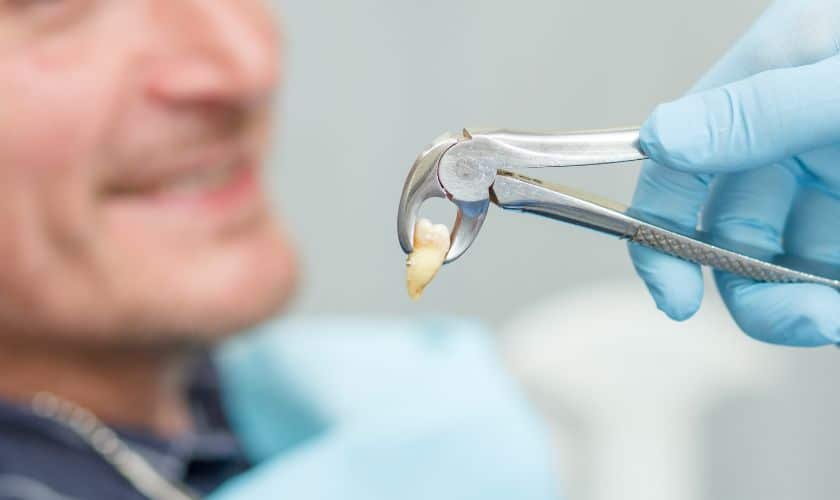
Have you ever experienced nagging pain, discomfort, or persistent dental issues that just won’t go away? Sometimes, it’s our teeth causing us trouble, and saying goodbye to a troublesome tooth can be a necessary step toward better oral health. Tooth extraction is a common dental procedure that aims to alleviate pain and prevent further complications. In this comprehensive guide, we will explore everything you need to know about tooth extraction, from understanding the procedure to post-extraction care.
Understanding Tooth Extraction
Tooth extraction, also known as dental extraction or exodontia, is the removal of a tooth from its socket in the jawbone. This procedure is typically recommended for various reasons, such as:
- Decay or Damage: When a tooth is severely decayed or damaged, sometimes it’s beyond repair, and extraction becomes the only viable option.
- Impacted Teeth: Wisdom teeth, also known as third molars, often become impacted due to a lack of space in the jaw. Impacted teeth can lead to pain, infection, and other complications, making extraction necessary.
- Orthodontic Treatment: Some orthodontic treatments require the removal of one or more teeth to create space for the remaining teeth to align correctly.
- Infection: In some cases, severe dental infections can only be resolved by removing the affected tooth to prevent the spread of infection.
- Overcrowding: In cases where there’s not enough space for all the teeth in the mouth, some may need to be extracted to create a more aligned and functional bite.
The Tooth Extraction Procedure
Tooth extraction is typically performed by a dentist or oral surgeon. Before the procedure, your dentist will evaluate your dental and medical history, take X-rays, and discuss your options for anesthesia and pain management. Depending on the type of tooth and your specific case, there are two main types of tooth extraction:
- Simple Extraction: This is performed on teeth that are visible in the mouth. The dentist loosens the tooth with an instrument called an elevator and removes it with forceps. Local anesthesia is used to numb the area, making the procedure relatively painless.
- Surgical Extraction: Surgical extraction is more complex and is often required for impacted teeth or teeth with multiple roots. In this case, the dentist may need to make a small incision in the gum or even remove some bone to extract the tooth. You may receive local or general anesthesia to ensure comfort during the procedure.
Post-Extraction Care
After the extraction, proper care is essential to promote healing and prevent complications. Here are some important post-extraction care tips:
- Bite on Gauze: After the extraction, your dentist will place gauze over the extraction site. Bite down gently to help stop bleeding.
- Take Prescribed Medications: If your dentist prescribes pain medication or antibiotics, make sure to take them as directed.
- Ice Pack: Apply an ice pack to the cheek for the first 24 hours to reduce swelling and discomfort.
- Rest and Avoid Strenuous Activity: Rest and avoid strenuous activities for a day or two after the extraction to aid in the healing process.
- Avoid Certain Foods: Stick to soft foods and avoid hot, spicy, and hard foods for a few days.
- Oral Hygiene: Continue to brush your teeth, but be gentle around the extraction site. Rinse your mouth with warm saltwater as advised by your dentist.
- Follow-up Appointments: Attend any follow-up appointments scheduled by your dentist to monitor the healing process.
Possible Complications
While tooth extractions are generally safe, there can be potential complications, including infection, dry socket, or nerve damage. It’s crucial to follow your dentist’s instructions for post-extraction care to minimize these risks.
The Road to a Healthier Smile
Tooth extraction may seem intimidating, but it’s often the best solution to relieve pain, prevent further dental issues, and improve your overall oral health. With the right care and guidance from your dentist, you’ll soon be on the road to a healthier, pain-free smile.
If you’re experiencing tooth pain or have been advised to have a tooth extraction, consult with your dentist to discuss your specific situation, options, and what to expect during and after the procedure. Saying goodbye to a troublesome tooth can be the first step towards a happier, healthier smile.