
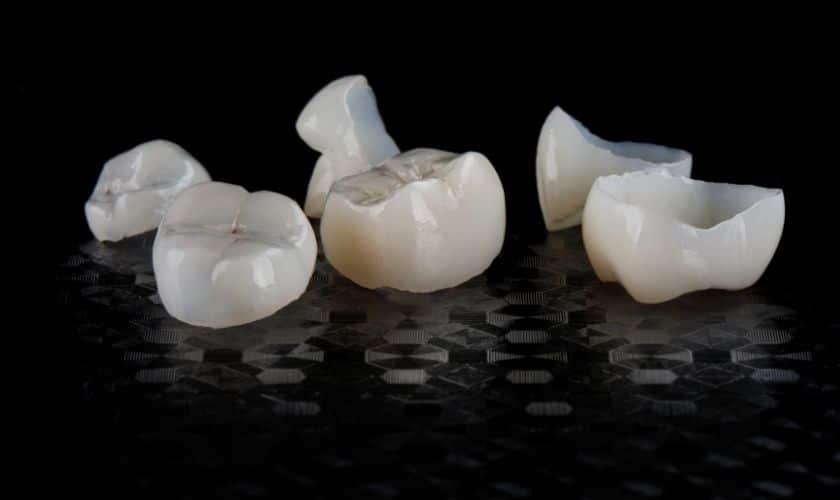
Have you ever chipped a tooth or experienced severe decay that has left your smile looking less than perfect? If so, you’re not alone. Many people experience dental damage at some point in their lives, and it can be both painful and embarrassing. Luckily, there is a solution: getting a crown for your damaged teeth! Dental crowns are an effective way to restore the appearance and function of damaged teeth while also protecting them from further harm. In this blog post, we’ll explore the benefits of getting a crown, the different types available, how to care for them properly, and more. So let’s dive in and discover why getting a crown may be exactly what your smile needs!
The purpose of a dental crown
A dental crown is essentially a cap that fits over a damaged or weakened tooth. It’s designed to cover the entire visible portion of the tooth, providing both protection and aesthetic benefits.
One of the primary purposes of a dental crown is to restore the function of a damaged tooth. When teeth are chipped, cracked, or decayed, they can become weak and painful. A crown helps protect the remaining healthy portions of the tooth while also restoring its ability to function properly when biting and chewing.
Another important purpose of dental crowns is their cosmetic benefit. If you have discolored teeth or other aesthetic issues with your smile, getting a crown can help improve your appearance by covering up those imperfections.
Dental crowns are also commonly used after root canal therapy. This procedure involves removing infected tissue from inside a tooth in order to save it from extraction. Once completed, a crown is placed on top of the treated tooth to prevent further damage and provide additional strength.
Dental crowns serve an essential role in modern dentistry as both functional and cosmetic tools for restoring damaged teeth back to health!
The different types of crowns
When it comes to dental crowns, there are various types available that cater to the different needs of patients. The most common materials used for making crowns include porcelain, ceramic, metal alloy and resin.
Porcelain or ceramic crowns are often preferred by people who want a crown that closely resembles their natural teeth in terms of color and texture. These types of crowns are great for restoring front teeth as they provide an excellent aesthetic appeal.
Metal alloy crowns, on the other hand, offer superior strength and durability compared to porcelain or ceramic ones. They are great for restoring molars which undergo more wear and tear due to chewing.
Resin crowns are a budget-friendly option but may not last as long as other types of crowns and can be prone to chipping or cracking.
Apart from these common materials, patients also have the option of getting zirconia or gold alloys depending on their personal preferences and specific dental needs.
It is important to consult with your dentist about the different types of crown options available so you can make an informed decision based on your unique situation.
The benefits of getting a crown
Getting a crown for your damaged tooth can provide you with several benefits, both cosmetic and functional. One of the most significant advantages is that it helps to restore the function of your tooth. Crowns act as a protective cap over your teeth, shielding them from further damage or decay. They also help to distribute bite forces evenly, which prevents wear and tear on other teeth.
Another benefit of getting a crown is that it can improve the appearance of your smile by covering up any visible imperfections in your teeth. Crowns are available in different materials such as porcelain or ceramic, which mimic natural tooth color and texture perfectly.
A dental crown will last for years if maintained properly with regular brushing and flossing. It’s important to choose an experienced dentist who has proper training in placing crowns correctly so they won’t fall off easily.
Moreover, another advantage of getting a dental crown is that it reduces sensitivity caused by exposed nerves due to chips or cracks in the tooth enamel. A well-fitted crown covers up these sensitive areas effectively giving relief from pain when biting down on food.
Dental crowns offer several benefits ranging from improving the functionality of damaged teeth to enhancing their appearance whilst reducing sensitivity caused by nerve exposure.
The process of getting a crown
Getting a dental crown is a common procedure that involves several steps. The process typically takes two appointments to complete, and it’s important to understand what happens during each visit.
During the first appointment, your dentist will prepare your damaged tooth by removing any decay or old fillings. They will then shape the remaining tooth structure to make room for the crown. After shaping the tooth, they will take impressions of your teeth and send them off to a dental lab where they will create your custom crown.
While you wait for your permanent crown to be made, you’ll receive a temporary crown that protects the prepared tooth until your next appointment. This temporary restoration can help prevent sensitivity and discomfort while eating or drinking.
At the second appointment, usually within 2-3 weeks after the first one, your dentist removes your temporary crown and checks how well it has protected against gum irritation caused due access food particles entering in between the gum line and temporary crowns as there are few spaces left during the preparation procedure. Then he/she places the permanent crown on top of the prepared tooth using cement or adhesive material.
After cementing into place properly with accuracy which was taken care into consideration from all angles before placing an original impression order at lab so that a perfect fit could be achieved without leaving gaps between teeth creating spaces harmful for healthy gums in the future requiring more treatment(s).
Getting a dental crown may seem like an intimidating process but it’s actually quite simple! With proper care and maintenance after placement ensures long term durability of up-to 10 years if appropriate oral hygiene practices are followed regularly along with routine checkups at least twice-yearly basis with dental professional advice on time intervals depending upon patient history records being maintained internally.
How to care for your crown
Caring for your crown is essential to keep it in good condition and ensure its longevity. Here are some tips on how to care for your crown:
1. Brush and floss regularly: Just like natural teeth, crowns require regular brushing and flossing to remove plaque buildup.
2. Avoid hard foods: Crowns can be damaged by biting or chewing on hard foods such as ice, popcorn kernels, or hard candy.
3. Use a mouthguard for sports: If you play contact sports, wearing a mouthguard can help protect your crown from damage due to impact.
4. Visit the dentist regularly: Regular dental visits are important to check the condition of your crown and ensure that there are no issues with surrounding teeth or gums.
5. Avoid using your teeth as tools: Using your teeth to open packages or bottles can put unnecessary pressure on the crown and cause damage over time.
By following these simple tips, you can help maintain the health of your crown and avoid costly repairs down the road. Remember, prevention is key when it comes to dental care!
When to see a dentist for a crown
When it comes to dental crowns, timing is crucial. You may need a crown for various reasons, but how do you know when it’s time to see your dentist? Here are some signs that indicate you may need a crown.
If you have a cavity that is too large for a filling, then your dentist might recommend getting a crown instead. A large cavity weakens the tooth structure and makes it more prone to further damage or breakage.
If your tooth has undergone root canal treatment, your dentist will likely suggest placing a crown over the tooth. Root canal therapy removes infected pulp from within the tooth, leaving it hollowed out and fragile.
If you have fractured or chipped teeth due to injury or impact trauma on the mouth area, getting crowns can help restore their appearance and function.
If you grind or clench your teeth at night (bruxism), there’s an increased likelihood of wearing down enamel and damaging teeth over time. In such cases where extensive wear occurs consistently over many years leading up to cracks in teeth which require support with a dental crown.
In general terms though – If you experience any discomfort while eating or drinking hot/cold foods/drinks- then seeking advice from your dentist would be ideal as this could lead to needing dental work done including potentially requiring crowns depending on the severity of issues faced by the patient.
Conclusion
Getting a dental crown offers numerous benefits for those with damaged or decayed teeth. With various types of crowns available and an easy process to receive them, there’s no reason not to consider this option if you’re experiencing tooth pain or discomfort.
Whether it’s improving your oral health, restoring the appearance of your smile, or preventing further damage to your teeth, a crown can do wonders for your overall well-being. Just remember to take proper care of your new crown and schedule regular checkups with your dentist.
So don’t hesitate – speak with a dental professional today about whether a crown is right for you!