
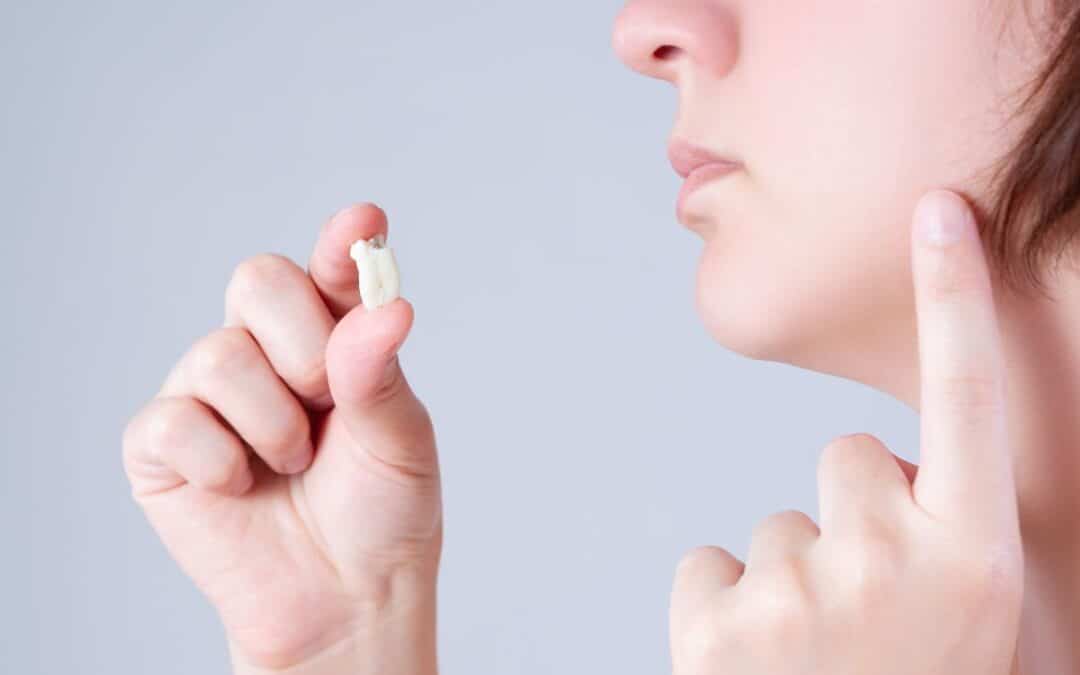
A tooth extraction is sometimes necessary to maintain dental health, relieve pain, or prepare for further treatments. While the procedure itself is straightforward, caring for your mouth properly afterward is essential to ensure smooth healing and prevent complications like infections or dry sockets. Here are some helpful tips to promote a safe and comfortable recovery.
1. Follow Your Dentist’s Instructions
First and foremost, follow all specific aftercare instructions provided by your dentist or oral surgeon. These instructions are tailored to your procedure and health needs, ensuring you have the best possible recovery.
2. Keep the Gauze in Place
After your tooth extraction, your dentist will place gauze over the extraction site to control bleeding and help form a clot. Bite down gently on the gauze for 30–45 minutes, replacing it as needed with fresh gauze. Avoid touching or disturbing the site, as this can delay clot formation and healing.
3. Apply Cold Compresses
For the first 24 hours, apply a cold compress to your cheek near the extraction area. This can help reduce swelling and minimize discomfort. Try placing the compress for 15-20 minutes, then take a break before reapplying.
4. Avoid Rinsing for 24 Hours
While it might be tempting to rinse out your mouth, avoid doing so for the first 24 hours. Rinsing too soon can dislodge the clot that’s necessary for healing. After 24 hours, you can gently rinse with a saltwater solution (1/2 teaspoon of salt mixed in a cup of warm water) to keep the area clean.
5. Eat Soft Foods
Stick to a soft-food diet for the first few days, as chewy or hard foods can irritate the area and increase the risk of complications. Good options include applesauce, yogurt, soup, scrambled eggs, and mashed potatoes. Avoid drinking through a straw, as the suction can disturb the healing clot.
6. Rest and Take It Easy
Physical activity can increase blood flow, which might lead to excessive bleeding from the extraction site. Rest as much as possible for the first 24–48 hours and avoid strenuous exercise. This can help minimize discomfort and give your body a better chance to heal.
7. Avoid Smoking or Alcohol
Smoking and alcohol can interfere with the healing process and increase the risk of infection or complications. Try to avoid both for at least 72 hours after the extraction, as smoking can lead to a dry socket, a painful condition caused by the clot dislodging from the socket.
8. Take Medications as Prescribed
Your dentist may prescribe pain relievers or antibiotics to prevent infection and manage discomfort. Take all medications as directed, and avoid skipping doses. Over-the-counter pain relievers, such as ibuprofen, may also help with any mild pain or swelling.
9. Maintain Gentle Oral Hygiene
Continue brushing and flossing your teeth, but be careful to avoid the extraction site. Use a soft-bristled toothbrush, and steer clear of the affected area until it has fully healed. When rinsing, remember to do so gently and avoid vigorous swishing.
10. Monitor for Signs of Complications
While mild discomfort and swelling are normal, be on the lookout for symptoms that could indicate complications, such as:
- Severe pain several days post-extraction
- Persistent bleeding
- Swelling that doesn’t improve
- Signs of infection, like fever or pus at the extraction site
If you experience any of these symptoms, contact your dentist promptly for guidance.
Conclusion
Following these aftercare tips can make a big difference in your recovery after a tooth extraction. By taking the right steps, you can help ensure a smooth healing process and reduce the risk of complications, leading to a healthy, pain-free smile.