
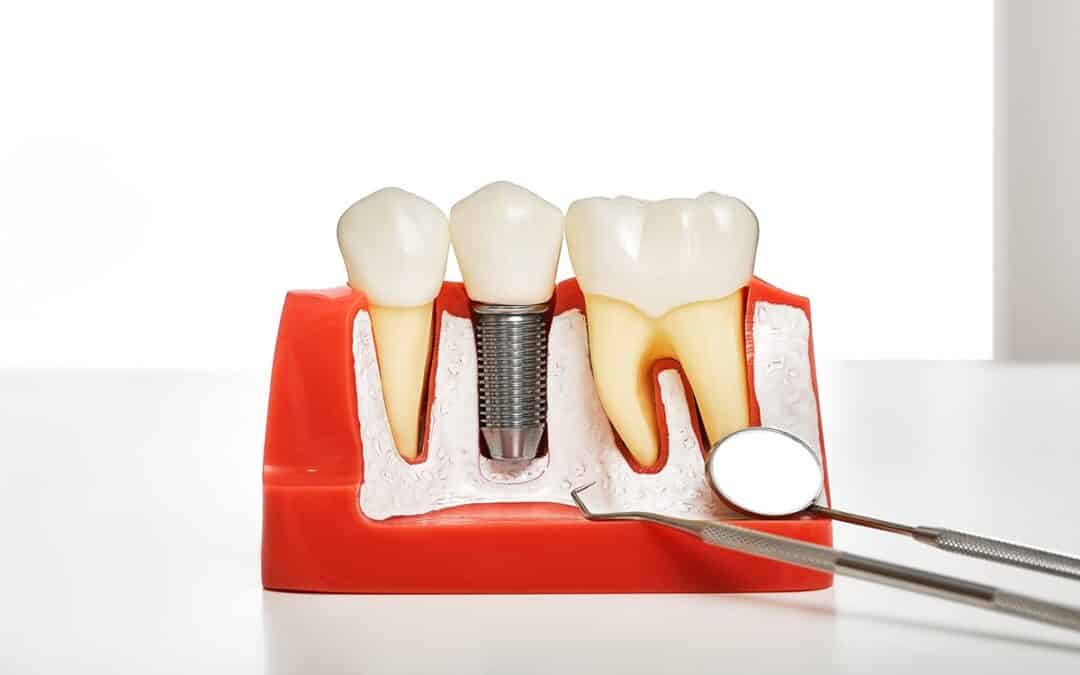
Dental implants are a transformative solution for replacing missing teeth, offering a long-term, natural-looking restoration. However, like any surgical procedure, there are risks involved. Understanding the factors leading to treatment failure is essential for anyone considering this option. This blog discusses the top 10 reasons dental implants may fail and how to avoid them.
1. Poor Bone Quality And Quantity
Insufficient bone structure is one of the most common causes of implant failure. A solid foundation of bone is required for an implant to integrate with the jaw successfully. If the bone is too soft, thin, or has been resorbed due to tooth loss, it may not provide the necessary support. Bone grafting can often be performed before the placement to address this issue and ensure better results.
2. Infection At The Surgical Site
Poor post-surgical care, inadequate oral hygiene, or pre-existing oral conditions can cause infection at the site of the surgery. Infections can disrupt the healing process and, in severe cases, lead to rejection of replacement teeth. Ensuring proper oral hygiene and following your dentist’s aftercare instructions is vital for preventing infections.
3. Smoking And Tobacco Use
Smoking is a potential risk factor for prosthetic teeth. Nicotine constricts blood flow, reducing the oxygen and nutrients reaching the surgical site, significantly impairing healing. Smokers are also at a higher risk of gum disease, which can affect the new tooth. If you are considering dental implants, quitting smoking before surgery will increase your chances of success.
4. Insufficient Oral Hygiene
Good oral hygiene is paramount to the success of the implant after surgery. Failing to clean the area around the surgical site properly can result in plaque buildup, leading to peri-implantitis. This type of gum disease can damage the bone and cause artificial tooth root failure. Regular brushing, flossing, and routine professional cleanings are crucial for maintaining the health of new teeth.
5. Pre-Existing Health Conditions
Certain medical conditions can increase the risk of implant failure. Diabetes, for instance, can impair the body’s ability to heal and increase the likelihood of infection. Conditions that affect the immune system or circulation, like heart disease or rheumatoid arthritis, can also make healing challenging. It is essential to discuss any health concerns with your implant dentist prior to surgery to assess your suitability for prosthetic teeth.
6. Implant Misplacement
Proper implant placement is essential for ensuring the success of the procedure. Positioning the fixture incorrectly can affect the restoration’s function, stability, and appearance. An experienced implant dentist uses advanced imaging and technology to plan the surgery and place the fixture in the optimal location. Poor placement can lead to complications or implant failure.
7. Overloading The Artificial Tooth Root
Prosthetic teeth are designed to bear the forces of biting and chewing, but excessive pressure can cause them to fail. Overloading can happen if the implant is placed too early or the bite is incorrectly balanced. It is crucial to allow enough time for the fixture to integrate fully with the bone before placing a crown or applying significant pressure.
8. Allergic Reactions
Though rare, some patients have an allergic reaction to the materials used in dental restoration, most commonly titanium. This can interfere with the body’s healing process and potentially cause rejection of the implant. If you have a known sensitivity to metals, discussing alternative materials with your dentist during the consultation is essential.
9. Age And Bone Maturity
Age can play a role in the success of dental implants. Older adults may experience slower healing and reduced bone density, which can impact the stability of the artificial tooth. On the other hand, it should not be placed in younger patients until their bones have fully matured, as the jaw may still be growing.
10. Failure To Follow Post-Operative Care Instructions
After the surgery, following post-surgical care instructions is essential for avoiding complications. This includes taking medications as prescribed, avoiding hard foods, and following any dietary restrictions. Ignoring these instructions can lead to swelling and discomfort.
Visit Our Dental Office To Evaluate Your Candidacy For Restorative Dental Work
Not every patient is eligible for dental implants. It is essential to consult a professional implant dentist to understand your eligibility. At our dental office, we specialize in restorative dental procedures and provide a comprehensive evaluation to determine if the treatment is the right solution for you. Our team will assess your oral health, medical history, and bone structure to ensure you are a suitable candidate for the procedure. We will guide you from initial planning to post-surgical care to ensure a smooth and successful outcome.
Book An Appointment Today
Are you ready to restore your smile? Schedule an appointment today with Dr. Chris A Mott, DDS, to achieve a brighter, functional smile with implanted teeth. Our dedicated team is here to guide you through the process and help you enjoy the benefits of a durable, natural-looking smile.