
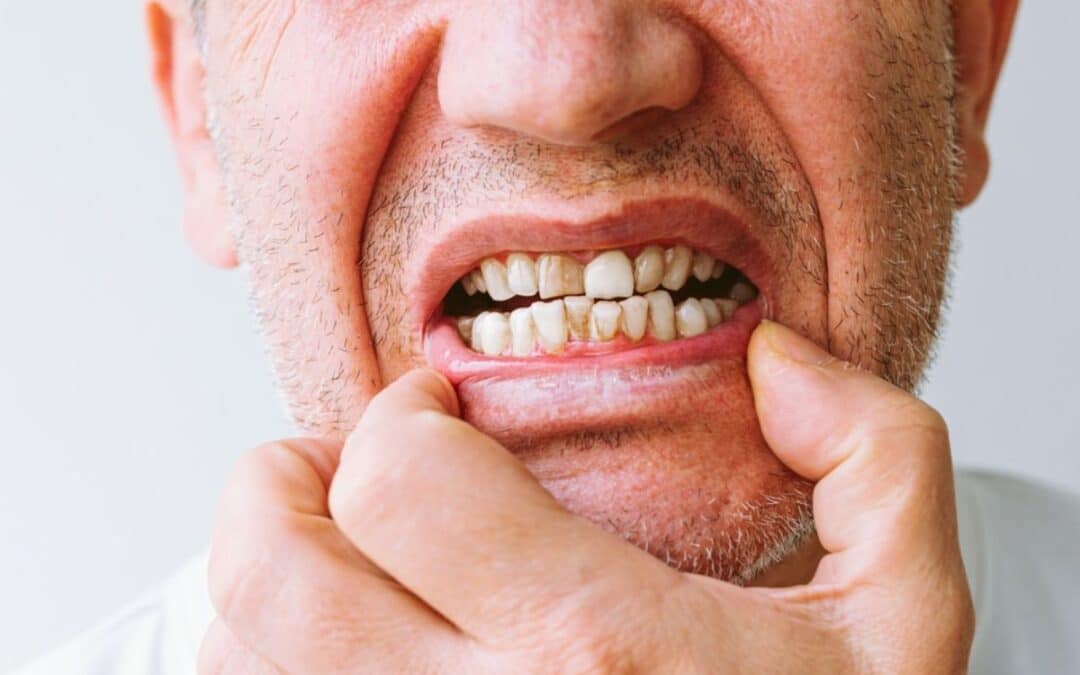
We all strive for a dazzling smile, but often, the health of our gums takes a backseat to the sparkle of our teeth. This oversight, however, can have serious consequences. Gum disease, also known as periodontal disease, is a common condition that many people unknowingly suffer from. While it might start subtly, its impact can extend far beyond your mouth, affecting your overall health and well-being. Ignoring gum disease is akin to ignoring a ticking time bomb – eventually, it will explode, causing significant damage.
What Exactly is Gum Disease? Understanding the Basics
At its core, gum disease is an infection and inflammation of the gums and the surrounding bone that supports your teeth. It typically begins when plaque, a sticky film of bacteria, builds up on your teeth. If not removed through regular brushing and flossing, plaque hardens into tartar, which is much more difficult to remove and provides a rough surface for more bacteria to adhere to.
The initial stage of gum disease is called gingivitis. This is characterized by red, swollen, and easily bleeding gums. While alarming, gingivitis is reversible with good oral hygiene and professional dental cleanings. Many people experience gingivitis without realizing the potential for it to escalate.
If gingivitis is left untreated, it can progress to periodontitis, a much more severe form of gum disease. In periodontitis, the inflammation spreads below the gum line, causing pockets to form between your teeth and gums. These pockets become breeding grounds for bacteria, and the infection begins to destroy the bone and tissue that hold your teeth in place. As the disease advances, teeth may loosen, shift, and eventually even fall out.
The Warning Signs: Recognizing the Red Flags
Being aware of the symptoms is crucial for early detection and intervention. Don’t wait for pain to prompt a visit to the dentist. Be on the lookout for:
- Red, swollen, or tender gums: Healthy gums are typically pink and firm.
- Bleeding gums: This is perhaps the most common early sign, often noticed during brushing or flossing.
- Persistent bad breath: Bacteria in your mouth contribute to unpleasant odors.
- Receding gums: Your teeth may appear longer as your gum tissue pulls away.
- Pus between your teeth and gums: This indicates an active infection.
- Loose or shifting teeth: A sign of significant bone loss.
- Changes in the way your teeth fit together when you bite: This can occur as teeth shift.
- Changes in the fit of partial dentures: As your gum and bone structure changes.
If you notice any of these signs, it’s imperative to schedule an appointment with your dentist promptly. For residents of Shreveport, finding a qualified dentist who understands the nuances of periodontal care is the first crucial step.
Beyond the Mouth: The Systemic Link
The notion that oral health is separate from overall health is a dangerous misconception. Research has increasingly demonstrated a strong connection between gum disease and various systemic health conditions. The bacteria and inflammation present in your mouth don’t stay confined to your gums; they can enter your bloodstream and contribute to problems throughout your body.
Some of the notable links include:
- Heart Disease and Stroke: The inflammation associated with gum disease is believed to play a role in the hardening and narrowing of arteries, increasing the risk of heart attacks and strokes.
- Diabetes: There’s a bidirectional relationship here. People with diabetes are more susceptible to gum disease, and severe gum disease can make it harder to control blood sugar levels.
- Respiratory Diseases: Oral bacteria can be inhaled into the lungs, potentially leading to respiratory infections like pneumonia.
- Pregnancy Complications: Pregnant women with gum disease may have a higher risk of preterm birth and low birth weight babies.
- Dementia: Emerging research suggests a possible link between chronic gum inflammation and an increased risk of cognitive decline.
These connections highlight that ignoring gum disease isn’t just about losing a tooth; it’s about safeguarding your entire body. We encourage you to visit our dental office to learn more about how we can help you maintain optimal oral and systemic health.
Prevention and Treatment: Taking Control of Your Oral Health
The good news is that gum disease is largely preventable and treatable, especially in its early stages.
Prevention is paramount:
- Brush your teeth twice a day: Use a soft-bristled toothbrush and fluoride toothpaste.
- Floss daily: This is critical for removing plaque and food particles from between your teeth and under the gum line.
- Regular dental check-ups and cleanings: Professional cleanings remove plaque and tartar that you can’t reach at home. Your dentist can also identify early signs of gum disease.
- Maintain a healthy diet: Limit sugary foods and drinks that contribute to plaque formation.
- Avoid smoking and tobacco products: Smoking significantly increases the risk and severity of gum disease.
If you’ve already developed gum disease, your dentist will recommend a treatment plan tailored to your condition. This may include:
- Professional dental cleanings: More frequent and specialized cleanings to remove tartar.
- Scaling and root planing: A deep cleaning procedure that removes tartar and smooths the root surfaces, making it harder for bacteria to adhere.
- Medications: Antibiotics or antimicrobial rinses may be prescribed.
- Surgery: In advanced cases, surgical procedures may be necessary to reduce pockets, regenerate lost bone, or graft gum tissue.
Don’t Let Gum Disease Define Your Health
Your smile is a window to your health, and healthy gums are its foundation. Ignoring gum disease is a gamble with far-reaching consequences, not just for your teeth but for your entire body. By understanding the signs, practicing good oral hygiene, and seeking professional dental care, you can prevent or manage gum disease and safeguard your overall well-being. Don’t delay – book an appointment with us today and take the first step toward healthier gums and a healthier you. Prioritize your gums today, and enjoy a healthier, happier future.