
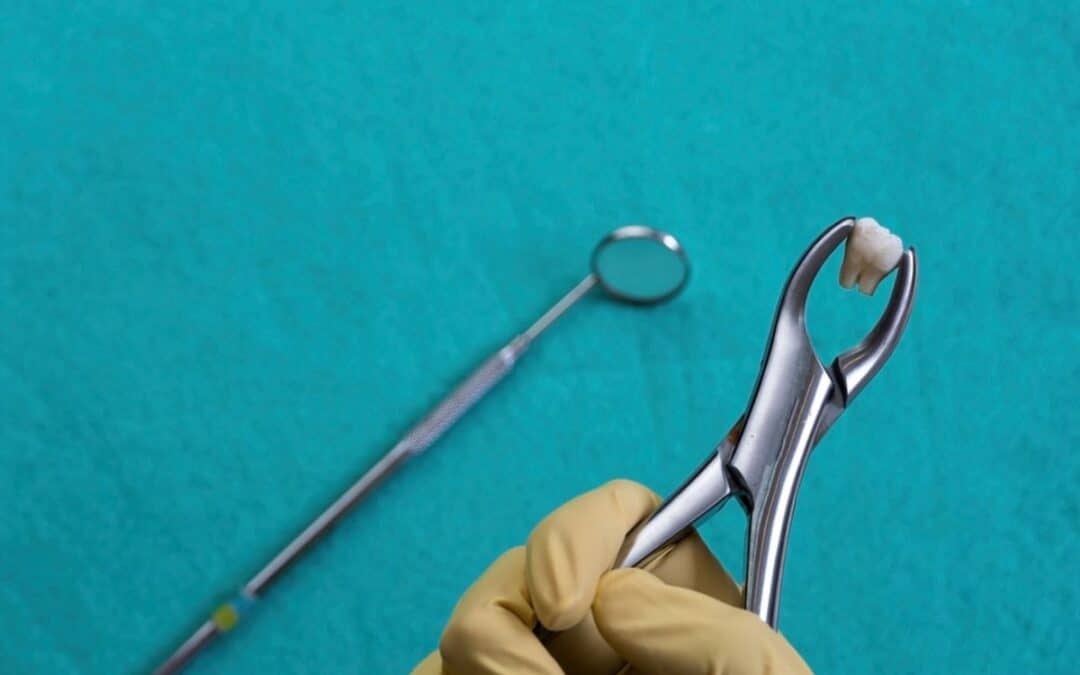
Getting a tooth pulled out sounds scary, but sometimes it’s the best way to keep your mouth healthy. Dentists always try to save natural teeth, but in some cases, removing a tooth is the safest option. In this article, we’ll explain why tooth extractions are sometimes necessary, what happens during the procedure, and how to take care of yourself afterward.
Common Reasons for Tooth Extraction
Severe Tooth Decay
Tooth decay, or cavities, occurs when bacteria damage the outer layer of your tooth. If the infection reaches the center of the tooth, called the pulp, it can cause pain and infection. When a root canal isn’t enough to fix the problem, removing the tooth is the best solution to stop the infection from spreading.
Advanced Gum Disease
Gum disease is a serious condition that affects the tissues and bones that support your teeth. If it becomes severe, teeth can become loose. When a tooth no longer has enough support to stay in place, it may need to be removed to protect your overall oral health.
Impacted Wisdom Teeth
Wisdom teeth are the last set of molars to appear, usually in the late teens or early twenties. Sometimes, there isn’t enough space in the mouth for them to grow properly, which can cause pain, infection, and damage to nearby teeth. In these cases, tooth extractions are often recommended.
Overcrowding and Braces
If your teeth are too close together, your dentist or orthodontist may suggest removing one or more teeth to create space. This helps straighten your teeth and improve alignment, especially when getting braces or Invisalign.
Injury or Broken Teeth
Accidents or injuries can damage teeth beyond repair. If a tooth is cracked or broken in a way that can’t be fixed with a filling or crown, extraction may be the only option to prevent infection and further problems.
Infection and Abscess
A severe tooth infection can create an abscess, which is a painful, swollen area filled with pus. If the infection spreads and antibiotics don’t help, removing the tooth may be necessary to prevent it from spreading to other parts of the body.
Preparing for Dentures
If you need full or partial dentures, some teeth might need to be removed to ensure a comfortable fit. This is especially true if the remaining teeth are weak, badly damaged, or causing problems with bite alignment.
The Tooth Extraction Process
Dental Examination
Before removing a tooth, the dentist will examine your mouth and take X-rays to understand the tooth’s position and condition. They will explain the procedure, any risks, and possible alternatives.
Types of Tooth Extractions
- Simple Extraction: Used when a tooth is visible. The dentist numbs the area, loosens the tooth, and removes it with special tools.
- Surgical Extraction: Needed for teeth that are broken, impacted, or difficult to reach. The dentist may need to make a small cut in the gum to remove the tooth, sometimes under general anesthesia.
What Happens During the Procedure?
- The dentist will numb the area or give sedation to keep you comfortable.
- The tooth is carefully loosened and removed.
- If needed, stitches may be placed to close the area.
- A piece of gauze is placed over the site to help stop bleeding and form a blood clot.
Recovery and Aftercare
How to Take Care of Yourself After an Extraction
Proper care is important to heal quickly and avoid complications like dry sockets (when the protective blood clot is lost). Here’s what you should do:
- Stop the Bleeding: Bite gently on gauze until the bleeding slows down.
- Manage Pain: Take pain medicine as prescribed by your dentist.
- Reduce Swelling: Apply an ice pack on your cheek for 10-15 minutes at a time.
- Avoid Straws and Smoking: Sucking motions can disturb the blood clot and slow healing.
- Eat Soft Foods: Stick to mashed potatoes, yogurt, or soup for the first few days.
- Keep Your Mouth Clean: Brush gently around the area and rinse with warm salt water after 24 hours.
When to Call Your Dentist
Contact your dentist if you notice:
- Heavy bleeding that doesn’t stop
- Severe pain that doesn’t improve with medication
- Signs of infection like fever, swelling, or pus
- Dry socket symptoms (sharp pain and an empty-looking socket)
Alternatives to Tooth Extraction
Whenever possible, dentists try to save teeth rather than remove them. Some alternative treatments include:
- Root Canal: Removes infection from inside the tooth without extracting it.
- Dental Crowns: Protect and strengthen a weak or damaged tooth.
- Gum Disease Treatment: Special cleanings and treatments can help stabilize loose teeth.
Conclusion
Sometimes, tooth extractions are the best option to keep your mouth healthy. Removing a tooth can prevent pain and bigger health issues, whether due to decay, gum disease, wisdom teeth problems, or injury. If you think you might need a tooth pulled, talk with Dr. Chris A Mott DDS, we are committed to providing high-quality dental treatments in a comfortable environment. Call us at 318-553-5993 or schedule an appointment today to get started on the path to leading a painless life.