
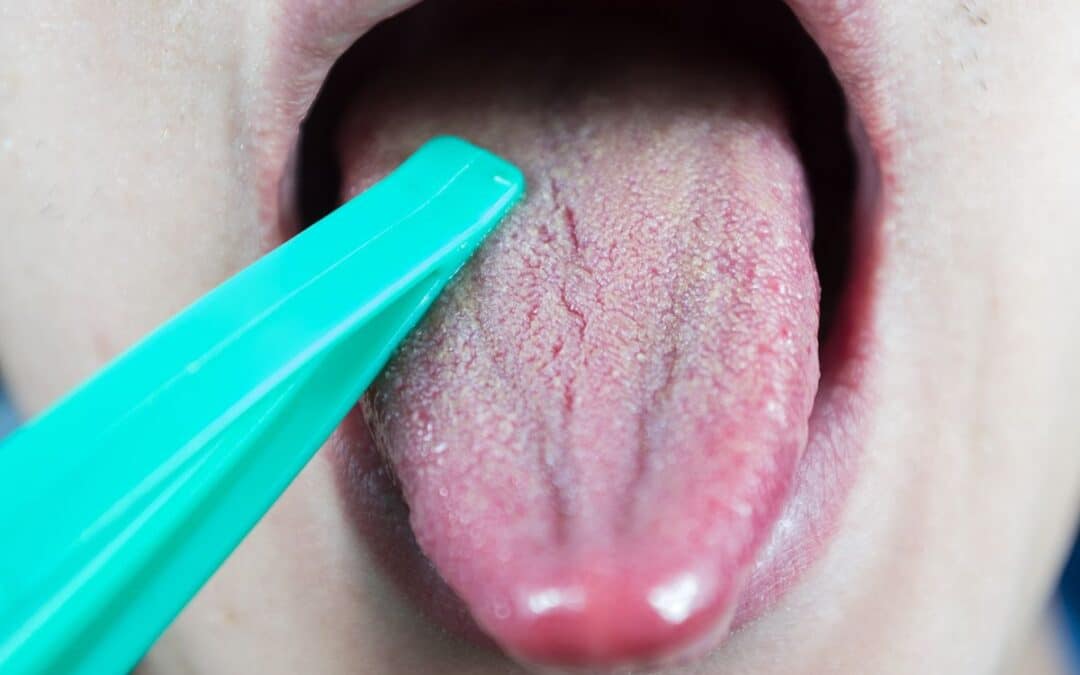
Does your tongue look coated, pale, or white when you check it in the mirror? You are not alone. Millions of Americans deal with this issue at some point in their lives, and many people in Shreveport, Bossier City, Caddo Parish, and surrounding communities struggle with it daily without knowing why it keeps coming back.
A coated or milky-white tongue is more than a cosmetic concern. It can signal poor oral hygiene, bacterial buildup, a fungal infection, or even an underlying health issue. According to research published by the National Institutes of Health, oral health problems, including tongue coating and related conditions, affect a significant portion of the U.S. adult population, with many cases going unaddressed for years.
If you have noticed a persistent white or off-white film on your tongue, especially if it comes with bad breath, a strange taste, or soreness, this blog is for you. We break down the real causes, what you can do at home, and when it is time to see a dentist who can identify and treat the root cause.
At Dr. Chris A. Mott DDS, located at 631 Milam St, Shreveport, LA 71101, we provide thorough oral evaluations and dental care that goes beyond just your teeth. Dr. Mott and our team serve patients across Shreveport, Bossier City, Greenwood, Caddo Parish, Hyde Park, and Sibley, and they understand the unique oral health patterns of people living in this region.
What Is White Tongue and Why Does It Keep Coming Back?
Your tongue is covered in tiny bumps called papillae. When these bumps swell up due to irritation or poor hygiene, bacteria, dead cells, food debris, and fungi get trapped between them. This buildup creates that white or grayish film you see on the tongue’s surface.
The frustrating part is that for many people, the coating clears up briefly, only to return. That cycle often indicates an underlying issue, not just a one-time occurrence, that requires proper attention and dental care.
Common Causes of a Coated or White Tongue
Understanding the cause is the first step toward a lasting solution. Here are the most frequent reasons people develop a white or coated tongue:
- Poor oral hygiene: Not brushing your tongue, skipping flossing, or using the wrong technique allows bacteria and debris to accumulate rapidly.
- Dry mouth: Saliva plays a key role in washing away bacteria. Dehydration, which is common in Louisiana’s hot and humid climate, reduces saliva flow and creates an environment where bacteria thrive.
- Tobacco use: Smoking, chewing tobacco, or vaping irritates the tongue’s surface and encourages abnormal cell growth and bacterial accumulation.
- Alcohol consumption: Frequent alcohol use dries out the mouth and disrupts the healthy balance of bacteria inside it.
- Oral thrush (Candida): This fungal infection causes thick white patches on the tongue and inner cheeks. It is more common in people with diabetes, weakened immune systems, or those taking antibiotics.
- Leukoplakia: White patches that do not scrape off can indicate leukoplakia, often linked to tobacco or alcohol use. While usually harmless, it requires monitoring since rare cases can progress.
- Oral lichen planus: This immune-related condition causes white streaks or patches on the tongue and may cause discomfort.
- Diet: Consuming too many spicy, acidic, or processed foods, common staples in Southern cuisine, can irritate the tongue and worsen buildup.
In Shreveport and communities like Hyde Park and Greenwood, outdoor work, hot weather, and dietary habits tied to the region’s culture can increase the likelihood of dry mouth and tongue coating. Recognizing these local lifestyle factors helps us give our patients more relevant dental care.
How to Reduce Tongue Coating at Home
These home steps can help reduce mild cases, but they work best as supporting habits alongside professional treatment, not as permanent fixes on their own.
- Use a tongue scraper: Gently scrape your tongue from back to front every morning. A tongue scraper removes far more buildup than a toothbrush alone.
- Brush your tongue daily: After brushing your teeth, spend 30 seconds brushing the surface of your tongue with a soft-bristle toothbrush.
- Drink more water: Aim for at least eight glasses per day. Staying well-hydrated keeps saliva flowing and flushes away bacteria. This is especially important during Shreveport’s warm months.
- Cut back on tobacco and alcohol: Both irritate oral tissue and promote conditions that lead to coating and bad breath.
- Use an antibacterial mouthwash: A fluoride-based or antiseptic rinse can help reduce the bacterial load in your mouth.
- Watch your diet: Limit acidic, spicy, and sugary foods that can irritate your tongue and feed harmful bacteria.
These habits can create real improvement over time. However, if the coating persists beyond two to three weeks, does not scrape off easily, causes pain, or keeps returning after you stop using it, it is time to seek professional dental care.
Professional Treatments That Can Permanently Clear Your Tongue
When home care does not resolve the issue, a dental professional can identify the exact cause and provide targeted treatment. Here is what professional evaluation and treatment may involve:
Comprehensive Oral Examination: A dentist will visually examine the tongue and surrounding tissues to determine whether the coating is due to bacterial buildup, a fungal infection, leukoplakia, or another condition.
Professional Dental Cleaning: A thorough cleaning removes plaque, tartar, and bacterial buildup from the teeth and gums, which directly reduces the bacterial load on the tongue as well.
Antifungal Treatment: If oral thrush (Candida) is the cause, your dentist or physician will recommend antifungal medication such as fluconazole or nystatin to clear the infection.
Leukoplakia Monitoring or Removal: If white patches do not respond to hygiene improvements and appear thick or cannot be scraped off, your dentist will monitor them closely. Surgical removal may be recommended in cases where there is a risk of the patches progressing.
Medication Review: Certain antibiotics and medications disrupt the oral bacterial balance. Your dentist can assess whether your medications are contributing and coordinate with your physician if needed.
Personalized Oral Hygiene Guidance: Beyond treatment, your dentist takes time to guide patients on proper brushing technique, tongue cleaning, and daily habits that prevent recurrence. This is where lasting results come from.
Getting the right diagnosis makes all the difference. Two patients with a white-coated tongue may need completely different treatments. One may need antifungal medicine, while the other needs to stop tobacco use and improve hygiene. That is why a professional evaluation is always the most reliable path forward.
Oral Health in Shreveport and the Surrounding Communities
Residents across Caddo Parish and nearby areas such as Sibley and Bossier City often put off dental visits due to busy schedules or uncertainty about whether their tongue issues warrant a trip to the dentist. The truth is, a persistent coated tongue that does not clear up on its own always deserves professional attention. Ignoring it can allow underlying conditions to worsen.
The good news is that help is closer than you think. Visit our dental office in Shreveport to get a clear answer on what is causing your tongue discoloration and walk away with a real plan, not just guesswork. Dr. Mott sees patients from across the greater Shreveport area and welcomes new patients looking for answers they have not been able to find on their own.
Take the First Step Toward a Healthier Mouth Today
A white or coated tongue is your mouth’s way of telling you that something needs attention. Whether it is a buildup of bacteria, a fungal infection, or a habit you need to change, the right treatment can clear it up and keep it from coming back.
Do not settle for temporary fixes that leave you wondering when the coating will return. At Dr. Chris A. Mott DDS, our team provides the thorough examination and dental care you need to address the root cause, not just the surface symptom. Patients across Shreveport trust this practice for honest, clear, and effective oral health care.
Book an appointment today and take the first real step toward a cleaner, healthier mouth. Your tongue and your overall health will thank you.
Frequently Asked Questions
Q1: What does a white coating on my tongue mean?
A white coating on the tongue usually means that bacteria, dead cells, and food debris have built up between the papillae on the tongue’s surface. It can also indicate a fungal infection, dry mouth, or a condition like leukoplakia. Getting a professional evaluation is the most reliable way to know exactly what is causing it and how to treat it correctly.
Q2: Can a white tongue go away on its own?
Mild cases caused by temporary dehydration or poor oral hygiene may clear up within a few days with improved brushing, hydration, and tongue scraping. However, if the coating persists for more than two to three weeks, keeps returning, or cannot be scraped off, it is important to see a dentist. Conditions like oral thrush or leukoplakia will not resolve on their own without proper treatment.
Q3: Is white tongue a sign of something serious?
In most cases, it is not serious and responds well to better oral hygiene. However, in some cases, it can indicate conditions that require medical attention, such as oral thrush, oral lichen planus, leukoplakia, o,r in rare cases, early signs of oral cancer. A dentist can examine the area and determine whether further evaluation is needed.
Q4: How do I clean my tongue properly?
Use a dedicated tongue scraper, starting at the back of the tongue and gently pulling forward, rinsing after each pass. You can also use a soft-bristled toothbrush to brush your tongue after brushing your teeth. Combine this with drinking plenty of water and using an antibacterial mouthwash for the best results. A dentist can also show you the most effective technique during your visit.
Q5: Can bad breath and white tongue be connected?
Yes, they often go hand in hand. The same bacteria and debris that cause a white coating on the tongue also produce sulfur compounds that result in bad breath. Cleaning your tongue consistently and addressing the root cause of the coating will typically also improve bad breath. A professional cleaning can provide immediate and noticeable relief.
Q6: How often should I visit the dentist if I have a recurring tongue coating issue?
If you experience recurring tongue coating, it is a good idea to schedule a visit as soon as possible to get a proper diagnosis. After the cause is identified and treated, your dentist will recommend a follow-up schedule, which may include more frequent cleanings. Staying consistent with dental visits helps prevent the coating from coming back and keeps your overall oral health on track.
Q7: Are there foods I should avoid to prevent tongue coating?
Yes. Spicy, acidic, and heavily processed foods can irritate the tongue and encourage bacterial buildup. Foods high in sugar feed harmful oral bacteria. Reducing alcohol consumption and avoiding tobacco also significantly lowers your risk. Your dentist can give you specific dietary guidance based on the cause of your condition and your overall oral health history.