
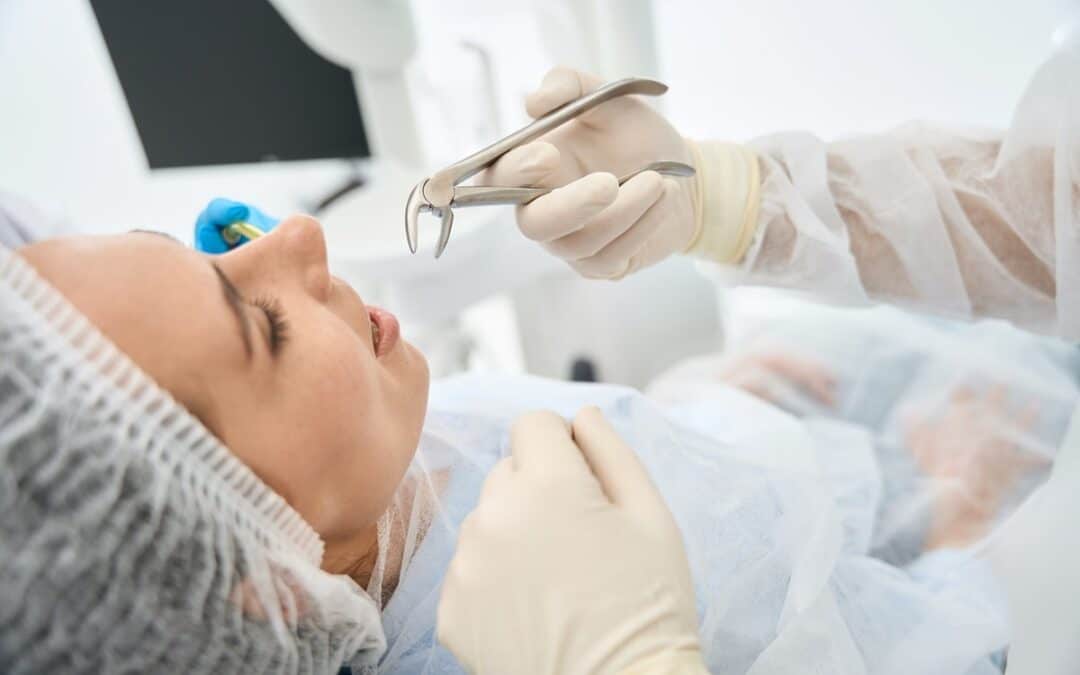
Getting a tooth pulled can really help, especially if you’re dealing with pain or damage that affects your everyday life. However, remember, how you heal afterward is just as important as the procedure itself. Sometimes, if the area doesn’t heal properly, an infection might develop. Knowing what signs to watch for can help you avoid complications and make your recovery go more smoothly. In places like Shreveport, where warm, humid weather can slow healing and promote bacterial growth. Festival seasons like Mudbug Madness often bring rich foods, making post-extraction care especially important to avoid irritation. It is especially important to be extra careful after dental visits. This blog explains signs and treatment options if you experience any infection after tooth removal surgery.
What Causes Infection After an Extraction?
After a tooth is removed, your body naturally forms a blood clot to help protect the area. This clot works like a barrier, keeping bacteria out. If it gets dislodged or doesn’t form correctly, the site can become more vulnerable. Common reasons for this include:
- Poor oral hygiene during recovery
- Smoking or using straws too soon
- Food debris trapped in the socket
- Existing gum or tooth infections
- Weak immune response
These factors can delay healing and allow bacteria to grow.
Why Timely Care Makes a Difference?
Ignoring symptoms can lead to more complex concerns. Infection can spread to nearby tissues and affect overall health. After enjoying spicy crawfish boils or rich Southern meals common in Shreveport, food particles can easily lodge in a healing socket. It can increase the risk of infection if proper care is not followed. These are the early care helpers:
- Control bacterial spread
- Reduce discomfort
- Support faster healing
- Prevent additional procedures
- How Is Infection Treated?
Tooth extractions depend on the severity of the condition. A careful evaluation determines the next step.
Signs You Should Not Ignore
Recognizing symptoms early helps prevent the issue from worsening. While mild discomfort is normal, certain signs indicate a deeper problem. Here are the symptoms:
Persistent or Increasing Pain
Pain should slowly get better over time. If it suddenly becomes sharper or starts spreading to nearby areas, it could be a sign of infection.
Swelling That Worsens Over Time
It’s perfectly normal to notice some swelling, but if it begins to worsen after a few days, don’t hesitate to reach out to your healthcare provider.
Unpleasant Taste or Bad Breath
A lingering foul taste can sometimes be a sign of bacteria building up at the site. Taking a moment to check it out can help ensure everything’s okay and give you peace of mind.
Pus or Discharge
Visible pus or oozing fluid can serve as a clear warning sign indicating that an infection or other underlying issue may be present, and it is important to seek medical attention promptly to address the condition.
Fever or Fatigue
Systemic symptoms indicate that the body is actively fighting an infection, reflecting a widespread response to the presence of pathogens throughout the body.
Delayed Healing
If the socket does not show any signs of healing within a week, it is important to conduct a further evaluation to determine the underlying cause and decide on the appropriate course of action.
How Can You Lower the Risk?
Taking preventive steps really makes a big difference in how well you recover.
- Keep the area clean without disturbing the clot
- Avoid smoking during healing
- Follow dietary guidelines carefully
- Stay hydrated
- Use prescribed rinses if recommended
Maintaining consistency in these steps really helps the body heal naturally.
What Should You Do If You Notice Symptoms?
Taking action early can help prevent things from getting worse. If you notice more discomfort or any unusual symptoms, it’s really important to seek care as soon as possible. Events like the Red River Revel can bring lots of people and busy times. This makes it easy to miss the early signs that something might be wrong. Ignoring these signals can lead to a longer recovery or more serious health issues, so it’s best to listen to your body and seek help promptly.
What Happens If an Infection Is Left Untreated?
Ignoring infection can cause serious issues. The bacteria might spread beyond the extraction area. Possible risks include:
- Damage to the surrounding bone
- Spread to nearby teeth or gums
- Systemic infection
- Increased discomfort and swelling
Prompt care prevents these outcomes and protects oral health.
How Long Does Healing Normally Take?
Healing is different for everyone. Usually, extraction sites get better within one or two weeks, but complete bone healing might take a bit longer. It’s really important to take good care of yourself during this time. On hot, humid summer days, more moisture in the air can impact oral bacteria. So paying extra attention to your post-extraction care is especially important.
Can Lifestyle Habits Affect Healing?
Daily habits really make a difference in recovery! Things like smoking, an unhealthy diet, and not taking good care of hygiene can hold back healing. But on the bright side, eating well and caring for yourself properly can really help tissue repair. To help your healing go smoothly, try to keep these important habits in mind:
- Follow aftercare instructions carefully
- Avoid disturbing the extraction site
- Maintain gentle oral hygiene
- Monitor for unusual symptoms
- Stay consistent with follow-up visits
Moving Toward a Healthier Recovery
Healing after a tooth removal requires attention and consistency. Recognizing early signs of infection helps prevent complications and supports better outcomes. Small steps during recovery can make a noticeable difference. If symptoms feel unusual or worsen over time, it is important to book an appointment without delay. Timely care helps protect both comfort and long-term oral health.
Take the Next Step Toward Safe Healing
Infections after extractions are something we can handle well with the right care and attention. Catching symptoms early makes a big difference in avoiding complications and helps your healing process go smoothly.
At Dr. Chris A Mott DDS, we provide personalized care that keeps a close eye on your healing and addresses any concerns quickly. If something doesn’t feel quite right during your recovery, don’t hesitate to reach out. Visit our dental office whenever you have concerns. We will restore your comfort and ensure your healing stays on track.
FAQs
1. How soon can an infection develop after a tooth is removed?
An infection can develop quickly, within a few days, if bacteria enter the socket. Early signs may appear within 48 to 72 hours. Monitoring symptoms during the first week helps catch problems early and keeps everything on track.
2. Is mild pain normal after a tooth removal?
It’s completely normal to experience some mild discomfort over the next few days, and remember, the pain should gradually get better. If you notice it becoming more intense or spreading, don’t hesitate to reach out, as it might be a sign that you need some extra care.
3. Can food get stuck in the extraction site?
It’s common for food particles to get stuck in the socket, and this can sometimes lead to infections. To keep everything clean and healthy, try gentle rinsing and following your aftercare instructions. These simple steps can really help prevent any buildup and keep you feeling your best!
4. Should swelling be a concern after extraction?
It’s perfectly normal to experience some swelling in the first few days, and it should gradually go down. However, if the swelling gets worse or stays the same, it could be a sign of infection, and it’s a good idea to have it checked out.
5. What should be avoided during recovery?
It’s best to avoid smoking, hard foods, and using straws to help the healing process go smoothly. These habits can disturb the healing site and might lead to complications, so taking it easy can make a big difference!