
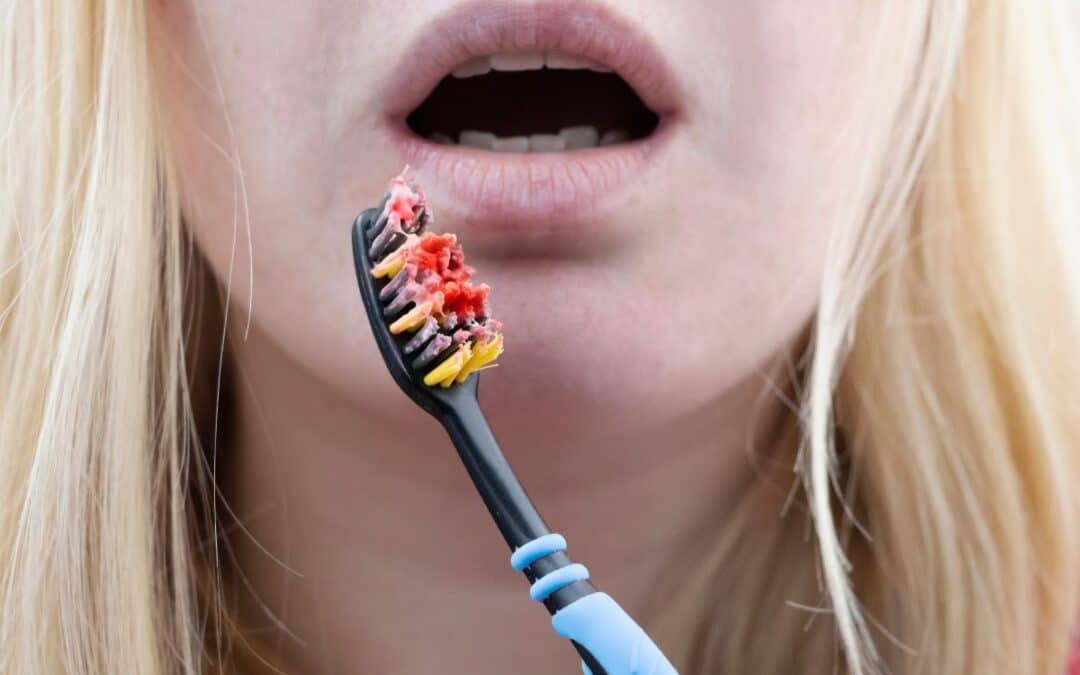
If you’ve ever experienced gum pain while brushing your teeth, you’re not alone. It’s a common issue that many people in Shreveport face, but it can be quite concerning when it happens regularly. Gum pain, especially when brushing, can vary from a mild irritation to a more intense, persistent ache. But is it something you should worry about, or is it just a temporary issue?
At Dr. Chris A. Mott, DDS, we understand how discomfort can interfere with your daily routine, and our goal is to help you understand what’s causing that gum pain and how to treat it. Dr. Mott and his team provide the best in oral care, offering personalized dental treatments to help keep your smile healthy and pain-free.
Let’s dive into the causes of gum pain while brushing, how to prevent it, and what trusted dental professionals recommend for treatment. If you’re looking for a dentist who prioritizes your comfort and well-being, you’ve come to the right place.
Understanding the Causes of Gum Pain While Brushing
Gum pain during brushing can arise from a variety of factors. The pain you feel isn’t always the same, and the underlying cause can range from minor to requiring professional treatment. Below are the most common causes of gum pain:
1. Gingivitis: The Early Stage of Gum Disease
Gingivitis is an inflammation of the gums, often due to plaque buildup along the gumline. It’s the earliest stage of gum disease and can cause discomfort when brushing, along with symptoms like redness, swelling, and occasional bleeding. Gingivitis is common and can typically be reversed with good oral hygiene, such as regular brushing, flossing, and professional cleanings.
2. Brushing Too Hard
A common but often overlooked cause of gum pain is brushing your teeth too aggressively. Many people use excessive force when brushing, thinking it’ll clean their teeth better, but this can irritate the gums and cause pain. Hard-bristle toothbrushes can also exacerbate the problem, as they are too abrasive for the gums.
3. Improper Brushing Technique
The way you brush matters. If you’re brushing in a back-and-forth motion or using a scrubbing technique, it can harm your gums and cause pain. A gentle, circular motion is much more effective and gentle on both your teeth and gums.
4. Tooth Sensitivity
Tooth sensitivity can sometimes cause discomfort that feels like gum pain. This happens when the enamel on your teeth has worn away, exposing the sensitive dentin underneath. The dentin can react to the pressure of brushing, causing discomfort that feels like it’s coming from your gums.
5. Tooth Decay and Cavities
In more severe cases, if tooth decay has reached the tooth’s roots or pulp, it can cause gum pain. This is usually accompanied by other symptoms such as toothaches, sensitivity to hot and cold, and bad breath.
6. Hormonal Changes (Pregnancy or Menstruation)
Hormonal shifts, especially during pregnancy, menstruation, or menopause, can affect the gums. Pregnancy-related gingivitis is common due to increased blood flow to the gums, making them more sensitive and prone to bleeding.
How to Prevent Gum Pain While Brushing
. Gum pain can often be prevented with the right approach to your oral care routine. Here are some actionable tips recommended by dental practitioners:
1. Brush Gently and Correctly
The most important factor in preventing gum pain is to brush gently. Avoid using excessive pressure, and choose a toothbrush with soft bristles. Brush using gentle, circular motions rather than aggressive back-and-forth movements to reduce the risk of gum irritation.
2. Floss Regularly
Flossing is just as important as brushing. It helps remove plaque and food particles stuck between your teeth and along your gumline, areas where your toothbrush might not reach effectively. Make sure to floss gently and regularly to keep your gums healthy.
3. Use the Right Toothpaste
If you have sensitive teeth, it’s important to choose a toothpaste formulated for sensitive teeth. These toothpastes contain compounds that help block the sensations from reaching the nerves of your teeth, reducing the pain you might feel while brushing.
4. Visit Our Dental Office for Routine Cleanings
Regular dental visits are crucial for maintaining gum health. Professional cleanings help remove plaque and tartar you can’t remove at home, preventing gum disease and other oral health issues. Dr. Mott recommends scheduling cleanings every six months for optimal oral health.
5. Consider Changing Your Toothbrush
If your toothbrush bristles are worn out or too hard, it’s time to replace them. Using a toothbrush with soft bristles and replacing it every 3-4 months can reduce the risk of gum irritation.
6. Maintain a Healthy Diet
Your diet plays a big role in your oral health. Eating a well-balanced diet that’s rich in vitamins and minerals can support your gum health. Additionally, drinking plenty of water throughout the day can help wash away food particles and prevent dry mouth, which can worsen gum irritation.
When Should You See a Dentist?
If you notice persistent gum pain, bleeding, or swelling after brushing, it’s essential to consult with a dentist. The professionals recommend not waiting for the problem to worsen. Early detection of gum disease, tooth decay, or other issues can help prevent more serious conditions. A dentist can offer treatments such as professional cleanings, scaling and root planing, or even restorative procedures if needed.
If you’ve been experiencing ongoing gum pain, it may be time to book an appointment for a thorough examination. Our team is here to help you identify the cause and provide the right dental treatment to keep your gums healthy and pain-free.
Don’t Ignore Gum Pain. Get the Care You Deserve
Gum pain while brushing should never be dismissed. It’s a sign that something might be amiss with your oral health. At Dr. Chris A Mott DDS, we believe in taking a proactive approach to gum health and overall dental care. Dr. Mott and his team are dedicated to providing comprehensive care to address the underlying causes of gum pain and other dental issues. Whether it’s a simple cleaning or a more advanced treatment, we’re here to help.
If you’re experiencing gum pain, don’t wait to seek treatment. Visit our dental office today for a consultation, and let us help you get your oral health back on track.
FAQs
1. Why does my gum hurt when I brush my teeth?
Gum pain when brushing is often caused by inflammation from plaque buildup, gingivitis, or improper brushing technique. It’s important to brush gently and use soft-bristled toothbrushes to prevent irritation.
2. Can gum pain be caused by brushing too hard?
Yes, brushing too aggressively with hard bristles or using too much pressure can damage the gums and cause pain. Be sure to use a soft-bristled toothbrush and brush with light pressure.
3. What can I do to relieve gum pain while brushing?
To relieve gum pain, use a soft-bristled toothbrush, avoid brushing too hard, and incorporate proper oral hygiene habits like flossing and using fluoride toothpaste.
To relieve gum pain, use a soft-bristled toothbrush, avoid brushing too hard, and incorporate proper oral hygiene habits like flossing and using fluoride toothpaste.
4. When should I see a dentist for gum pain?
If the pain persists for several days or is accompanied by bleeding or swelling, it’s a good idea to visit a dentist to rule out gum disease or other oral health problems.
5. Can gum pain lead to serious dental problems?
Yes, if left untreated, gum pain can progress to gum disease, which may lead to tooth loss and other serious dental issues. Regular dental care and early intervention are key to preventing complications.