
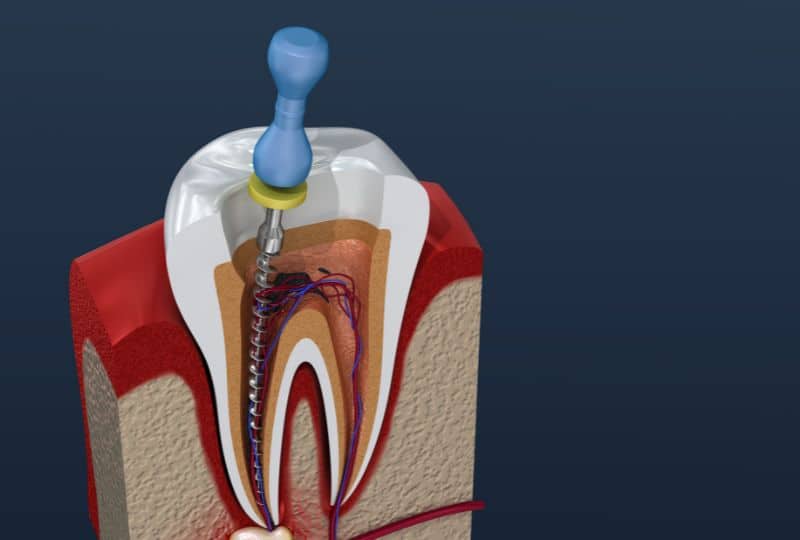
Are you experiencing severe tooth pain or sensitivity to hot and cold temperatures? If so, it may be time to consider root canal treatment. While the procedure may seem daunting at first, it can actually save your damaged teeth from requiring extraction. In this blog post, we’ll explore the different types of root canal treatment available, its major benefits, what to expect during the procedure and how to care for your teeth afterward. Plus, we’ll discuss some alternatives to root canal treatment if you’re not quite ready for such an intensive option. Keep reading to learn how a simple dental procedure like a root canal can be a smile saver!
The Different Types of Root Canal Treatment
There are two main types of root canal treatment: conventional and surgical. Conventional root canal treatment involves drilling a small hole in the tooth to remove infected or damaged pulp from the inside, cleaning the area thoroughly, then filling it with a special material to prevent future infection.
Surgical root canal treatment is typically used in more complex cases where conventional methods have failed. During this procedure, your dentist will make an incision into your gum tissue to access the affected area directly. This method allows for greater control and precision during surgery compared to other procedures.
Microscopic endodontics is another type of root canal treatment that uses advanced technology like high-powered microscopes and lasers to clean out even smaller spaces within teeth than traditional methods can reach. It’s especially useful for patients with narrow or curved roots.
Your dentist may recommend a specific type of root canal treatment based on factors such as the severity of damage, location within the mouth, and personal preferences. Regardless of which method you choose, getting prompt dental care can help save your natural teeth from further damage or decay down the line.
Major Benefits of Root Canal Treatment
Root canal treatment may sound intimidating, but it can save your teeth and prevent the need for extraction. Here are some of the major benefits of this procedure:
1. Pain relief:
Root canal treatment helps to alleviate tooth pain caused by infected or inflamed dental pulp.
2. Improved oral health:
When an infected tooth is left untreated, it can lead to further complications such as abscesses and gum disease. By removing bacteria from inside the tooth, root canal treatment helps prevent these problems from occurring.
3. Long-lasting results:
With proper care, a treated tooth can last a lifetime.
4. Preserves natural teeth:
Rather than resorting to extraction, root canal treatment allows you to keep your natural teeth intact.
5. Aesthetic benefits:
After undergoing root canal treatment, you may choose to have a crown placed on the treated tooth for added protection and aesthetic reasons.
Root canal treatment offers numerous benefits that make it worth considering if you’re experiencing dental pain or infection.
What to Expect during Root Canal Treatment?
Root canal treatment is a common dental procedure that helps repair and save damaged or infected teeth. If your dentist has recommended this treatment for you, it’s natural to feel anxious about what to expect during the process.
During the initial consultation, your dentist will examine your teeth and determine if you are a suitable candidate for root canal treatment. X-rays may also be taken to check for any signs of infection.
The actual procedure involves removing the infected pulp from inside the tooth and cleaning out the root canals. Your dentist will then fill in the space with a rubber-like material called gutta-percha and seal off the opening with adhesive cement.
Some patients may experience mild discomfort during or after the procedure, but this can usually be managed with over-the-counter pain relievers. It’s important to follow all post-treatment instructions provided by your dentist in order to ensure optimal healing.
While root canal treatment may seem daunting at first, it is a safe and effective way to rescue damaged teeth and prevent further oral health problems down the line.
How to Care for Your Teeth after Root Canal Treatment
After undergoing root canal treatment, it’s essential to take proper care of your teeth to ensure they remain healthy. Firstly, avoid biting or chewing with the treated tooth until you have fully recovered from the procedure. This will allow time for any inflammation or discomfort to subside.
Be sure to practice good oral hygiene by brushing and flossing regularly. It’s also important to attend regular check-ups with your dentist so that they can monitor your progress and make sure everything is healing as it should.
Avoid consuming foods and drinks that are high in sugar or acidic as these can weaken tooth enamel and contribute to decay. Instead, opt for a balanced diet rich in nutrients like calcium which help strengthen teeth.
If you experience any pain or discomfort after the procedure, over-the-counter painkillers can be used but always follow the instructions on the packet carefully.
By following these simple steps, you can rest assured knowing that your newly treated tooth will remain healthy and strong for years to come!
Alternatives to Root Canal Treatment
While root canal treatment is often the go-to solution for saving a damaged tooth, there are alternatives to consider. One alternative is extraction, which involves removing the entire tooth from its socket. However, this can lead to additional dental issues such as bone loss and shifting teeth.
Another option is pulp capping or pulpotomy, which involves removing only a portion of the infected pulp and placing a protective material over it. This method has a lower success rate than root canal treatment and may require further procedures in the future.
A newer alternative is regenerative endodontics, where stem cells or growth factors are used to regenerate damaged tissue within the tooth. While still considered experimental, this approach shows promise for maintaining natural teeth without resorting to extractions.
Ultimately, the best course of action will depend on individual circumstances and should be determined by consultation with a dental professional. It’s important to weigh all options carefully before making any decisions about your oral health.
Conclusion
Root canal treatment is an effective and safe procedure that can save damaged teeth from extraction. It provides relief from pain and discomfort caused by infected or inflamed pulp tissue while preserving the natural tooth structure. With proper care and maintenance, a treated tooth can last for many years. If you are experiencing any dental problems such as hot or cold sensitivity, pain while chewing, swelling or discoloration of gums surrounding a specific tooth then it’s time to consult your dentist. Root canal treatment may be the solution to your problem.