
In a world that often feels constantly on the move, quality sleep has become a precious commodity. The consequences of sleep disorders extend far beyond mere fatigue, impacting overall health and well-being. Fortunately, advancements in dental technology have introduced sleep appliances as a promising solution for those grappling with common sleep disorders.
Understanding Sleep Disorders:
Before delving into the role of sleep appliances, it’s crucial to grasp the prevalence and variety of sleep disorders affecting millions worldwide. Conditions such as sleep apnea, insomnia, and bruxism can disrupt sleep patterns, leading to a host of health issues. Sleep appliances offer a targeted approach to alleviate these concerns and promote restful sleep.
What Are Sleep Appliances?
Sleep appliances, also known as mandibular advancement devices (MADs) or dental splints, are custom-made devices prescribed by dental professionals to address specific sleep-related issues. These devices are designed to be worn during sleep, working to reposition the jaw and tongue to maintain an open airway and reduce the likelihood of interruptions in breathing.
The Role of Sleep Appliances in Sleep Apnea:
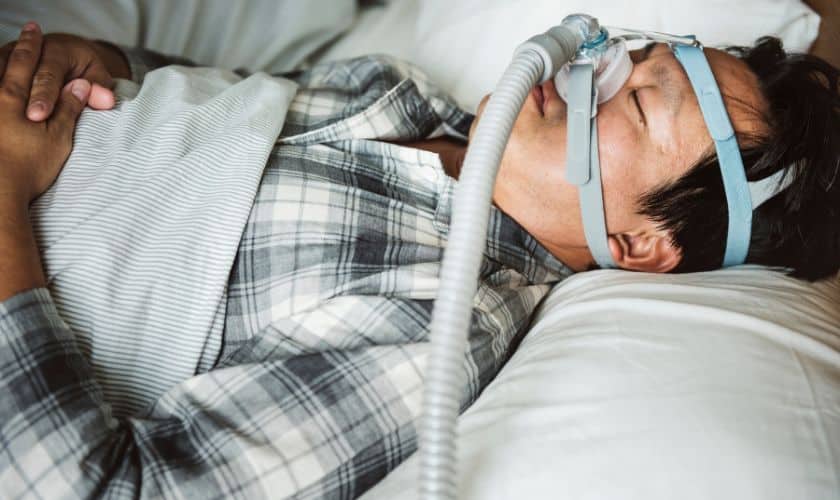
Sleep apnea, characterized by temporary pauses in breathing during sleep, is a common disorder that can have serious health implications. Sleep appliances offer a non-invasive alternative to Continuous Positive Airway Pressure (CPAP) machines, providing relief for those who find CPAP therapy cumbersome. By positioning the lower jaw forward, sleep appliances help prevent airway collapse, promoting uninterrupted breathing and sound sleep.
Combatting Insomnia with Sleep Appliances:
Insomnia, marked by difficulty falling or staying asleep, is another prevalent sleep disorder. Sleep appliances indirectly address insomnia by addressing contributing factors such as teeth grinding (bruxism) and temporomandibular joint (TMJ) disorders. By stabilizing the jaw and reducing muscle tension, these devices contribute to a more relaxed state conducive to better sleep quality.
The Bruxism Connection:
Bruxism, or teeth grinding, often occurs during sleep and can lead to dental issues, headaches, and disrupted sleep. Sleep appliances act as a protective barrier, preventing the damaging effects of teeth grinding while promoting a calm and restful sleep environment.
Customization for Optimal Results:
One of the key advantages of sleep appliances is their tailor-made nature. Dental professionals assess each patient individually, considering factors like jaw structure and the specific sleep disorder at hand. This customization ensures optimal effectiveness and comfort, addressing the unique needs of each individual.
User-Friendly and Convenient:
Unlike bulky CPAP machines, sleep appliances are discreet, comfortable, and easy to use. This user-friendly nature encourages consistent use, enhancing their effectiveness in managing sleep disorders. The convenience of these devices promotes patient compliance, a crucial factor in achieving positive outcomes.
Conclusion:
As our understanding of sleep disorders evolves, so does the arsenal of solutions available to those in search of a good night’s sleep. Sleep appliances stand out as a promising option, offering personalized, non-invasive interventions for conditions like sleep apnea, insomnia, and bruxism. By prioritizing sleep health and exploring these innovative devices, individuals can embark on a journey toward improved overall well-being.