
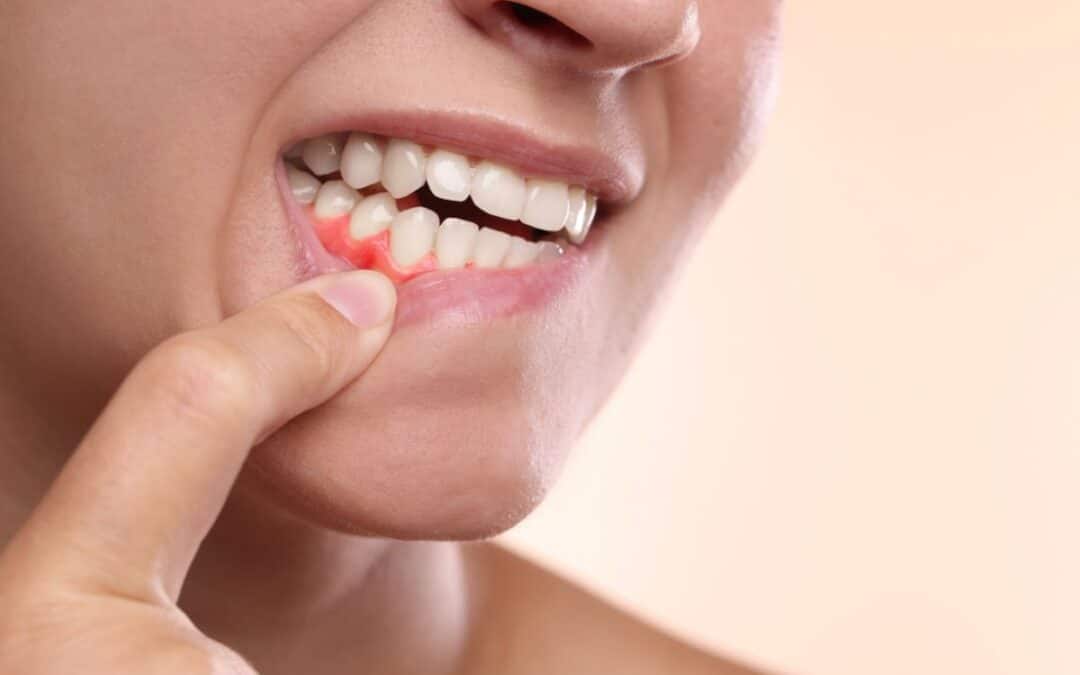
Gum disease can affect more than just your smile. It can impact your overall health, leading to serious complications such as tooth loss or systemic conditions like heart disease. However, they are preventable. By adopting a few simple habits, you can keep your gums healthy and your smile shining bright for years to come. Below are easy, effective tips to help you protect your gums from disease.
1. Brush Twice A Day
One of the most basic yet essential steps in preventing gum disease is properly brushing your teeth. You should brush at least twice a day — once in the morning and once before bed. Use a fluoride toothpaste and a soft-bristle toothbrush to gently clean your teeth and gums. Be sure to brush for at least two minutes, focusing on the gumline where plaque often builds up. Brushing too aggressively can damage your gums, so make sure your technique is gentle but thorough.
2. Floss Daily
Brushing alone isn’t enough to remove all the food particles and plaque that collect between your teeth. This is where flossing comes in. Flossing removes the debris and plaque that a toothbrush can’t reach, especially between the teeth and just below the gumline. It’s important to floss at least once a day, preferably before bedtime, to prevent bacteria from festering overnight. Make sure to use proper flossing technique — gently slide the floss up and down along each tooth, curving it around the tooth to clean just beneath the gumline.
3. Use Mouthwash
Mouthwash can be a helpful addition to your oral care routine. It helps reduce bacteria in your mouth, freshens your breath, and gives your gums an extra layer of protection. Look for an alcohol-free mouthwash that’s formulated to kill germs without drying out your mouth. Use mouthwash after brushing and flossing to help remove any remaining bacteria. While mouthwash isn’t a substitute for brushing or flossing, it can significantly enhance your oral hygiene and help prevent gum disease.
4. Eat A Balanced Diet
What you eat plays a significant role in your gum health. A balanced diet that includes plenty of fruits, vegetables, and lean proteins helps strengthen your immune system, which in turn helps fight off bacteria that cause gum disease. Nutrient-rich foods like vitamin C-packed citrus fruits, leafy greens, and calcium-rich dairy products support your gum health. Avoid sugary foods and drinks, as sugar can feed harmful bacteria that contribute to plaque buildup and gum infection.
5. Stay Hydrated
Drinking plenty of water is essential for maintaining overall oral health. Saliva is your mouth’s natural defence against plaque and bacteria, and staying hydrated helps your body produce enough saliva to flush away food particles and germs. Proper hydration can also prevent dry mouth, a condition that makes you susceptible to gum disease. Make sure to drink water throughout the day to keep your mouth moist and reduce the risk of infection.
6. Do Not Smoke
Smoking is one of the leading causes of gum disease. It weakens your immune system, reduces blood flow to your gums, and makes it harder for your gums to heal. Smoking can also lead to gum recession, making your teeth appear longer and exposing the roots to the risk of decay. If you smoke, quitting is one of the most effective ways to improve your oral health and prevent gum disease.
7. Visit Your Dentist Regularly
Even if you take great care of your teeth at home, it’s still essential to visit a dentist regularly. Professional cleanings every six months can help remove plaque and tartar that build up on your teeth over time. During these visits, your dentist will also check for signs of gum disease, such as gum recession, bleeding, or deep pockets between your teeth and gums. Early detection of gum disease can prevent it from progressing to more severe stages, which may require invasive treatments. You can visit our dental office if you are seeking a nearby dentist to address your oral concerns.
Additional Preventive Steps To Protect Your Gums
There are also a few lesser-known habits that can significantly help in protecting your gums:
- Tongue Hygiene: Gently brushing or using a tongue scraper to remove bacteria from the tongue’s surface can help reduce plaque buildup.
- Be Mindful After Meals: Wait at least 30 minutes before brushing after consuming acidic foods or drinks to prevent enamel erosion.
- Healthy Lifestyle: Reducing stress, maintaining a healthy weight, and managing chronic conditions like diabetes can help keep your immune system strong and your gums healthy.
Incorporating these steps into your daily routine supports not only your gum health but also your overall well-being.
Maintaining healthy gums doesn’t have to be difficult. By following these simple tips, brushing and flossing regularly, eating a balanced diet, and visiting your dentist, you can significantly reduce your risk of gum disease. If it’s been a while since your last visit, book an appointment with our trusted Shreveport dentist to get your gums checked and ensure you’re on track for a healthy smile. Taking preventive action today will pay off in the long run by protecting your oral health and overall well-being.
Frequently Asked Questions
Q1: Can gum disease develop even if I don’t have pain or other symptoms?
Yes — early gum disease may show no discomfort, yet bacteria and plaque can silently inflame gums. Regular check‑ups and cleanings help catch it before signs like bleeding or bad breath appear.
Q2: Is bleeding during brushing or flossing always a sign of gum problems?
Occasional minor bleeding may indicate early irritation, but frequent bleeding suggests inflammation or infection below the gum line. It’s smart to improve hygiene and get a professional evaluation to prevent progression.
Q3: Does poor oral hygiene always lead to gum disease, or are there other risk factors?
Poor hygiene is a primary cause, but additional factors — like smoking, systemic diseases, dry mouth, or genetics — also elevate risk. Managing these alongside good routines greatly reduces the chance of gum issues.
Q4: Can gum disease be reversed if caught early enough?
Yes — in early stages (like gingivitis), proper cleaning, improved oral care, and professional cleanings can reverse tissue inflammation and restore gum health. Once advanced bone or tissue damage occurs, full reversal becomes difficult.
Q5: Are regular dental cleanings really necessary if I brush and floss well?
Absolutely — even with diligent brushing and flossing, hardened plaque (tartar) can form below the gumline where brushes can’t reach. Professional cleanings remove this buildup and help prevent deeper gum infection.