
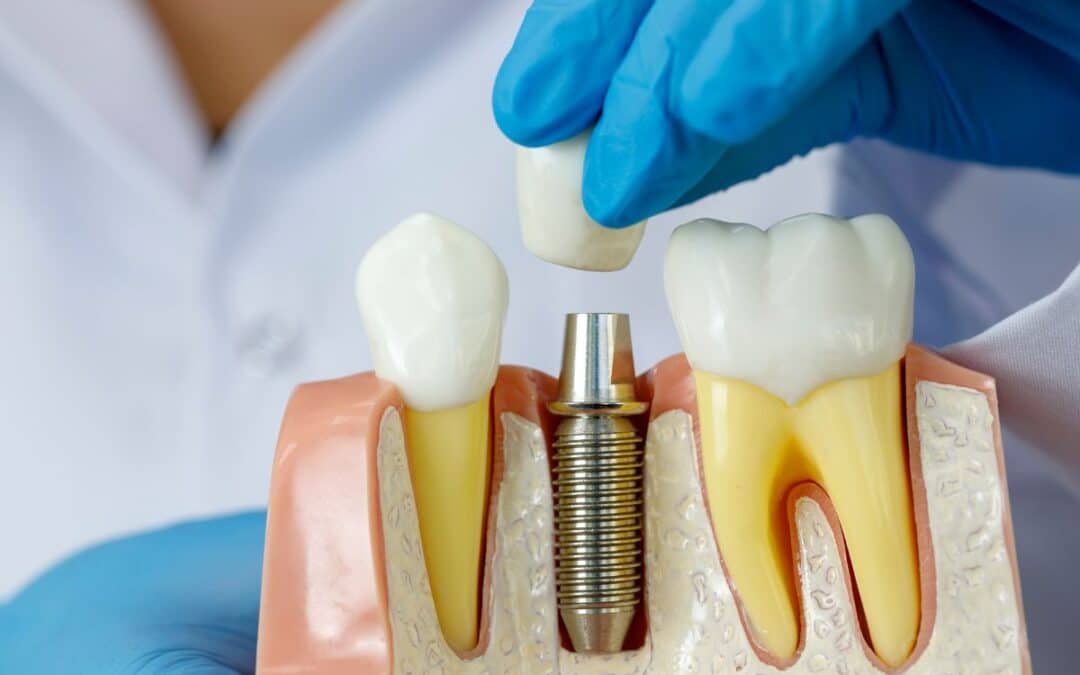
Dental implants are a durable, long-lasting solution for replacing missing teeth, but just like natural teeth, they require proper care to stay in good condition. Maintaining good oral hygiene is essential for preventing complications such as infections or peri-implantitis, a condition that affects the surrounding gums and bones. Cleaning your dental implants properly will help ensure they last for many years to come.
Here’s a guide on how to keep your dental implants clean and healthy.
1. Brush Twice a Day
Brushing your dental implants is just as important as brushing natural teeth. Use a soft-bristled toothbrush to gently clean the surface of the implant crown, paying special attention to the gum line. Plaque and bacteria can build up around the gums, leading to inflammation or infection.
For best results:
- Use a non-abrasive toothpaste to avoid scratching the implant crown.
- Brush for at least two minutes, twice a day, making sure to cover all surfaces of the implant and your other teeth.
2. Floss Daily
Flossing helps remove food particles and plaque that can build up between your implants and natural teeth. Choose dental floss specifically designed for implants, or use unwaxed floss to avoid irritating the gums. You can also use a floss threader to navigate around the implant and reach areas that are harder to clean.
Another option is using a water flosser, which sprays a steady stream of water to clean around the implant and between teeth. Water flossers can be especially helpful for people with multiple implants or those who have difficulty using traditional floss.
3. Use an Interdental Brush
An interdental brush is a small, thin brush that is designed to clean between teeth and around implants. It’s an excellent tool for reaching areas that your toothbrush may miss. These brushes come in various sizes, so choose one that fits comfortably between your implants and teeth without causing discomfort.
Make sure to use the brush gently to avoid damaging the gums or the implant.
4. Rinse with an Antibacterial Mouthwash
Rinsing with an antibacterial mouthwash can help reduce plaque buildup and protect your gums from infection. After brushing and flossing, use a mouthwash that is free of alcohol to avoid drying out your mouth or irritating the gums around your implants.
5. Avoid Smoking and Limit Sugary Foods
While cleaning is essential, maintaining good habits also plays a significant role in the health of your dental implants. Smoking can slow the healing process after implant surgery and increase the risk of gum disease or implant failure. Limiting sugary foods and drinks can also help reduce plaque buildup and lower the risk of gum inflammation.
6. Regular Dental Checkups
Even with diligent at-home care, it’s important to visit your dentist regularly for professional cleanings and checkups. During these appointments, your dentist or dental hygienist will:
- Perform a thorough cleaning around your implants.
- Check for signs of peri-implantitis or other potential issues.
- Monitor the stability of the implant and the condition of the surrounding gums and bone.
Regular dental visits ensure that any problems are caught early before they become serious.
Conclusion
Cleaning your dental implants doesn’t have to be difficult, but it does require consistency. By brushing, flossing, and using the right tools like interdental brushes and mouthwash, you can keep your implants clean and protect your oral health. Combine this with regular dental checkups, and your implants can provide a lifetime of benefits.
If you’re unsure about the best way to care for your dental implants, consult with your dentist for personalized advice.