
When dealing with cavities, many people seek home remedies to avoid the discomfort and cost of a dental visit. One of the more common remedies mentioned is salt water, which is believed to offer relief for various oral issues.
But can it really heal a cavity? In Shreveport, where residents enjoy a close-knit community and a rich cultural heritage, it’s important to consider what truly works for dental health.
Whether you’re enjoying the local festivals or spending time outdoors at spots like the Red River District, maintaining healthy teeth is essential for a bright smile. In this blog, we’ll explore whether salt water can genuinely help with cavities and discuss the most effective dental care options available right here in Shreveport and beyond.
What Are Cavities and Why Do They Form?
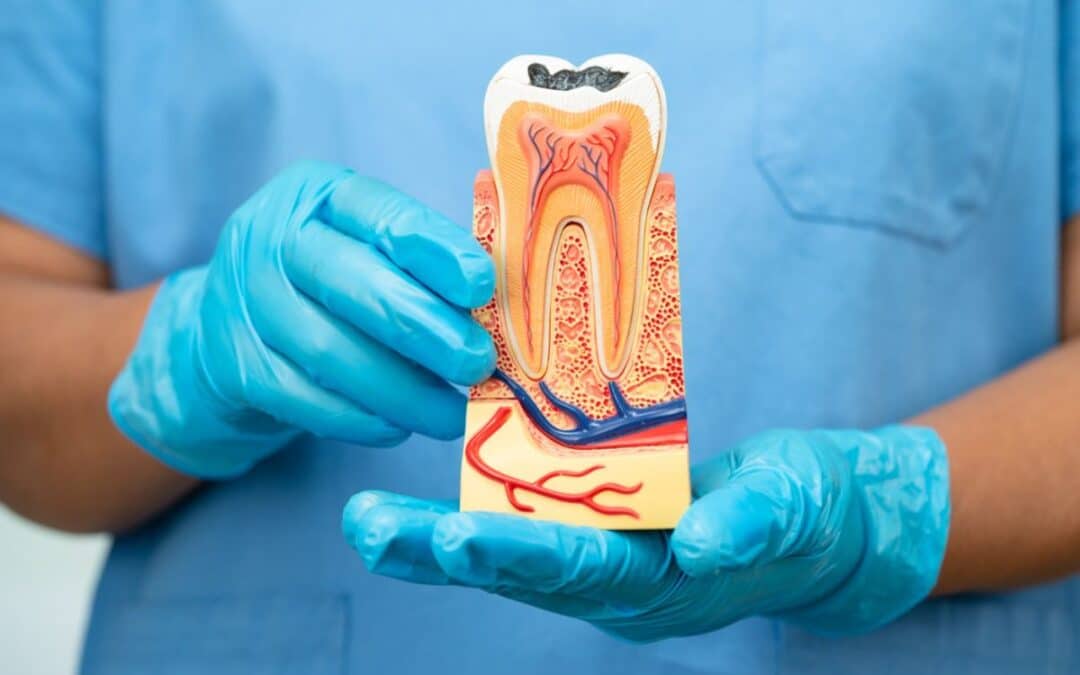
Cavities are areas of tooth decay caused by the buildup of plaque and bacteria. Over time, acids produced by these bacteria erode tooth enamel, eventually forming a hole or cavity. The process is gradual, but once a cavity has formed, it requires professional dental treatment to stop it from worsening.
While it’s common to look for quick home remedies, it’s important to understand that salt water, though helpful in many situations, isn’t a cure for cavities. Salt water can aid in oral hygiene by soothing gum irritation, promoting healing after dental procedures, and reducing inflammation. However, it does not possess the properties required to reverse tooth decay or heal a cavity.
The Benefits of Salt Water for Oral Health
Salt water has long been used for various oral health purposes, and while it doesn’t heal cavities, it can support overall dental health. Here are some of the benefits of saltwater rinses:
- Reduces Inflammation: Salt water helps soothe inflamed gums and mouth tissues. This can be especially beneficial for individuals dealing with gum disease or those recovering from dental procedures.
- Helps with Infection Control: Salt water can reduce the number of harmful bacteria in the mouth, helping prevent infections from worsening. This is particularly useful for those with gum irritation or post-treatment recovery.
- Promotes Healing: If you’ve recently had a dental procedure, salt water can help speed healing by keeping the area clean and free of bacteria.
- Soothes Toothache: While salt water doesn’t treat the cavity itself, it may offer temporary relief for minor tooth pain or discomfort by reducing swelling.
Why Salt Water Isn’t Enough to Treat a Cavity
Salt water can offer temporary comfort, but it does not address the underlying issue of tooth decay. Once a cavity has formed, the damage to the enamel is permanent and cannot be reversed by salt water or any home remedy. One effective way is to visit a dentist for cavity treatment.
When a cavity is left untreated, it continues to progress, potentially causing more severe dental problems, including infections, abscesses, and even tooth loss. That’s why it’s crucial to seek professional care as soon as possible.
When Should You Visit a Dentist for Treating Cavities?
If you suspect a cavity or are experiencing tooth pain, it’s essential to visit a dental professional for a proper diagnosis and treatment. Only a dentist can assess the severity of the decay and recommend the most suitable treatment, such as:
- Fillings: For minor cavities, the affected part of the tooth is removed and replaced with a filling material to restore its shape and function.
- Crowns: If the cavity has significantly weakened the tooth, a crown may be necessary to provide support and protect the tooth from further damage.
- Root Canals: When the decay has reached the inner pulp of the tooth, a root canal may be needed to remove the infected tissue and restore the tooth.
Dental care isn’t just about treating cavities; it’s also about maintaining healthy teeth and gums to prevent future problems. Regular check-ups and cleanings are vital in spotting cavities early and avoiding more extensive treatments down the road.
What You Can Do at Home to Prevent Cavities
While salt water may not heal cavities, there are other ways you can prevent cavities and maintain good oral health at home:
- Brush Regularly: Brush your teeth twice a day with fluoride toothpaste. This helps remove plaque and prevent tooth decay.
- Floss Daily: Flossing removes food particles and plaque between your teeth, where a toothbrush can’t reach.
- Limit Sugary Foods: Reducing your intake of sugary snacks and drinks can help prevent plaque buildup, which can lead to cavities.
- Stay Hydrated: Drinking water helps wash away food particles and bacteria that can contribute to tooth decay.
- Use Mouthwash: An antibacterial mouthwash can help reduce plaque buildup and protect against cavities.
Visit a Nearby Dental Office for Comprehensive Cavity Treatment
If you’re dealing with a cavity, the best course of action is to visit a local dental office for professional treatment. A dentist will evaluate the extent of the damage and provide a personalized treatment plan to restore your smile. In addition to cavity treatment, the specialists offer comprehensive dental care services to help you maintain healthy teeth and gums for years to come.
Whether you need a simple filling or a more complex procedure, the dental team provides the highest level of care in a comfortable and welcoming environment. Don’t wait, take action to protect your smile today.
Schedule An Appointment for Cavity Treatment At Dr. Chris A Mott DDS
If you suspect you have a cavity or are experiencing tooth pain, don’t hesitate to book an appointment. Early treatment is key to preventing further complications. Visit us at our Shreveport dental office for expert care, and let us help you keep your teeth healthy and strong.
FAQs
1. Can salt water heal a cavity?
No, salt water cannot heal a cavity. While it can help soothe gums and promote oral hygiene, it does not reverse the damage caused by tooth decay. Professional dental treatment is necessary to fix cavities.
2. How does salt water help with tooth pain?
Salt water can temporarily relieve tooth pain by reducing inflammation and soothing irritated gums. However, it doesn’t address the underlying cause of the pain, which is often a cavity or infection.
3. Can salt water prevent cavities?
Salt water is not a preventive measure for cavities. The best way to prevent cavities is through regular brushing, flossing, and professional dental cleanings.
4. What should I do if I have a cavity?
If you suspect you have a cavity, it’s essential to visit a dentist for proper treatment. Depending on the severity of the decay, treatment may include fillings, crowns, or a root canal.
5. How often should I visit the dentist for check-ups?
It’s recommended to visit the dentist at least twice a year for routine check-ups and cleanings. Regular visits help catch cavities early and maintain overall oral health.