
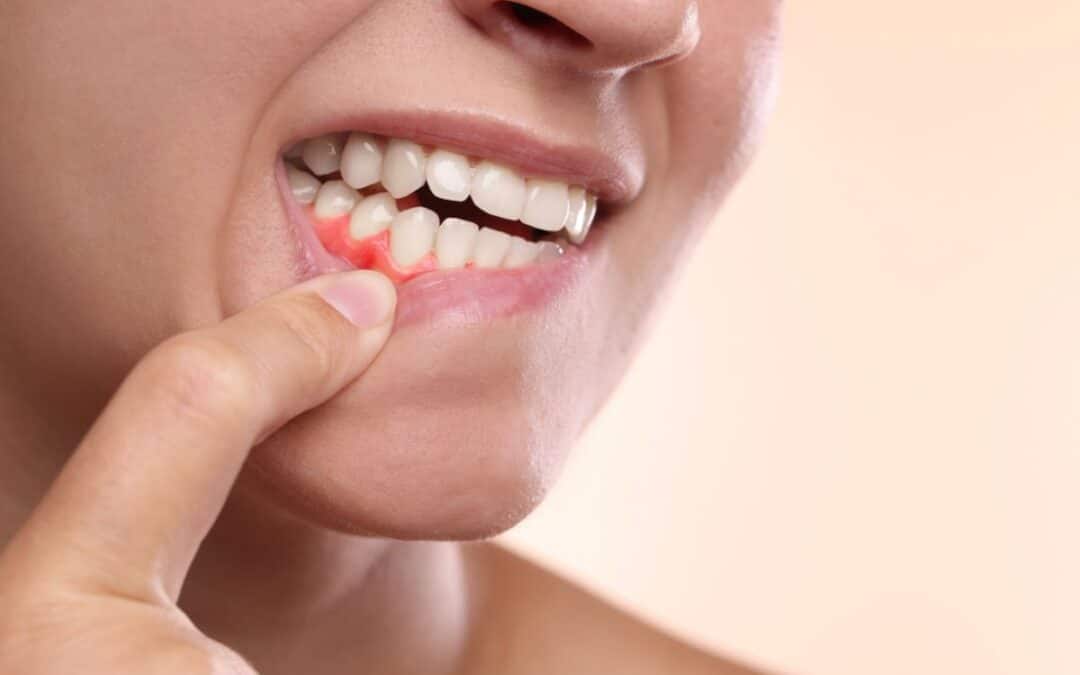
It usually starts small. A little tenderness when you brush. Maybe slight bleeding that you tell yourself will go away on its own. Most people ignore it at first because it does not seem serious.
But here’s what many do not realize. That early irritation is often your first warning sign. What feels minor today can quietly become more uncomfortable and harder to manage if the right steps are not taken early. In a place like Shreveport, where daily routines, food habits, and even the weather can affect your oral health, knowing how to respond quickly can make a real difference. The right approach can bring relief faster. The wrong one can keep you stuck dealing with the same problem for weeks.
Why Do Your Gums Swell In The First Place?
Most people assume irritation around the teeth is random. It is not. It usually comes down to a buildup of bacteria along the gumline. This can happen due to:
- Inconsistent brushing or flossing
- Food particles stuck between teeth
- Dry mouth caused by heat or dehydration
- Smoking or tobacco use
- Stress that affects your immune response
In this city, warm weather and outdoor gatherings, especially around places like the Red River District, often lead to more sugary drinks and quick snacks throughout the day. These habits may seem harmless, but they can quietly increase the risk of irritation when oral hygiene routines are not consistent.
What Is The Fastest Way To Start Healing At Home?
If the issue is mild, try these home remedies to see a noticeable difference within a few days. Start with simple but effective steps:
- Brush twice a day, gently using a soft-bristle toothbrush
- Rinse with warm salt water to reduce bacteria
- Floss carefully to remove debris between teeth
- Stay hydrated throughout the day
- Avoid very spicy or acidic foods for a few days
Consistency matters more than intensity. However, if you notice no change, visit a dentist for a proper intervention. They will help to spot the root cause and recommend effective treatment.
When Do Swollen Gums Mean Something Serious?
Not every case improves with home care. Some signs indicate a deeper issue that needs attention. Watch for:
- Persistent swelling that lasts more than a few days
- Pain that increases instead of improving
- Bleeding that happens frequently
- A bad taste that does not go away
- Loose teeth or sensitivity when chewing
These symptoms may point to infection or early-stage periodontal disease. Waiting longer in these situations often makes the condition harder to reverse.
Can Professional Dental Care Treat Inflamed Gums?
Yes, and in many cases, it is the fastest way to resolve the gingival inflammation completely. Professional oral care focuses on removing the buildup that brushing alone cannot reach. This includes plaque and hardened deposits below the gumline. A dentist may recommend:
- A deep cleaning to remove bacteria buildup
- Targeted antimicrobial rinses
- Guidance on improving your daily routine
- Monitoring for early signs of gum disease
If you have been dealing with discomfort for more than a few days, it is worth taking the next step and seeking proper treatment before it progresses.
How Does Lifestyle In Shreveport Affect Healing?
Daily habits and environment play a bigger role than most people realize. In this city, long summers and outdoor activities can lead to dehydration. When your mouth is dry, bacteria multiply faster. That slows down healing. Local food culture also matters. Rich and flavorful dishes are part of life here, but frequent exposure to sugary or starchy foods can increase irritation if oral hygiene is not consistent. Balancing these habits with proper care helps your mouth recover faster and stay healthy longer.
What Foods Help Gum Inflammation Heal Faster?
Nutrition plays a direct role in how quickly your body recovers. Focus on foods that support healing:
- Leafy greens are rich in vitamins
- Dairy products that strengthen enamel
- Foods high in vitamin C, like oranges and strawberries
- Lean proteins that support tissue repair
Avoid crunchy or hard foods temporarily if your gums feel sensitive. Giving your mouth a break can speed up recovery.
Ways To Prevent Puffy Gums From Coming Back?
Yes, and prevention is often simpler than a dental treatment. Focus on:
- Brushing with proper technique, not just speed
- Flossing daily without skipping
- Drinking water after meals
- Scheduling regular cleanings
- Addressing early symptoms instead of waiting
Prevention is not about perfection. It is about staying consistent with small habits that protect your oral health over time.
Is Antibacterial Mouthwash Useful?
Antibacterial mouthwash can be a helpful addition to your routine, especially when dealing with gum irritation. It reaches areas that brushing and flossing may miss, helping reduce bacteria levels. Using a rinse for bacterial plaque control can support healing by keeping your mouth cleaner throughout the day. However, it should always be used alongside proper brushing and flossing, not as a replacement for them.
Can Gum Problems Affect Your Overall Health?
Gum health is closely connected to your overall health. When inflammation is left untreated, bacteria can enter the bloodstream and affect other parts of the body. Research has shown links between gum disease and conditions like heart disease and diabetes. This highlights the importance of maintaining the connection between oral and systemic health. Taking care of your gums is not just about your smile; it is about protecting your long-term health as well.
When Should You Stop Waiting And Get Help?
If you have tried home care and nothing is improving, that is your sign. Delaying professional attention often turns a manageable issue into something more complex. Acting early gives you more options and better outcomes. If you are unsure what to do next, it may be time to visit our dental office in Shreveport for a clear answer rather than guessing.
How Fast Should You Expect Improvement?
With proper care, mild gum inflammation often improves within a few days. More advanced cases may take a few weeks, especially if professional cleaning is needed. The key is consistency. Healing will not happen overnight, but steady improvement is a good sign that you are on the right track.
Ready For Real Relief That Lasts?
If your gums are still inflamed or something just doesn’t feel right, this is your sign to stop waiting. These issues rarely resolve on their own, and delaying care can make things more complicated.
Here in Shreveport, Dr. Chris A Mott DDS, focuses on finding the cause early and helping you feel comfortable from the start. You’ll get clear answers, a practical plan, and care that fits your needs without pressure. You deserve to go through your day without discomfort holding you back. Call today at 318-553-5993 to book an appointment with Dr. Chris A. Mott, DDS. Let’s take care of it now and help you feel better sooner.
Frequently Asked Questions
1. How long does it take for swollen gums to heal completely?
Mild gum inflammation can improve within a few days with proper hygiene. However, deeper infections may take weeks to resolve and require professional cleaning to prevent recurrence.
2. Are swollen gums a sign of infection or something minor?
They can indicate early irritation or a developing infection beneath the gumline. Persistent swelling, especially with bleeding or pain, often indicates a condition that requires professional evaluation.
3. Can poor brushing habits cause gum swelling even if I brush daily?
Yes, brushing technique matters more than frequency alone. Aggressive brushing or missing areas allows bacteria to accumulate, which can trigger inflammation despite brushing every day.
4. What foods should I avoid when my gums are inflamed?
Avoid hard, spicy, or acidic foods that can irritate sensitive tissue. Soft, nutrient-rich foods are better as they support healing without adding pressure or discomfort.
5. Can gum swelling lead to tooth loss if left untreated?
Yes, untreated inflammation can progress to advanced gum disease, affecting the supporting structures of teeth. Over time, this can weaken stability and increase the risk of tooth loss.