
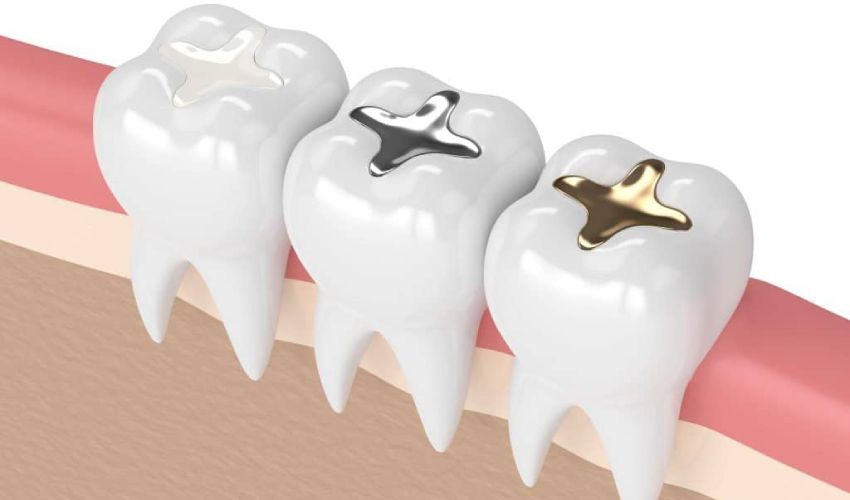
Getting a dental filling is a common procedure used to restore teeth affected by cavities. While the process itself is straightforward, what you do after the procedure is just as important for ensuring proper healing and long-term dental health. Here’s a guide on what to do—and what to avoid—after getting a dental filling.
What to Do After a Dental Filling
1. Follow Your Dentist’s Instructions
Your dentist will give you specific care instructions after your dental filling. This may include how long to wait before eating, what foods to avoid, and any medications you should take. Be sure to follow these guidelines closely to promote proper healing.
2. Wait Before Eating
After your filling, your mouth may still be numb from the anesthesia. It’s crucial to wait until the numbness wears off before eating to avoid accidentally biting your tongue, cheeks, or lips. This can take a couple of hours, so be patient.
3. Eat Soft Foods Initially
Once you’re ready to eat, opt for soft foods that are gentle on your teeth. Foods like soup, yogurt, and scrambled eggs are good choices. Chewing too hard on a newly filled tooth could cause discomfort or damage the filling.
4. Maintain Good Oral Hygiene
Even after getting a filling, it’s important to continue practicing good oral hygiene. Brush and floss regularly to prevent future cavities and keep your teeth in top shape. Be gentle around the area with the filling, especially in the first 24 hours.
5. Monitor for Sensitivity
Some sensitivity to hot, cold, or pressure is normal after a filling. This usually subsides within a few days. However, if sensitivity persists or worsens, contact your dentist, as it may indicate a problem with the filling.
What to Avoid After a Dental Filling
1. Avoid Hard or Sticky Foods
For at least 24 hours after the procedure, steer clear of hard or sticky foods like candy, gum, or tough meats. These foods can dislodge or crack the filling, especially if it’s still settling.
2. Don’t Chew on the Filled Side Right Away
If possible, avoid chewing on the side of your mouth that received the filling for the first few hours. This helps reduce the pressure on the new filling and allows it to set properly.
3. Avoid Hot or Cold Beverages
Sensitivity to temperature changes is common after filling. To minimize discomfort, avoid very hot or cold beverages for at least a few days. Opt for warm drinks instead.
4. Don’t Skip Your Follow-Up Appointment
In some cases, your dentist may ask you to come back for a follow-up appointment, especially if your filling is deep or if you’re still experiencing discomfort. Skipping this visit could lead to complications going unnoticed, so it’s important to attend.
5. Avoid Grinding or Clenching Your Teeth
If you have a habit of grinding or clenching your teeth, it can damage the filling. Talk to your dentist about getting a mouthguard to protect your teeth, especially if you grind your teeth at night.
When to Contact Your Dentist
While some discomfort is normal, you should contact your dentist if you experience any of the following after your filling:
- Severe pain that doesn’t go away
- Cracks or chips in the filling
- Sensitivity that lasts more than a week
- A feeling that the filling is too high or uneven
Conclusion
Taking care of your dental filling is essential for ensuring its longevity and preventing further dental issues. By following your dentist’s advice and avoiding hard or sticky foods, you can help the filling settle and heal properly. If any complications arise, don’t hesitate to contact our dentist for further evaluation.