
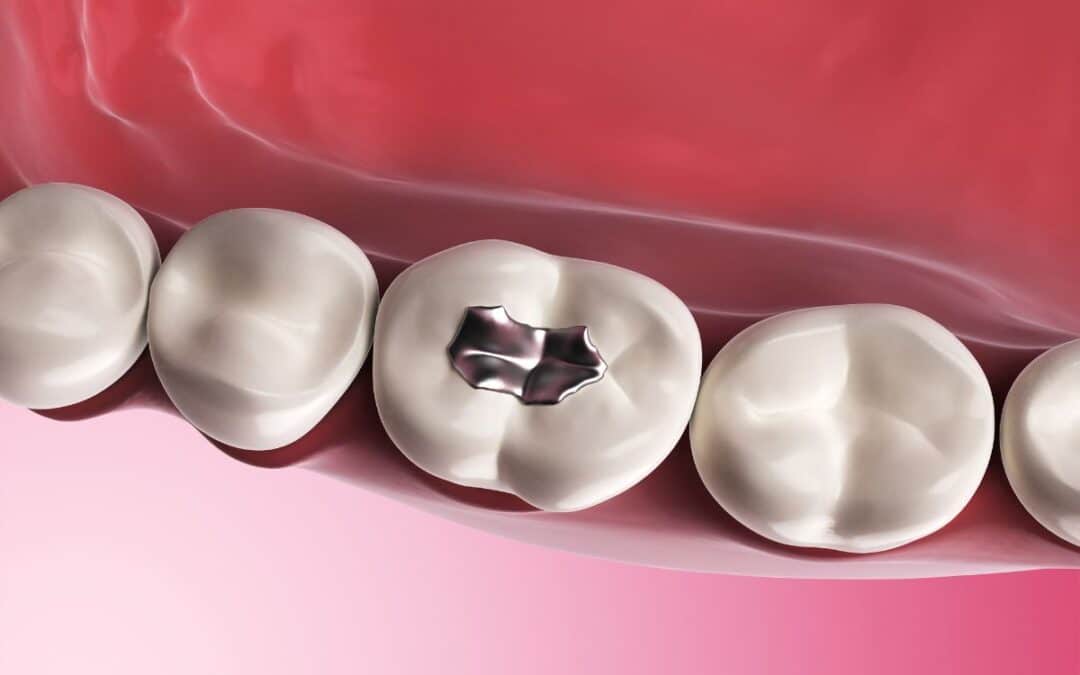
When it comes to dental health, fillings play a crucial role in restoring teeth affected by decay or damage. With various options available, choosing the right filling material can be overwhelming. Each type of filling has its benefits and drawbacks, making it essential to understand your options. Here’s a closer look at the most popular tooth-filling materials: gold, amalgam (silver), porcelain, and composite (plastic) resins.
What is Tooth Filling?
1. Gold Fillings
Gold fillings are a time-tested option that has been used for over a century. Made from a gold alloy, these fillings are highly durable and resistant to wear, making them an excellent choice for molars or areas that endure significant chewing pressure.
Advantages:
- Longevity: Gold fillings can last 10-15 years or more with proper care.
- Strength: They can withstand heavy chewing forces without cracking or breaking.
- Biocompatibility: Gold is well-tolerated by the body and unlikely to cause allergic reactions.
Disadvantages:
- Cost: Gold fillings tend to be more expensive than other materials.
- Aesthetics: Their metallic color makes them less appealing for visible teeth.
2. Amalgam Fillings (Silver)
Amalgam fillings are composed of a mixture of metals, including silver, mercury, tin, and copper. They have been widely used for decades due to their strength and durability.
Advantages:
- Durability: Amalgam fillings are known for their strength and longevity, often lasting 10–15 years.
- Cost-effective: They are generally less expensive than gold or porcelain fillings.
- Resistance to wear: Amalgam is highly resistant to wear and is ideal for back teeth that endure heavy chewing.
Disadvantages:
- Aesthetics: The silver color makes them less desirable for visible areas.
- Mercury content: Some patients are concerned about the use of mercury in amalgam fillings, although studies have shown they are safe for most people.
3. Porcelain Fillings
Porcelain fillings, also known as inlays or onlays, are custom-made ceramic restorations that provide a natural appearance. They are often used for larger cavities or when aesthetics are a priority.
Advantages:
- Natural appearance: Porcelain can be color-matched to your natural teeth, providing a seamless look.
- Stain resistance: Porcelain is resistant to staining and discoloration.
- Durability: These fillings can last 10-15 years or more when properly cared for.
Disadvantages:
- Cost: Porcelain fillings are typically more expensive than amalgam and composite options.
- Brittleness: While strong, porcelain can chip or crack under extreme pressure.
4. Composite (Plastic) Resins
Composite fillings are made from a blend of plastic and fine glass particles, offering a versatile option for dental restorations. They are widely used for both front and back teeth due to their aesthetic appeal.
Advantages:
- Aesthetics: Composite fillings can be customized to match the color of your natural teeth, making them ideal for visible areas.
- Bonding: They bond directly to the tooth structure, providing added strength and support.
- Minimally invasive: Less tooth structure is removed compared to some other filling types.
Disadvantages:
- Durability: While they can last 5-10 years, composite fillings may not be as long-lasting as gold or amalgam.
- Cost: They are generally more expensive than amalgam fillings.
Making the Right Choice
Choosing the right filling material depends on various factors, including the location of the filling, your budget, and aesthetic preferences. Consulting with our dentist can help you understand which option best suits your specific needs.
The most popular tooth fillings—gold, amalgam, porcelain, and composite resins—each have their unique benefits and considerations. By weighing these factors, you can make an informed decision that supports your dental health and enhances your smile.