
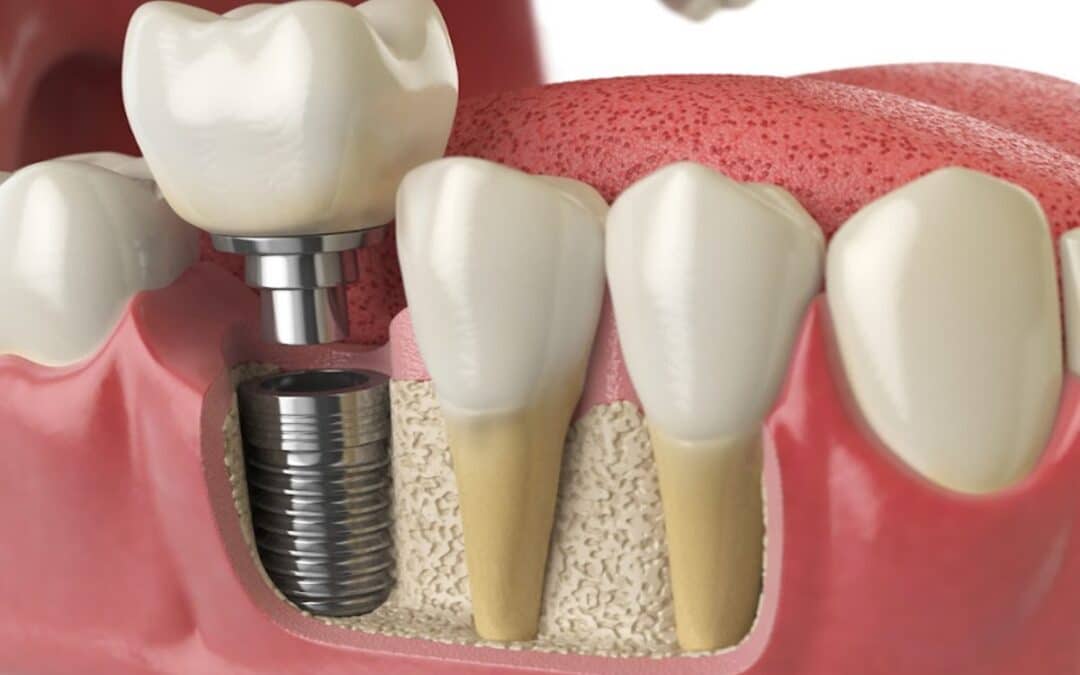
Dental implants are made to function like natural teeth – strong, fixed, and reliable. So, when one starts to feel unstable, it immediately raises concern. Is it just a minor issue with the crown or something more serious beneath the surface? This blog addresses a crucial question that many patients face: Is a loose dental implant truly an emergency, or can it wait? By the end, you will understand the risks, what is considered urgent, and what steps to take if this happens to you.
The Clinical Implications Of A Loose Dental Implant
When a dental implant becomes loose, it is never something to dismiss. Unlike natural teeth, which can be slightly mobile due to periodontal ligaments, implants are anchored directly into the jawbone. This means any movement indicates a structural problem, either biological, mechanical, or both. Even in the absence of pain, a loose fixture suggests that part of the restoration has failed or is at risk of failing.
This movement can originate from one of three areas: the implant fixture (the titanium post), the abutment (the connector), or the prosthetic crown. Each has its own set of implications, but only a detailed clinical exam can identify the exact source and severity.
If you are in this situation, it is recommended that you see an emergency dentist in Shreveport. They can assess whether the integrity of the implant can be preserved.
When Does A Loose Implant Signal A Dental Emergency?
The term “emergency” in dentistry does not always refer to pain. It relates to urgency, especially when delays in treatment could lead to irreversible damage. A loose implant qualifies as an emergency in several key scenarios:
- Mobility Of The Entire Implant Post: This typically indicates failed osseointegration or bone loss, which requires immediate clinical intervention.
- Signs Of Infection: Redness, swelling, pus discharge, or a foul taste may indicate peri-implantitis, which can rapidly destroy surrounding tissue.
- Sudden Onset Of Symptoms: If the implant was previously stable and suddenly begins to shift or hurt, this may suggest trauma, occlusal overload, or acute infection.
In these cases, time-sensitive care is essential. Waiting may mean the difference between a conservative repair and complete implant failure.
Differentiating Between Mechanical And Biological Failures
Not every loose implant results from biological complications. In many cases, the problem is mechanical. The abutment screw might have loosened, or the crown could be damaged. These are less urgent and more repairable, often resolved with a minor adjustment or component replacement.
However, biological failure, typically from bone resorption, infection, or compromised healing, requires a different level of intervention. This can include:
- Removal of the implant if it has completely failed.
- Surgical debridement if infection is present.
- Bone grafting to restore lost structure.
- Replacement only after adequate healing.
Distinguishing between the two conditions is impossible without a professional exam. Even minor mobility issues must be considered serious.
The Importance Of Timely Professional Evaluation
One of the patients’ major mistakes is assuming that the absence of pain means the issue can wait. This is not the case with implants. Pain is often a late-stage symptom, especially in chronic infections like peri-implantitis. In fact, most implant failures begin silently, with slight movement, minor gum changes, or increased sensitivity.
Timely evaluation allows an emergency dentist in Shreveport to:
- Identify the underlying cause.
- Determine if the implant is salvageable.
- Prevent further tissue damage.
- Plan restorative procedures if necessary.
By visiting our dental office at the first sign of implant mobility, you dramatically increase the chances of saving your implant and avoiding more invasive treatment.
Post-Emergency Management And Long-Term Implant Success
Maintaining implant health becomes critical after emergency care. Following clinical stabilization or replacement, your provider may adjust your oral hygiene plan, review biting forces, or recommend periodic imaging. Continued monitoring helps catch early signs of trouble before they escalate.
For long-term success, patients must also be proactive in maintaining:
- Consistent oral hygiene routines.
- Regular dental visits for exams and cleanings.
- Awareness of habits like teeth grinding or biting on hard objects.
Preventive care protects the implant and the investment you have made in your oral health.
Don’t Ignore The Warning Signs Of A Loose Implant
Any movement in a dental implant, no matter how subtle, should be evaluated without delay. A loose implant often signals a deeper issue that will not resolve. Whether it is a minor mechanical fault or a sign of biological failure, prompt professional attention can help preserve your implant and protect your long-term oral health. We strongly recommend you book an appointment with our experienced team for a precise diagnosis and tailored treatment plan. Let us help you restore stability and confidence under our care before your oral health is compromised.