
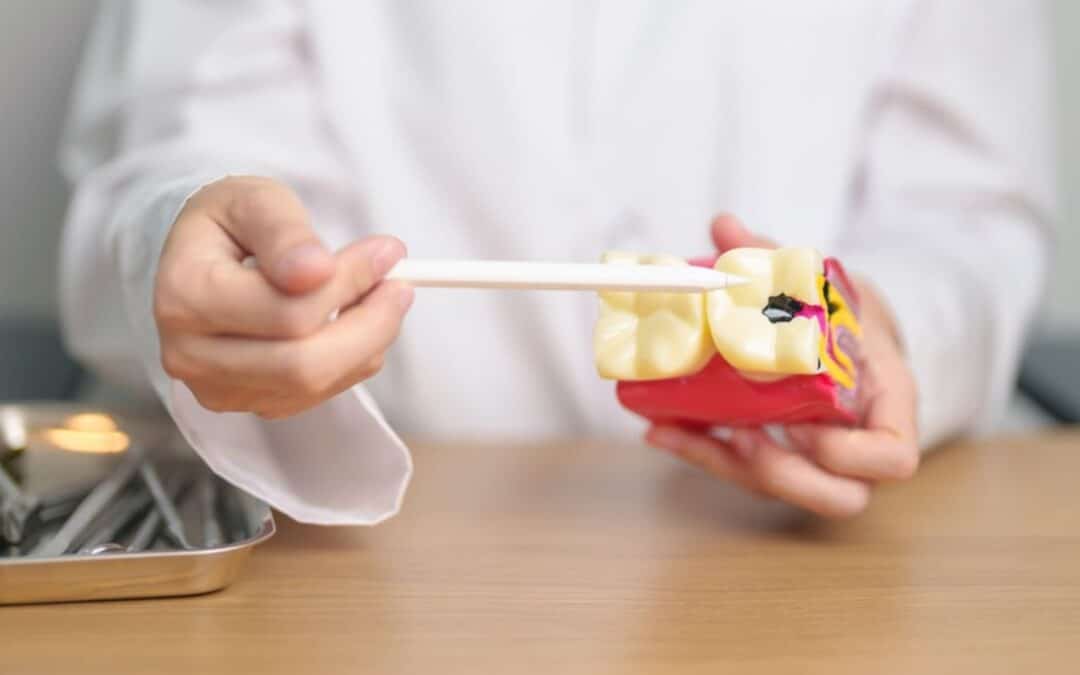
Cavities are a common dental problem that can happen to anyone. If left untreated, they can cause pain, infections, and even tooth loss. But can a cavity spread from one tooth to another? Understanding how cavities form and whether they can affect nearby teeth is important for keeping your mouth healthy. In this blog, we’ll explain what causes cavities, how they might impact other teeth, and how you can prevent them.
What Causes Cavities?
Cavities happen when bacteria in your mouth produce acids that wear down the enamel, the hard outer layer of your teeth. These bacteria feed on sugars and starches from food and drinks. If plaque and tartar build-up, it gives bacteria more chances to create cavities.
Here are some common reasons cavities develop:
- Not brushing or flossing properly – If you don’t clean your teeth well, plaque builds up and leads to cavities.
- Eating too many sugary or acidic foods and drinks – These can weaken enamel and allow bacteria to thrive.
- Dry mouth – Saliva helps wash away food and bacteria, so having less saliva increases your risk of cavities.
- Genetics – Some people naturally have weaker enamel, making them more prone to cavities.
- Certain medications or medical conditions – Some medicines and health problems can reduce saliva, making teeth more vulnerable to decay.
Can Cavities Spread to Other Teeth?
A cavity itself doesn’t jump from one tooth to another like an infection, but the bacteria that cause cavities can spread in your mouth. This increases the chances of cavities forming on other teeth. Here’s how it happens:
1. Bacteria Move Around in Your Mouth
The bacteria responsible for cavities are always present in your mouth. If one tooth has a lot of harmful bacteria, they can spread to other areas, increasing the risk of new cavities.
2. Poor Dental Care Can Make Things Worse
If you don’t brush and floss well, bacteria and plaque can build up in one spot and then spread to nearby teeth, leading to more decay.
3. A Decayed Tooth Can Affect Nearby Teeth
A damaged or decayed tooth may change how you bite, putting extra pressure on nearby teeth. This can make them more likely to develop cracks or cavities.
4. Sharing Saliva Can Spread Cavity-Causing Bacteria
Even though cavities don’t spread like the flu, the bacteria that cause them can transfer through saliva. Sharing food, drinks, or even kissing can spread these bacteria to someone else’s mouth, increasing their risk of cavities.
Signs That a Cavity Might Be Affecting Other Teeth
If you have a cavity, watch for these signs that other teeth may also be at risk:
- Sensitivity to hot, cold, or sweet foods.
- Pain in multiple teeth.
- Dark spots or holes in nearby teeth.
- Bad breath or a bad taste in your mouth.
- Swollen or bleeding gums near the problem tooth.
If you notice these symptoms, it’s important to visit a dentist right away. They can check your teeth and help prevent further damage.
How to Prevent Cavities from Spreading
Cavities are common, but they are also easy to prevent. Here are some ways to keep them from affecting more teeth:
1. Brush and Floss Every Day
Brushing twice a day with fluoride toothpaste and flossing daily can remove bacteria and prevent plaque buildup.
2. Visit Your Dentist Regularly
Going for regular dental checkups and cleanings is important. A dentist can catch cavities early and clean areas you might miss at home. If you’re worried about cavities, visit our dental office for expert care.
3. Cut Back on Sugary and Acidic Foods
Foods and drinks high in sugar and acid weaken enamel. Reducing soda, candy, and other sweets can help keep your teeth strong.
4. Use Fluoride and Dental Sealants
Fluoride helps strengthen enamel, while sealants provide a protective coating over teeth to prevent cavities. Your dentist can recommend these treatments if needed.
5. Replace Badly Damaged Teeth
If you have a severely decayed tooth, fixing it with a filling, crown, or implant can stop bacteria from spreading and protect nearby teeth.
6. Drink Plenty of Water
Water helps rinse away food particles and bacteria. If you have a dry mouth, chewing sugar-free gum or using a saliva substitute can help.
7. Don’t Share Toothbrushes or Eating Utensils
Avoid sharing toothbrushes or eating from the same utensils to reduce the spread of bacteria that cause cavities.
How Dentists Treat Cavities
If a cavity is caught early, it can be treated with simple dental procedures. If left untreated, more advanced treatment may be needed. Here are some common treatments:
- Fillings – Used to fix small cavities before they get worse.
- Crowns – A cap placed over a damaged tooth to protect it.
- Root canals – If decay reaches the inner tooth, a root canal removes the infection and saves the tooth.
- Tooth extractions – If a tooth is too damaged to be saved, removing it may be the best option to prevent more problems.
If you think you have a cavity, don’t wait. A dentist can check your teeth and recommend the best treatment for you.
Final Thoughts
While cavities don’t spread from tooth to tooth like an infection, the bacteria that cause them can move around your mouth and create more cavities. Good oral hygiene, regular dental visits, and healthy habits can prevent cavities from worsening.
If you have a cavity or are experiencing tooth pain, don’t wait for it to get worse. Schedule an appointment with Dr. Chris A Mott for a checkup and treatment to keep your smile healthy and bright.